
Automation Turned the Brain Off
🙃 When speed replaces strategic visibility, TikTok tightens ad identity and planning for 2026, and more!


Howdy readers 🥰
In this newsletter, you’ll find:
🙃 Automation Turned the Brain Off
🔔 TikTok tightens ad identity and planning for 2026
🏆 Ad of the Day
If you’re new to ScaleUP, then a hearty welcome! You and 50k+ CEOs, CMOS, and marketers have reached the right place. Let’s get into it, shall we? Oh! Before you forget, if someone forwarded this newsletter to you, don't forget to subscribe to our newsletter so you never miss out!
Together with Shipfusion
Fulfillment Is Where Customer Loyalty Is Won or Lost
Think your fulfillment is fine? So did the 5 clear protein powder brands Shipfusion audited.
Most brands think churn shows up months later. It doesn’t. It starts right after checkout.
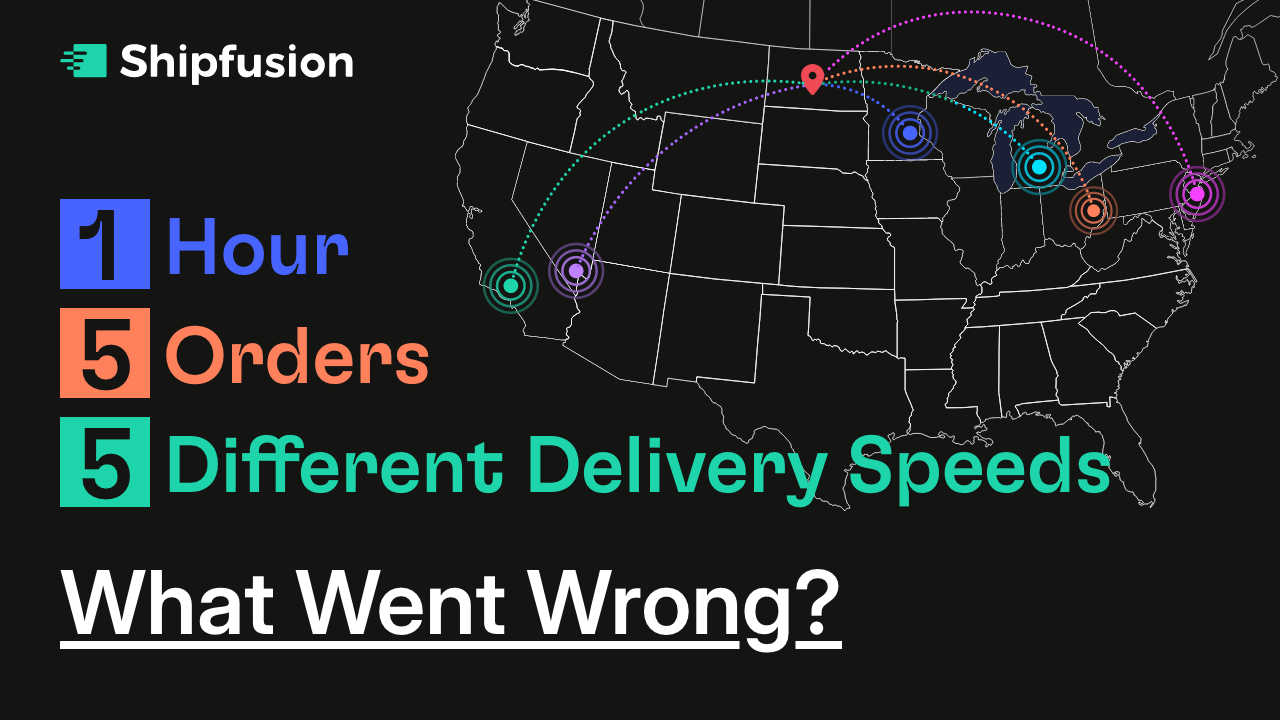
Shipfusion ordered from 5 leading clear protein brands within the same hour. Same cart moment. Completely different delivery outcomes. What broke trust wasn’t the product; it was fulfillment.
This report exposed where brands quietly lose customers:
- How post-checkout fulfillment gaps cause churn before marketing gets a second chance
- Why fulfillment accuracy matters more than speed
- How split shipments confuse customers and inflate support tickets
One order travelled over 2,000 miles, 57% farther than average, adding days and cost that never needed to exist. In habit-forming categories, those delays determine whether customers reorder or disappear.
Whether you’re confident in your customer experience or want a reality check, this report shows how your brand compares.
Download the DTC Delivery Files today!
While rooted in clear protein, these insights apply across supplements, wellness, CPG, and every DTC category.
🙃 Automation Turned the Brain Off
Speed did not kill strategy. Default decisions did.
The most dangerous shift in modern advertising is not creative fatigue or rising CPMs. It is cognitive compression. Campaigns now launch instantly. Structures materialize automatically. Ads go live with minimal human judgment. What looks like efficiency is actually decision-making being silently outsourced.
When systems auto-generate campaigns, they do more than save time. They compress strategy into assumptions. Intent gets guessed. Structure gets inferred. Boundaries disappear. Strategy collapses into defaults.
That is the Strategy Compression Problem.
To prevent it, you need something most accounts lack: a Control Layer.
A Control Layer is the set of decisions automation is not allowed to make for you.
In a manual world, this existed naturally. Someone had to decide the funnel stages. Someone had to define what qualified as intent. Someone had to choose which messages belonged where and why. Those choices created friction, but they also created clarity.
Automation removes friction. It also removes enforced thinking.
Without constraints, systems optimize toward whatever is easiest to scale. Fast conversions replace qualified intent. Generic messaging replaces differentiation. Performance looks stable, but learning becomes shallow and fragile.
This is why accounts converge. Not because creativity disappears, but because boundaries do.
The one question that exposes compression
Ask this in any senior review:
“Which strategic decisions in this account are defaults, and which are explicitly defined by us?”
If the answer is unclear, strategy has already been compressed.
This is where most teams struggle. Strategic signals live across search demand, competitive movement, messaging overlap, and performance data, but they are scattered across tools. When no one sees the whole system at once, defaults win by necessity.
This is where Semrush One becomes structurally useful.
By unifying search intelligence, competitive context, and performance signals into a single environment, it restores upstream visibility.
You can define intent layers, messaging boundaries, and demand priorities before automation executes. Strategy stops being inferred and starts being constrained. You can start your 7-day free trial here!
You should not fight automation. You should decide where it is allowed to think.
Use systems to execute inside constraints, not replace judgment. Scale decisions, not guesses. Protect the parts of the system where differentiation lives.
The brands that win will not be the fastest. They will be the hardest to average.
Because once strategy collapses into defaults, expanding it again is expensive. And by the time performance reveals the damage, the account usually already looks like everyone else’s.
This is not a performance problem. It is a control problem.
🔔 TikTok tightens ad identity and planning for 2026
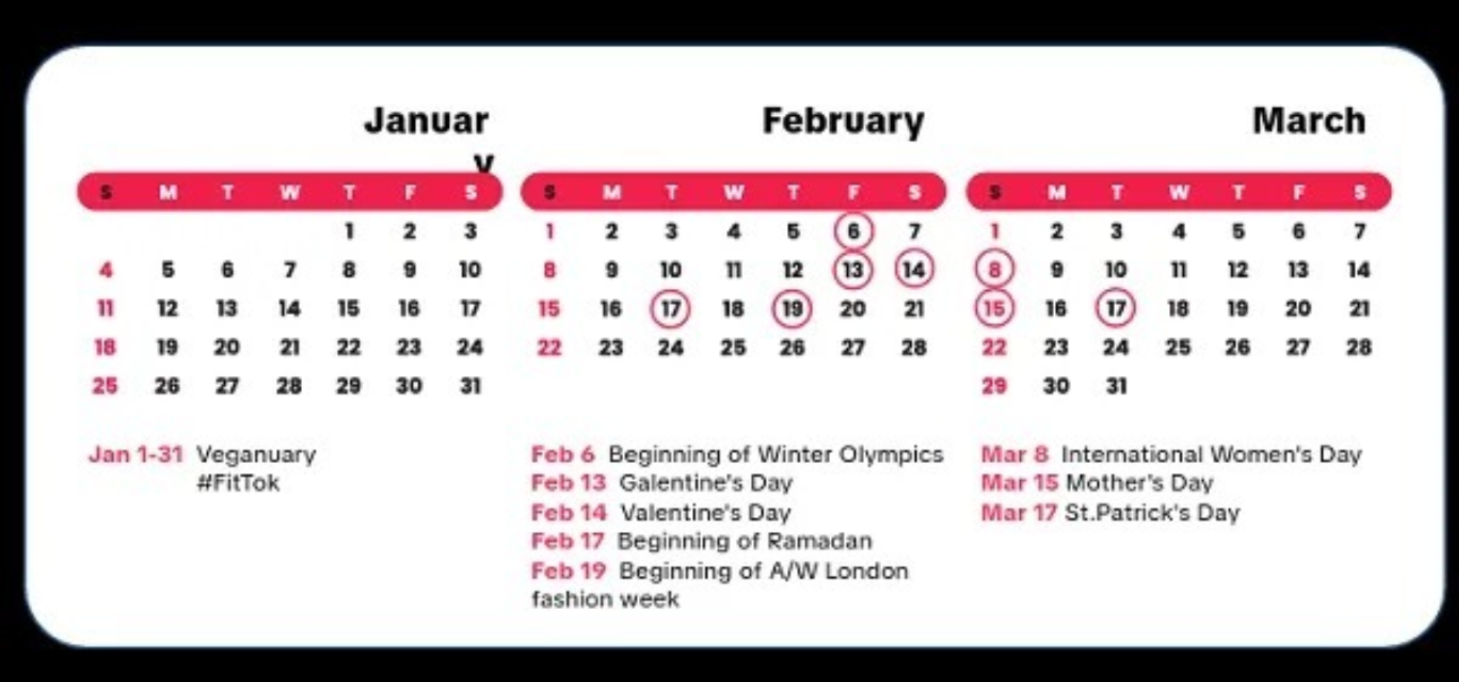
TikTok is rolling out two important changes for advertisers in 2026: new regional marketing calendars and the phase-out of Custom Identity ads. Custom Identity has already been removed for some advertisers, with a full switch required by early 2026.
The Breakdown:
1. Verified ad identities become mandatory - TikTok is ending Custom Identity ads, meaning all advertisers must run ads from verified TikTok profiles. Backend tests show 59.3% of advertisers saw at least a 10% CPA drop after linking accounts.
TikTok’s F.I.R.S.T framework helps advertisers set up verified, fully linked accounts correctly, covering organization setup, account linking, access roles, Spark Ads activation, and performance tracking.
2. Regional Event Calendars - TikTok released region-specific marketing calendars highlighting major moments like Valentine’s Day, summer holidays, and Black Friday. The calendars map cultural moments to recommended ad tools and objectives.
Each calendar is tailored by region to reflect local events and seasonal behavior. Calendars are available via download with an email sign-up.
Together, these updates push TikTok toward more structured, transparent advertising. The regional calendars are now live for 2026 and require an email sign-up to download, while account-linked ads become the default as Custom Identity continues disappearing.
🏆 Ad of the Day
What Works:
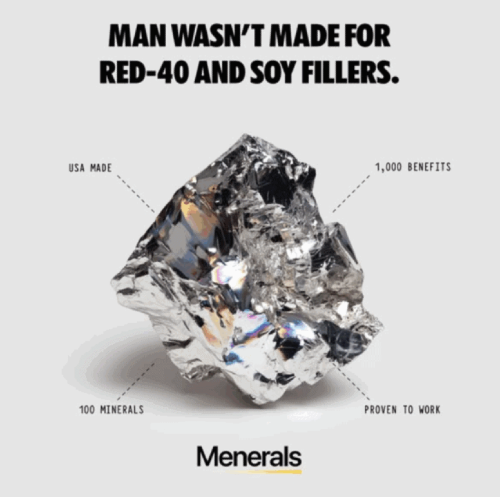
1. Awareness Level: This is problem-aware moving into solution-aware. The buyer already distrusts processed supplements, this ad gives them a clear villain and a cleaner alternative.
2. Psychological Hook: Shared enemy energy. It takes a strong stance against additives modern men already resent, which creates instant alignment instead of trying to persuade gently.
3. Strategic Role: Category framing. This ad isn’t closing the sale, it’s defining what “good” vs “bad” supplements look like so Menerals feels like the obvious side.
If your audience is already annoyed, don’t soften it. Say the thing they agree with but don’t hear brands say, then back it up with simple proof.
Advertise with Us
Wanna put out your message in front of over 50,000 best marketers and decision makers?
We are concerned about everything DTC and its winning strategies. If you liked what you read, why not join the 50k+ marketers from 13k+ DTC brands who have already subscribed? Just follow this.
At ScaleUP, we care about our readers and want to provide the best possible experience. That's why we always look for ways to improve our content and connect with our audience. If you'd like to stay in touch, be sure to follow us EVERYWHERE🥰
Thanks for your support :) We'll be back again with more such content 🥳