
Google Says You’re First Place
🫠 Ranking First and Being Invisible in AI Search Are Now Both Possible. Here Is What to Do About It, and more!


Howdy readers 🥰

In this newsletter, you’ll find:
🫠Google Says You’re First Place
🏆 Ad of the Day
If you’re new to ScaleUP, then a hearty welcome! You and 50k+ CEOs, CMOS, and marketers have reached the right place. Let’s get into it, shall we? Oh! Before you forget, if someone forwarded this newsletter to you, don't forget to subscribe to our newsletter so you never miss out!
Together with Stack Influence
This Channel Delivers 5X ROAS and Gets You to Page One in 60 Days
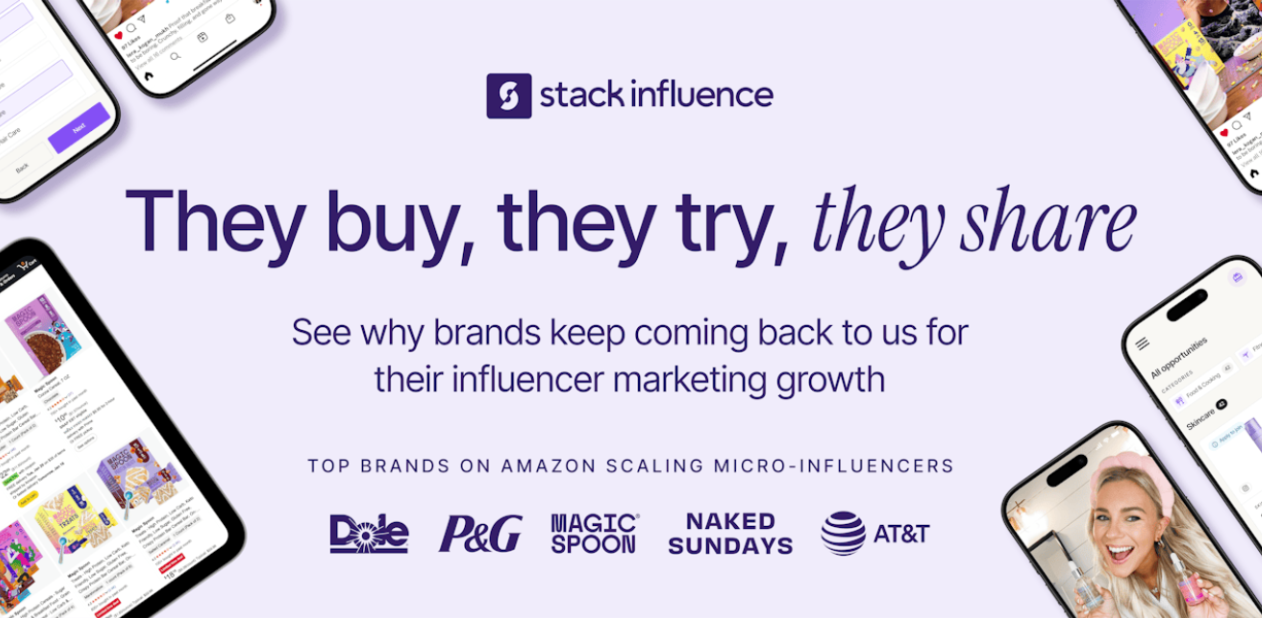
Ancient Nutrition had a real product. Strong formulation. Decent listing. What they didn't have was sales velocity that the algorithm could work with. So they stopped throwing money at bids and started sending product to micro-influencers instead.
The result: 15x sales growth, a 7.2x rank boost, all from creators their customers actually trusted.
Stack Influence automates the motion. Their AI matches your brand with creators from a network of 11M+ micro-influencers, and you simply pay them only with your products, so every dollar maps to a real purchase and a real piece of content.
- Neutralyze hit $233K in revenue at a 3.8x ROI on product seeding alone
- Lenny & Larry's activated 1,560 creators and hit 11x monthly sales
- Aunt Fannie's gave free product to 189 creators, and 8x'd Amazon sales in 90 days
Now you can run the same motion, and save 10% in your first campaign if you sign up this week.
Book your free strategy call today.
🫠Google Says You’re First Place
You need two separate measurement systems. Not one updated to include AI, but two distinct tracks running simultaneously, one for organic rankings, one for AI citations, because they are now measuring visibility in different systems that produce different results from the same query.
Here is why that conclusion is the correct one.
Citation overlap between Google's top ten organic results and what appears in AI Mode answers sits between 17% and 54% depending on the category.
In most verticals, a page that ranks well has a coin-flip probability of also appearing in the AI answer to the same query. A page that does not rank at all can appear in AI answers regularly if its content structure matches what AI retrieval systems are optimised to extract.
The two lists are related but divergent, and they diverge in specific, learnable patterns, source type, claim extractability, heading alignment, scope, rather than randomly.
The measurement implication follows directly from the data. For rankings, Search Console and standard position tracking already cover what you need.
For citations, the process is currently manual: a weekly query set across your top 30 to 50 commercial intent keywords, run through AI Mode, with documentation of which sources appear, how frequently, and in what framing. That log, maintained over four to six weeks, gives you a citation baseline.
The two datasets are then compared monthly.
- Where ranking is high and citation is low, the content architecture needs structural work.
- Where citation is high and ranking is low, there is citation equity on the page not being leveraged for organic performance.
Both conditions have different remedies and neither is visible if you are running only one measurement track.
On July 9, AirOps is hosting Jairo Guerrero, Founder of Organic Hackers, who has spent years inside server logs watching how AI crawlers actually behave. The session covers the first technical checks to run when pages go missing from AI answers and exactly where they break in the crawl-to-citation pipeline. You can secure your free spot here.
The starting priority within the citation track is decision-stage and comparison queries. AI Mode generates recommendation responses most actively on commercial intent queries, and citation on those queries has direct revenue impact. Informational citation builds awareness.
Decision-stage citation influences buyers ready to act. Start the measurement there before expanding to the full keyword set.
🏆 Ad of the Day
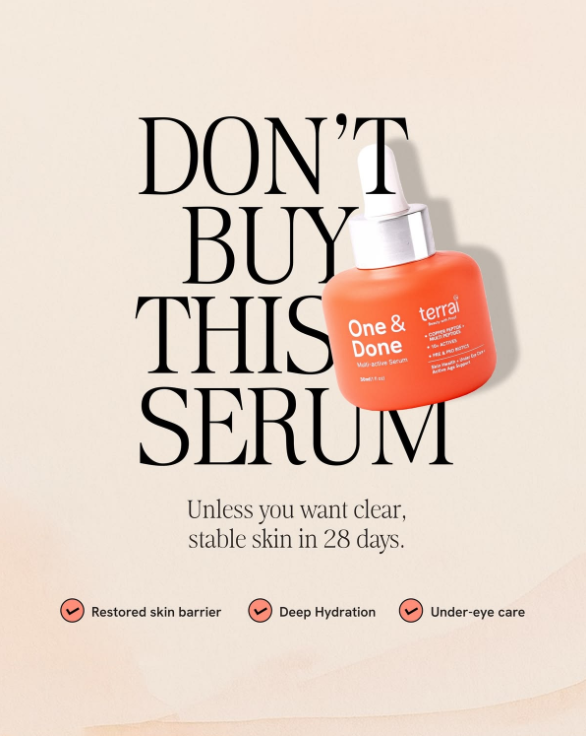
What Works:
Reverse Psychology Hook - "Don't Buy This Serum" interrupts scrolling because it contradicts advertising expectations. The curiosity gap forces people to read the second line, where the actual sales message begins.
Objection Becomes Desire - The follow-up immediately flips resistance into aspiration: "Unless you want clear, stable skin." The ad transforms a negative statement into a positive outcome without feeling overly promotional.
Minimalist Benefit Stack - Three simple benefit icons replace long ingredient explanations. Showing barrier repair, hydration, and under-eye care communicates value within seconds, matching fast social media attention spans.
Start with an unexpected statement that creates curiosity, then resolve it immediately with the desired outcome. Pattern interruptions outperform predictable promotional headlines because they earn the second glance.
Advertise with Us
Wanna put out your message in front of over 50,000 best marketers and decision makers?
We are concerned about everything DTC and its winning strategies. If you liked what you read, why not join the 50k+ marketers from 13k+ DTC brands who have already subscribed? Just follow this.
At ScaleUP, we care about our readers and want to provide the best possible experience. That's why we always look for ways to improve our content and connect with our audience. If you'd like to stay in touch, be sure to follow us EVERYWHERE🥰
Thanks for your support :) We'll be back again with more such content 🥳