
Navigating The Citation Economy
💪 Everyone is trying, but almost nobody is playing it deliberately. Pinterest and TikTok both expand ad options this week, and more!


Howdy readers 🥰
In this newsletter, you’ll find:
💪 AI Search Has a Citation Economy. Almost Nobody Is Playing It Deliberately.
📌 Pinterest and TikTok Both Expand Ad Options This Week
🏆 Ad of the Day
If you’re new to ScaleUP, then a hearty welcome! You and 50k+ CEOs, CMOS, and marketers have reached the right place. Let’s get into it, shall we? Oh! Before you forget, if someone forwarded this newsletter to you, don't forget to subscribe to our newsletter so you never miss out!
Together with Grapevine
Consumers trust experts. They tolerate brands.
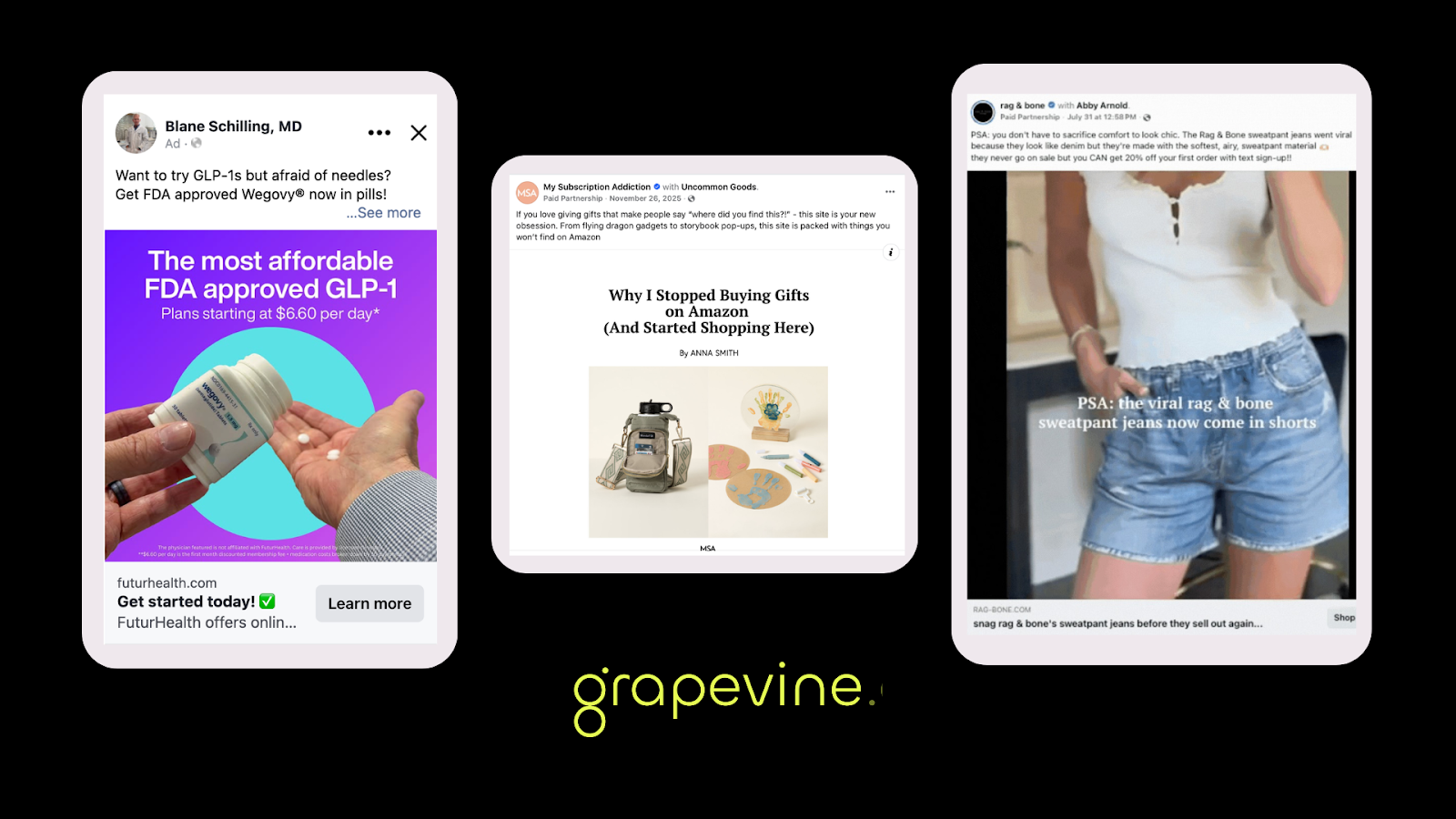
Consumers can smell a brand talking about itself. They scroll past it automatically, it doesn't matter how good the creative is.
What they don't scroll past: a registered dietitian recommending a protein bar. A dermatologist breaking down a skincare routine on camera. A running coach reviewing a shoe mid-run.
Your branded handle is working against you. Not because the creative is bad, but because the source is discounted before anyone reads the first line.
Grapevine runs creator whitelisting and publisher advertorial as one fully managed service. Brief to launch, no platform juggling, no separate agency relationships.
- Nood hit 4× ROAS while scaling spend using whitelisted creator ads
- Honeylove cut CPAs by over 20%, combining creator and publisher handles
- Mathnasium cut Meta CPL by 33% in under 30 days
Grapevine ads outperform branded creative by 25%+ across platforms. Consistently, not occasionally.
👉 Book a free strategy call for your first campaign strategy session - no commitment required.
💪 AI Search Has a Citation Economy. Almost Nobody Is Playing It Deliberately.
AI systems don't rank. They select. Ranking rewards volume, backlinks, content output, domain authority built over years. Selection rewards something different: entity clarity, topical specificity, and content shaped around the exact question being asked.
Five years of strong domain authority doesn't automatically translate to AI citation presence. The signals are different, the content format is different, and the trust mechanism is different.
The teams that understand this gap are quietly building citation presence while competitors keep optimizing for a system handling a shrinking share of commercial intent queries.
The citation economy runs on three inputs.
Entity clarity is first. AI builds a model of what your brand is before deciding whether to cite you, constructed from schema markup, structured data, and consistent signals across the web. Brands without this aren't being penalized. They're being ignored because the system can't confidently place them.
Answer-shaped content is second. The queries triggering AI Overviews are almost always decision-stage questions, comparisons, tradeoffs, best-option formats. Brands getting cited consistently have content built around decision architecture, not keyword volume.
Citation surface distribution is third. Consistent appearances across industry publications, analyst reports, and expert roundups signal category authority. That status compounds, each citation makes the next one more likely.
What the conversion data actually shows.
Brands with deliberate citation presence are seeing shorter sales cycles, higher first-call close rates, and discovery conversations where prospects arrive already past the objection stage. AI handled the awareness and consideration work before the first touchpoint, essentially running the top two funnel stages without incremental spend.
Teams not tracking this are making content and budget decisions based on an incomplete picture. They see the conversion without understanding the cause, which means they can't replicate it or defend it when a competitor starts engineering against them deliberately.
SEMrush tracks AI citation presence alongside traditional organic performance in a single view, no manually piecing together five different tools to get the full picture. You can try it for free for 7 days.
The brands building citation footprint now are creating structural advantages that compound the same way domain authority did in traditional SEO. They're not smarter than everyone else.
They're just six months earlier. That window is still open. But it won't be for long.
📌 Pinterest and TikTok Both Expand Ad Options This Week
Pinterest launched its first post-boosting feature. TikTok unveiled a slate of premium ad formats at NewFronts 2026. Both are giving brands more ways to buy visibility on their platforms.
The Breakdown:
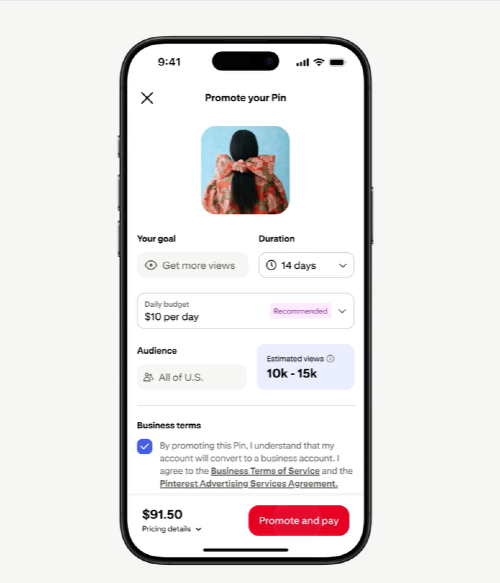
Pinterest Now Lets You Boost Pins With Ad Spend
Promote a Pin gives creators and small businesses a simple way to amplify top-performing organic Pins. A few taps, set a budget, and Pinterest's Taste Graph handles targeting across its 619 million high-intent users.
It's designed as a low-friction entry point for brands that haven't run Pinterest ads before. It also works alongside Performance+, the platform's existing AI-powered campaign tools.
TikTok Unveils Premium Ad Formats at NewFronts
Logo Takeover lets brands co-brand with TikTok's opening screen when users launch the app. Prime Time delivers up to three sequential ads to the same user within a 15-minute window during live events or peak moments.
TopReach combines the first ad on app open with the first in-feed spot into a single one-day package. The Pulse suite also added Pulse Mentions for ads placed next to brand conversations and Pulse Tastemakers for aligning with curated creators.
Pinterest is making it easier for smaller brands to start spending. TikTok is building bigger stages for brands ready to go all-in on launch moments. Different budgets, different goals, both worth knowing about.
🎥 Ad of the Day
What Works:
The Hidden Conversion Mechanism
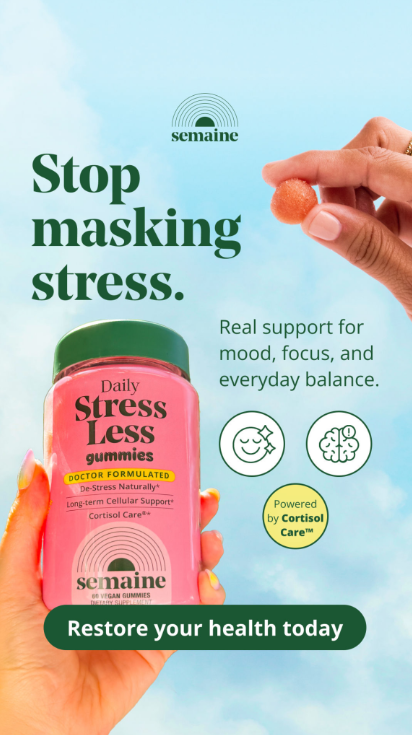
This ad works by turning stress into a behavioral flaw, not a condition. “Stop masking stress” creates subtle tension, making the viewer feel like they’ve been handling it wrong, which increases openness to change.
The gummy format then softens that tension by offering a low-friction, almost indulgent fix, making adoption feel effortless instead of clinical.
The single gummy visual reinforces micro-commitment, lowering perceived effort to near zero.
Reframe the problem as a small daily misstep, then position your product as the easiest possible correction.
Advertise with Us
Wanna put out your message in front of over 50,000 best marketers and decision makers?
We are concerned about everything DTC and its winning strategies. If you liked what you read, why not join the 50k+ marketers from 13k+ DTC brands who have already subscribed? Just follow this.
At ScaleUP, we care about our readers and want to provide the best possible experience. That's why we always look for ways to improve our content and connect with our audience. If you'd like to stay in touch, be sure to follow us EVERYWHERE🥰
Thanks for your support :) We'll be back again with more such content 🥳