
Size your Q1 creator budget
🧮 How to size your Q1 creative plan from spend, why 58% of Bing AI citations come from overlooked pages, and more!


Howdy readers 🥰
In this newsletter, you’ll find:
🧮 How many creator videos does your Q1 budget need? Work it out in five steps
🔎 Bing study of 883,000 AI citations reveals what gets referenced most
🏆 Ad of the Day
If you’re new to ScaleUP, then a hearty welcome! You and 50k+ CEOs, CMOS, and marketers have reached the right place. Let’s get into it, shall we? Oh! Before you forget, if someone forwarded this newsletter to you, don't forget to subscribe to our newsletter so you never miss out!
Together with Omnisend
Get their email while you have their attention
You spend hours creating content that gets people interested. Then ask them to find your bio, open a link, and fill out a form.
Every extra step gives a potential subscriber another reason to drop off.
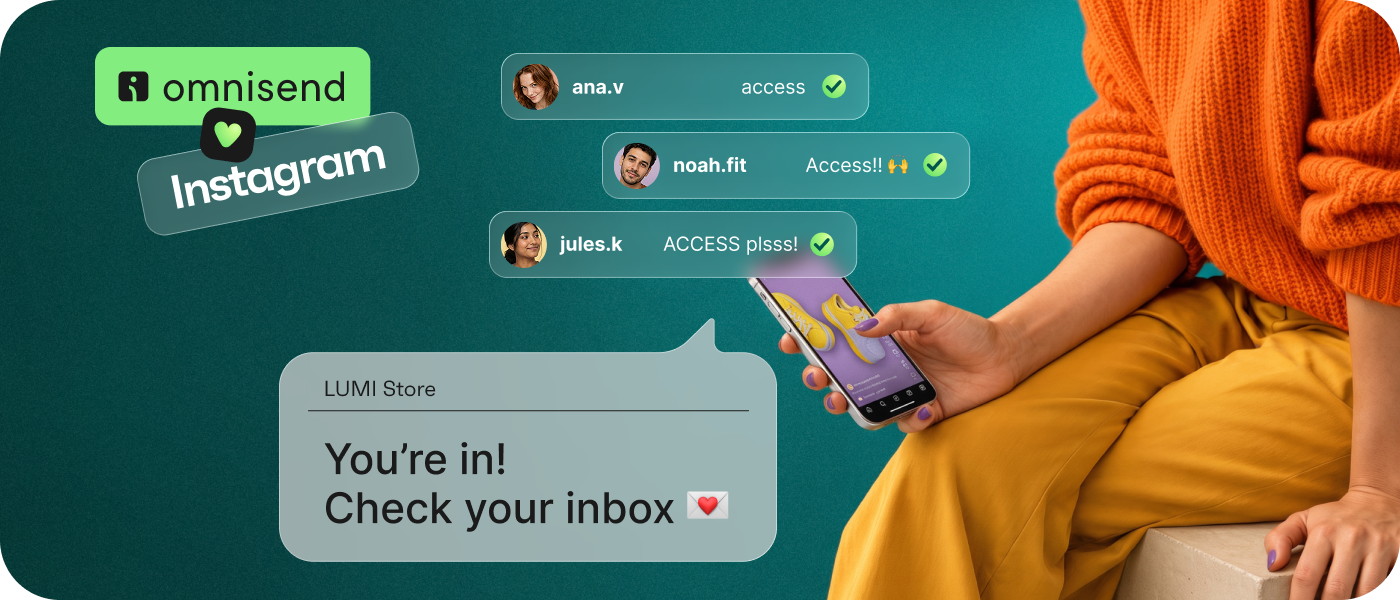
Omnisend’s Social Capture lets you collect their email right inside Instagram, while they’re already engaging with your brand.
Here’s how it works:
- Connect Instagram and choose a keyword, with an optional discount for subscribing.
- Omnisend automatically DMs anyone who comments or messages that keyword, asking for their email.
- Those who subscribe go straight into your Omnisend list, ready for your welcome series.
You’ll have a way to follow up with interested shoppers when your next offer goes live, without hoping they see another post.
New to Omnisend? Its e-commerce email and SMS platform is trusted by 150,000+ brands. Migration is free and takes up to five business days.
Start collecting subscribers before your next launch needs them.
🧮 How many creator videos does your Q1 budget need? Work it out in five steps
Creative is getting more expensive to waste. Meta said the average price per ad rose 14% year over year in Q3, per Adweek's earnings breakdown. If your own ad costs are rising, check whether the ads you keep running still bring in purchases at your target cost.
Most creative plans for Q1 start with many videos someone picked. Start from spend instead. Every number below is illustrative, so swap in your own.
Step 1: Start with monthly spend
Say January's Meta budget is $40,000, or about $10,000 a week.
Step 2: Find how long a winner lasts
Look back at your last ten winning ads. Count the weeks from launch until cost per purchase rose 30% above its best week. Say the median is four weeks. That's your refresh cycle.
Step 3: Work out how many live concepts you need
If each concept can carry about $2,500 a week before frequency climbs, $10,000 a week needs four winning concepts live at once. With a four-week refresh cycle, you replace one winner every week.
Step 4: Convert winners into videos
Not every video wins. If one in five becomes a winner, one new winner a week means five new videos a week, or about 20 a month. At $200 per video including product and usage rights, that's $4,000 a month, or 10% of spend.
In our view, 8% to 12% of spend going to creative production is a healthy range for accounts at this size. Under 5%, expect fatigue to show up in your CPA by February.
Step 5: Build the roster to deliver it
Twenty videos a month is a lot of one-off casting. A roster of five to six creators shooting three or four videos each is easier to brief and gets better with each round. Insense is set up for exactly this kind of standing order: rehire proven creators for the next product or round of ads, keep briefs, agreements, payments, and chat in one place, and pull from 115K+ niche creators when you need a new face. You can book a free strategy call by December 4 and get $200 toward your first campaign.
Check it monthly
Two numbers tell you whether the plan holds:
- Win rate: winners divided by videos launched. If it drops from one in five to one in eight, you need more volume or better briefs.
- 25% more videos.Refresh cycle: if winners last three weeks instead of four and your win rate stays the same, plan for about a third more videos. In this example, that takes you from five a week to roughly six or seven.
Run steps 1 to 4 tonight with your real numbers. If the answer is a lot more than your current creative budget, you may have found why January performance slipped last year.
🔎 Bing study of 883,000 AI citations reveals what gets referenced most
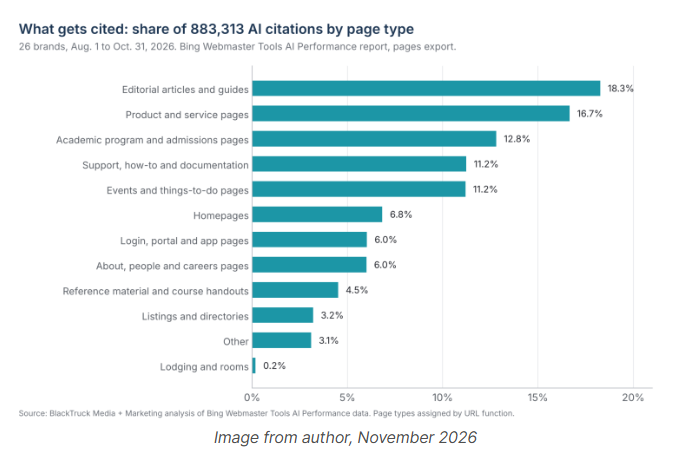
A new analysis of 883,313 AI citations across 26 brands reveals that Bing's AI frequently references overlooked website pages, challenging traditional assumptions about which content drives AI search visibility.
The Breakdown:
- Blog posts, product pages, and homepages accounted for just 42% of citations, while the remaining 58% came from support documents, app pages, staff profiles, directories, and other content.
- Just over 2% of URLs generated half of all citations, showing how heavily AI relies on a small group of pages. For a typical brand, roughly 40 pages accounted for 80% of citations.
- PDFs accounted for over 6% of citations, with instruction manuals, course catalogs, and technical documents frequently referenced. Researchers recommend keeping these resources accurate and updated.
- Brands captured 67% of citations for branded queries but only 25% for non-branded searches, revealing a significant opportunity to improve visibility when users search beyond company names.
- AI-generated search queries changed rapidly, with only 37% of previously cited query strings appearing again in later data. Researchers recommend optimizing useful pages rather than chasing individual queries.
The findings suggest AI visibility extends far beyond traditional SEO content. Brands should audit their most-cited pages, including overlooked support materials and PDFs, while using Bing's sampled reporting cautiously to identify opportunities.
🎥 Ad of the Day
What Works:
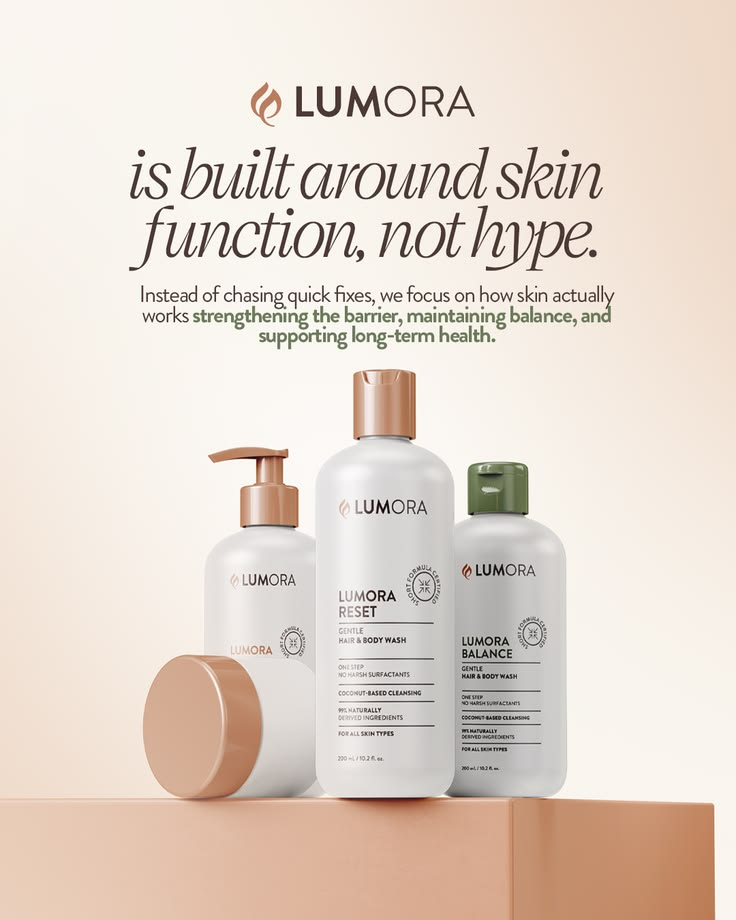
Positioning Builds Trust - “Built around skin function, not hype” immediately differentiates the brand from trend-led skincare, giving the creative a credible, science-minded positioning without feeling overly clinical.
System Feels Complete - Showing the full product family together makes Lumora feel like a cohesive routine, while the clean lineup strengthens brand recall and helps shoppers understand range breadth quickly.
Copy Signals Longevity The focus on barrier strength, balance and long-term health shifts attention from quick fixes to durable outcomes, creating stronger trust with ingredient-conscious, skeptical skincare buyers.
Don’t just sell products. Lead with the belief system behind them, then show the lineup as proof that every SKU supports the same customer outcome.
Advertise with Us
Wanna put out your message in front of over 50,000 best marketers and decision makers?
We are concerned about everything DTC and its winning strategies. If you liked what you read, why not join the 50k+ marketers from 13k+ DTC brands who have already subscribed? Just follow this.
At ScaleUP, we care about our readers and want to provide the best possible experience. That's why we always look for ways to improve our content and connect with our audience. If you'd like to stay in touch, be sure to follow us EVERYWHERE🥰
Thanks for your support :) We'll be back again with more such content 🥳