
Solved Ads Don’t Scale
📉 Once predictable attention drops to zero immediately, Meta and YouTube upgrade brand–creator workflows, and more!


Howdy readers 🥰
In this newsletter, you’ll find:
📉 Solved Ads Don’t Scale
👨💻 Meta and YouTube Upgrade Brand–Creator Workflows
🏆 Ad of the Day
If you’re new to ScaleUP, then a hearty welcome! You and 50k+ CEOs, CMOS, and marketers have reached the right place. Let’s get into it, shall we? Oh! Before you forget, if someone forwarded this newsletter to you, don't forget to subscribe to our newsletter so you never miss out!
Together with Insense
Why over 2,000 brands trust Insense to match high-fit creators in 48 hours.
Fact: Nailin' that creator-brand alignment is the secret to high-performing UGC and influencer partnerships this Q5
Problem: Manually sifting through thousands of creators and influencers to find the perfect match is a time-consuming nightmare.
Solution: Insense.
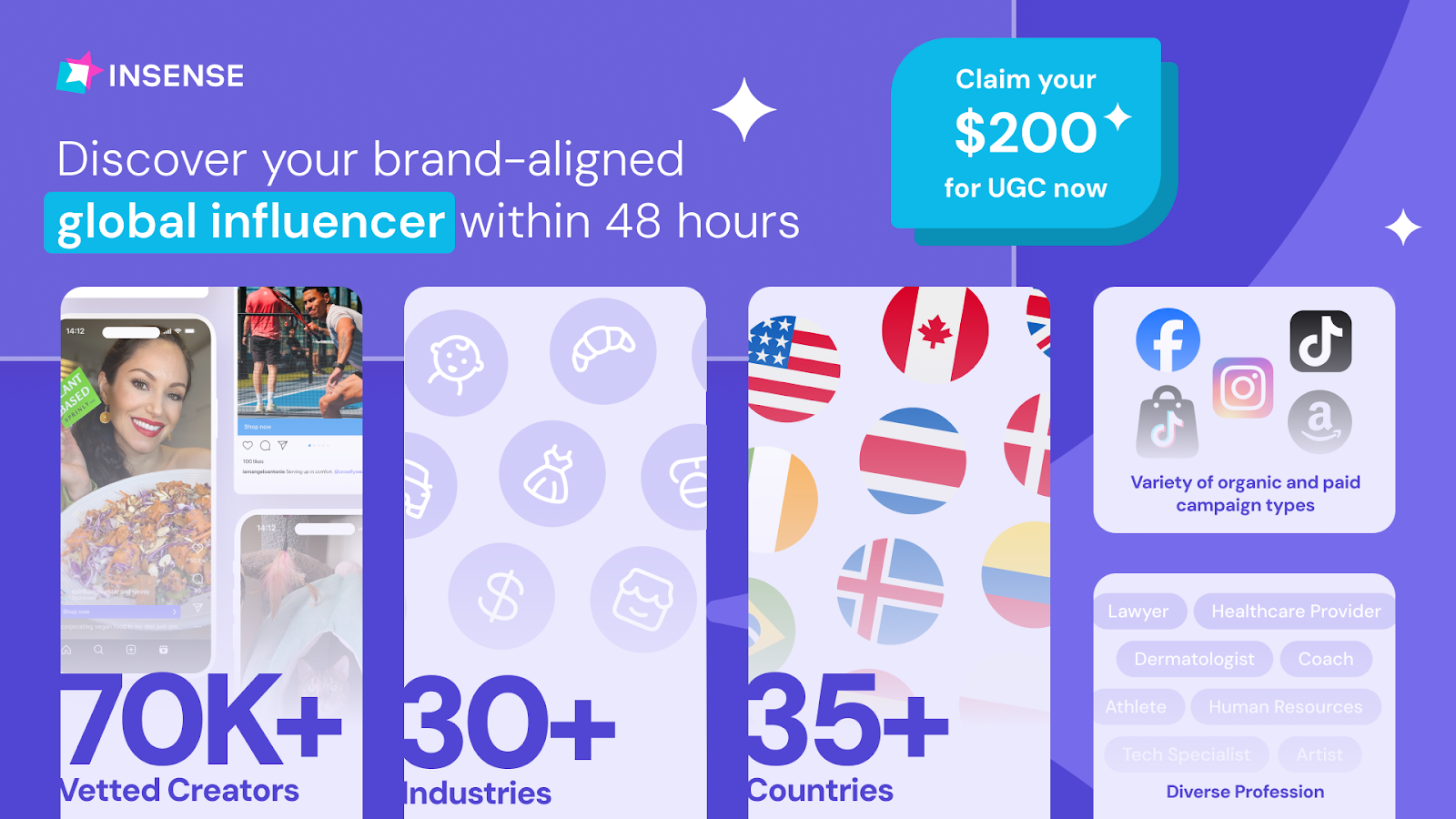
You need Insense’s carefully vetted marketplace of 68,500+ UGC creators and micro-influencers from 35+ countries across Europe, the USA, Canada, Australia, and Latin America.
Dermatologists for your skincare brand? They’ve got it!
Watch collectors? LGBTQ+ creators? They’ve got it!
Over 2,000 e-commerce, DTC, and Amazon brands use Insense to discover their perfect creators worldwide and run end-to-end diverse collaborations, including product seeding and UGC, to TikTok Shop, Meta Partnership Ads, and TikTok Spark Ads.
- Quip - received an 85% influencer activation rate (32/37 influencers posted)
- Any Age Activewear - quickly matched with mature female creators aged 50+ which boosted AOV by 20%
Try Insense yourself.
Book a free strategy call by December 31 and get a $200 bonus for your first campaign!
📉 Solved Ads Don’t Scale
Most ad teams think fatigue happens when people see something too many times. That belief quietly kills performance.
Ads don’t fatigue because they’re overexposed. They fatigue because they’ve been fully understood.
The human brain is not a boredom engine. It’s a prediction engine. The moment a viewer can accurately guess where an ad is going, attention drops to zero. Not because the ad is bad, but because it’s solved.
Once the story is solved, the brain reallocates attention elsewhere. That’s fatigue.
Why Visual Refreshes Rarely Fix the Problem
When performance dips, teams rotate creators, swap colors, reshoot footage, or remix the same script. The ad looks different, but it feels identical.
Same promise. Same framing. Same emotional resolution.
The audience already knows how the story ends, so the brain never reopens the file. You didn’t create something new. You repackaged something completed.
This is why “new creative” often dies faster than the original. The viewer recognizes the structure immediately and disengages earlier.
This is also the exact moment a senior growth team can spot the real issue in minutes. Teams like Galactic Fed, who’ve scaled 600-plus brands including Varo, Edible, and Quiznos, look at fatigue as a learning signal, not a creative failure.
Their audits focus on what the audience has already internalized, not just what the dashboard says. If you want that level of clarity applied to your own account, you can reserve your free 1:1 session and see where your story actually stopped working.
What Fatigue Is Actually Telling You
Fatigue is not a warning sign. It’s a receipt. It tells you exactly what the audience learned. If an ad fatigues quickly, it means:
- The core idea landed fast
- The emotional payoff was clear
- The promise was absorbed
That’s not failure. That’s progress. The mistake is treating that signal as something to hide instead of something to build on.
The Operator Shift: From Ads to Sequences
Strong operators don’t think in isolated ads. They think in narrative progression.
Instead of asking, “What do we launch next?” they ask, “What does the audience already understand now?”
That answer dictates the next creative. Sometimes the next step is escalation. Sometimes it’s contradiction. Sometimes it’s consequence. Sometimes it’s identity pressure. But it is never repetition.
Each new ad must introduce a new uncertainty. A new angle the brain cannot instantly predict. If it doesn’t, the algorithm may still deliver impressions, but attention will not show up.
How to Use Fatigue as a Weapon
When an ad starts decaying, don’t refresh assets. Diagnose comprehension. Ask:
- What belief did this ad successfully install?
- What question did it close?
- What tension did it resolve?
Then design the next creative to reopen the loop. Fatigue is proof that learning occurred.
Learning resets attention only when the story evolves. Ads don’t die because they’re seen too much. They die because they stopped teaching the audience something new.
👨💻 Meta and YouTube Upgrade Brand–Creator Workflows
Brands are getting smoother, more transparent ways to work with creators across Meta and YouTube. Meta is tightening discovery, permissions, and creator access, while YouTube is simplifying branded content insights and distribution.
The Breakdown:
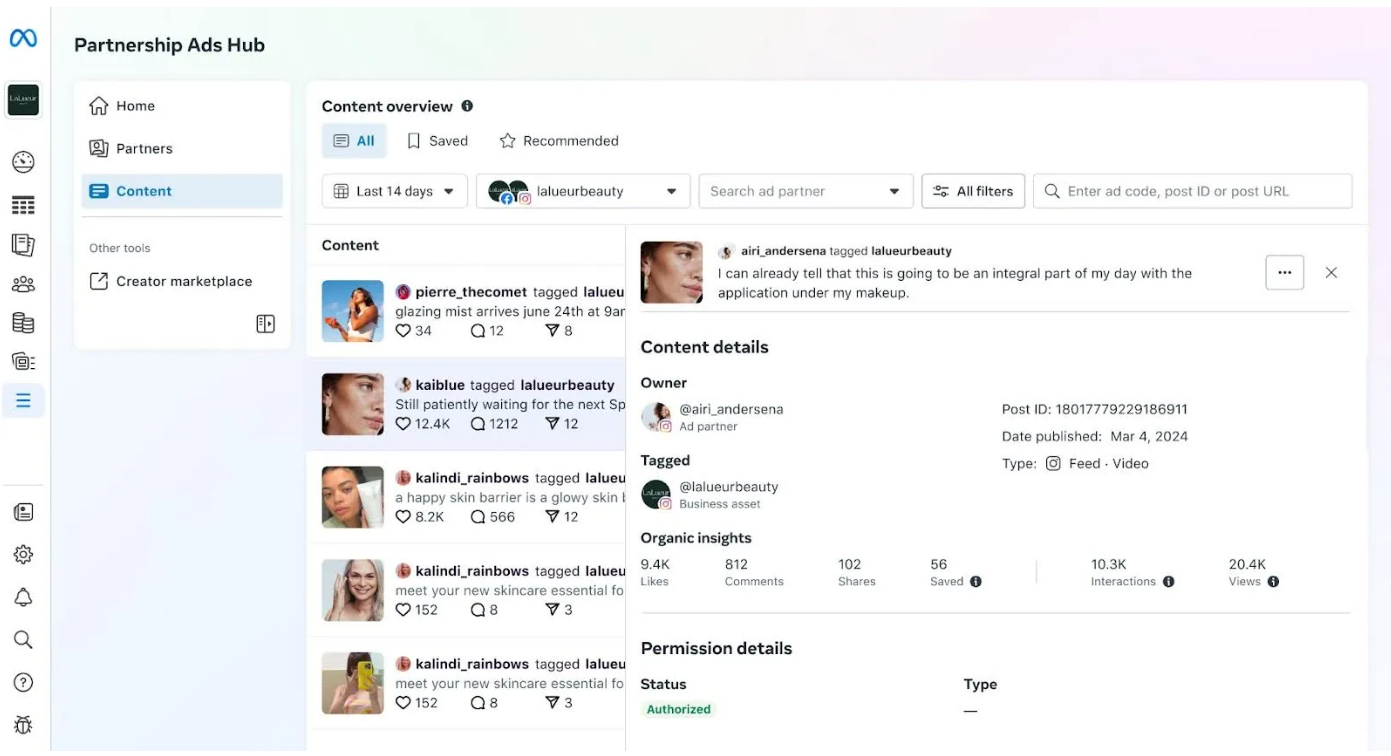
1. Centralized creator discovery - Meta’s Partnership Ads Hub now unifies Instagram and Facebook creator posts, tagging your brand, letting advertisers review opportunities and performance metrics like views and saves in one place to speed up partnership evaluation.
2. Expanded partner access - Meta adds Professional Mode creators to discovery and introduces a new Partnership Ads API, giving agencies and brands a larger, more diverse pool of creators and simplifying how branded content opportunities surface.
3. Streamlined sponsored insights - YouTube’s new Brand Partner Access gives approved advertisers full performance metrics on creator videos tagged with “Paid promotion,” removing the need for creators to share screenshots and making branded partnerships more transparent.
4. Easier creator-led ad activation - Brands can now run creator videos as ads directly across YouTube and Google once approved, helping creators reach new targeted audiences while giving advertisers a simpler, more scalable way to turn organic creator content into paid placements.
Both Meta and YouTube are reducing friction in creator partnerships by improving discovery, permissions, insights, and ad activation, giving brands faster pathways to launch campaigns, measure creator content properly, and scale high-performing collaborations across platforms without manual back-and-forth.
🎥 Ad of the Day

What Works:
1. Clean as Care - The ad frames cleanliness as an act of love, not hygiene. A mother drying her child turns a bath mat into a caregiving tool, making the product feel emotionally protective, not functionally optional.
2. Everyday Relief - “Cleaner, drier… everyday” speaks to daily friction, not aspirational upgrades. It reassures viewers that this solves a small, constant annoyance, which is exactly what repeat products are built on.
3. Sale Without Disruption - The discount is present but subdued. It doesn’t hijack the scene, so the value feels like a bonus layered onto a life improvement, not the reason the product exists.
This ad works because it sells peace of mind in a daily routine. It makes a practical product feel like a quiet upgrade to care, comfort, and consistency, with the sale simply nudging timing.
Advertise with Us
Wanna put out your message in front of over 50,000 best marketers and decision makers?
We are concerned about everything DTC and its winning strategies. If you liked what you read, why not join the 50k+ marketers from 13k+ DTC brands who have already subscribed? Just follow this.
At ScaleUP, we care about our readers and want to provide the best possible experience. That's why we always look for ways to improve our content and connect with our audience. If you'd like to stay in touch, be sure to follow us EVERYWHERE🥰
Thanks for your support :) We'll be back again with more such content 🥳