
The Email Costing You Margins
📧Every direct email your team sends to a supplier outside the master agreement has a price tag, ChatGPT ads are evolving from experiment into a real platform, and more!


Howdy readers 🥰
In this newsletter, you’ll find:
📧 The Email Tax Eating 10-20% Of Your Savings
📊 ChatGPT Ads Are Moving From Experiment to Platform This Week
🏆 Ad of the Day
If you’re new to ScaleUP, then a hearty welcome! You and 50k+ CEOs, CMOS, and marketers have reached the right place. Let’s get into it, shall we? Oh! Before you forget, if someone forwarded this newsletter to you, don't forget to subscribe to our newsletter so you never miss out!
Together with PrettyDamnQuick
Your checkout is leaking. Your analytics just won't tell you where.
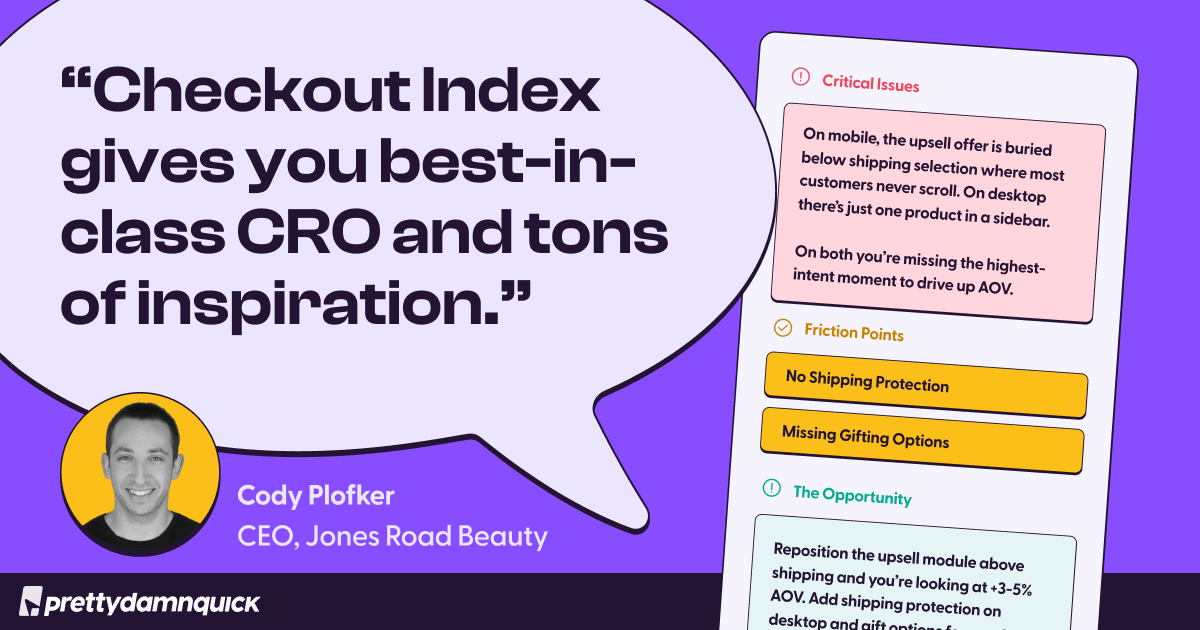
You can see your CVR. You can see your AOV. What you can't see is exactly which part of your checkout is quietly killing both.
Checkout Index by PDQ fixes that in 60 seconds.
It scans 47+ checkout signals across your Shopify store, benchmarks you against 130M+ sessions across 500+ brands, and hands you a personalized health score with a projected revenue recovery figure.
No install. No demo call. No credit card. Enter your URL, and you're done.
Jones Road Beauty ran their store through it, expecting nothing. One critical issue surfaced immediately. Upsell was buried below shipping on mobile, where most customers never scroll, missing shipping protection and gifting options.
One fix and a projected 3-5% AOV lift from a single placement change
📧 The Email Tax Eating 10-20% Of Your Savings
Every direct email your team sends to a supplier outside the master agreement has a price tag. The procurement industry has a name for it: maverick spend. The Hackett Group puts the cost at 10-20% of targeted savings lost to off-contract purchases.
Order.co's mid-market data is brutal; an average mid-sized company runs $322,000 annually through untracked spending.
Here's the part nobody flags: even best-in-class organizations with full e-procurement systems only hit 69% contract compliance. The average company is closer to 50%. Half of your supplier transactions are happening outside the deal you negotiated.
The leak isn't a person. It's the inbox.
1. Audit your "approved supplier, wrong terms" gap first
Most maverick spend isn't a rogue vendor. It's an approved supplier used outside the negotiated contract terms, with different pricing, exceeded volumes, and skipped the approval workflow. Your ops lead emails the same supplier finance already has a deal with, but uses spot-buy pricing instead of the volume rate.
Pull 90 days of supplier invoices. Match line items against master agreement pricing. The delta is your monthly tax.
2. Kill the direct email lane to suppliers
Every email outside the system is a hole. Studies of compliance show maverick buying happens because employees are trying to get things done quickly, not because they're malicious, which means policy memos won't fix it. The fix is structural: route every supplier touchpoint through one system that auto-checks against the master agreement before the message goes out.
Accio Work runs this layer natively, agentic execution intercepts supplier requests, validates them against existing contracts, and flags rate or volume violations before a PO gets cut. The "I'll just email them quickly" path stops being faster than the compliant path. You can try One Week Free.
3. Hunt your tail spend monthly, not quarterly
Tail spend, typically 20% of total spend scattered across 80% of suppliers, is where maverick purchases hide. Quarterly reviews catch it after the damage is done.
Monthly dashboards catch the pattern early: which department, which supplier, which category. Bringing tail spend under management saves 5-15% on its own.
Most P&Ls won't show this leak because it doesn't have a line item. It shows up as "freight came in higher than forecast" or "Q3 COGS drifted." It's never one big mistake. It's six emails a month, sent fast, costing the deal you already won.
The supplier already gave you the price. The question is whether your team is actually using it.
📊 ChatGPT Ads Are Moving From Experiment to Platform This Week
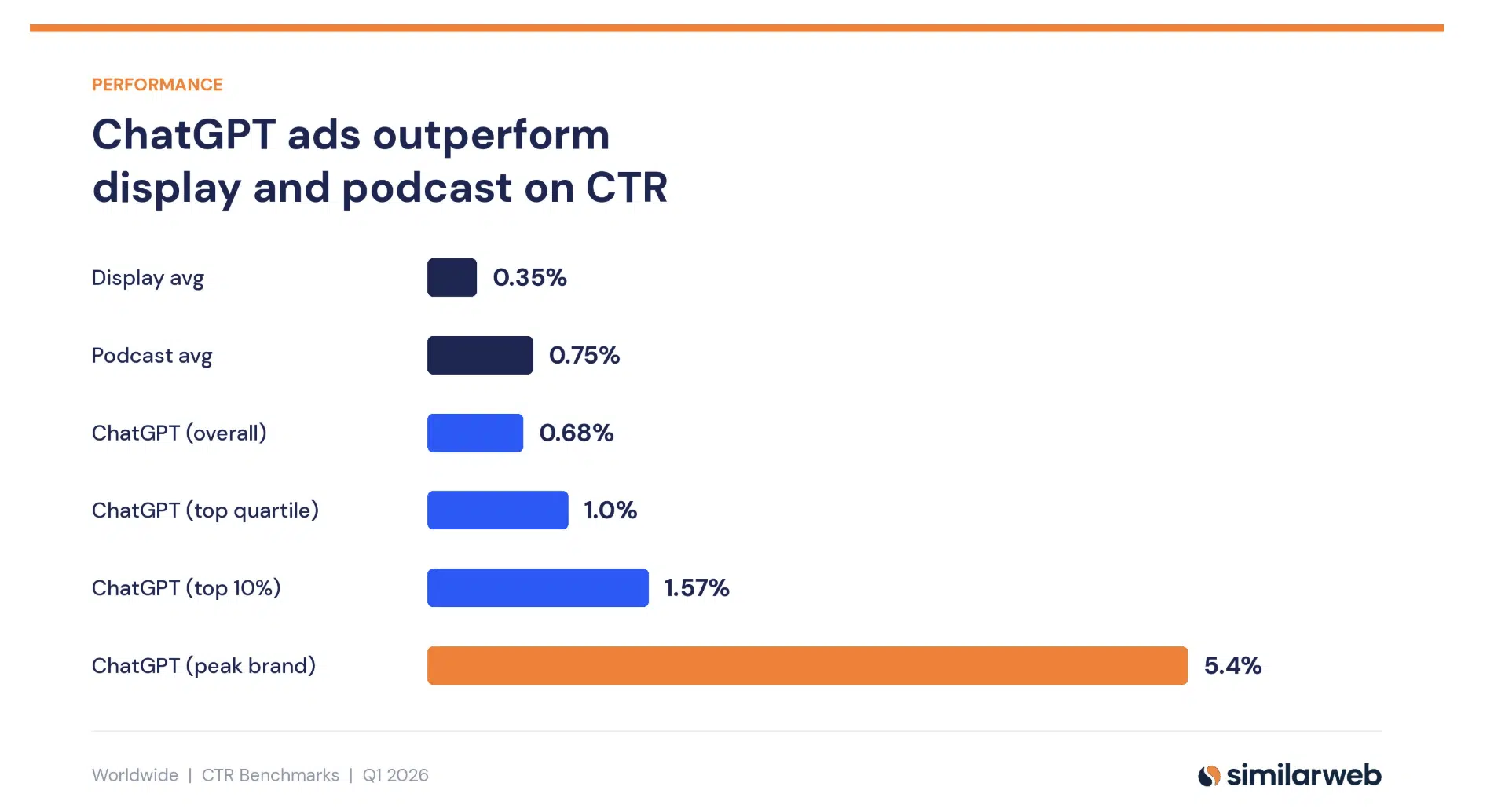
Early CTR data shows ChatGPT ads outperforming traditional benchmarks while OpenAI simultaneously launched self-serve buying, CPC bidding, and pixel-based measurement, signaling a clear shift from test to platform.
The Breakdown:
Early CTRs Impress - SimilarWeb data shows ChatGPT ads generating strong CTRs versus display and podcast channels. Mother's Day prompts trigger ads three times more than average due to high purchase intent signals.
Scale Remains Uncertain - Inventory is still limited, and early performance often looks better before wider rollout introduces competition. The novelty factor may be inflating engagement, and conversion quality will ultimately determine whether this channel is real.
Self-Serve Now Live - OpenAI launched a beta Ads Manager in the US, giving advertisers direct control over budgeting, bidding, and creative uploads. CPC bidding is now available alongside CPM so advertisers can optimize for actions, not just impressions.
Measurement Catches Up - Pixel-based tracking and a Conversions API are rolling out letting advertisers measure purchases, sign-ups, and leads. Data is aggregated with no access to individual conversations, reinforcing OpenAI's privacy focus throughout.
ChatGPT ads are following a familiar platform playbook high-touch partner-led launch followed by self-serve tools that unlock scale. WPP, Publicis Groupe, Criteo, and Adobe are already in the partner network. Conversion data at volume is what will make or break this.
🎥 Ad of the Day

What Works:
1. The bottle on a plate is a category repositioning play. Honey typically supports other foods. Centering it solo on stacked dinnerware claims star ingredient status, not supporting role. That's a direct shot at commodity perception.
2. Yellow monochrome environment removes visual competition entirely - Background, props, and product share the same color family. Nothing competes for attention. The only contrast is the dark bottle label, which is exactly where your eye lands.
3. Hands without a face remove demographic friction - No face means no age, no lifestyle, no "that's not me" rejection. Any buyer can insert themselves into the scene without subconscious filtering.
Borrow staging from high-status cultural formats, press conferences, award shows, gallery exhibitions, and photograph your product inside them. Status by association is free and scales better than discount messaging.
Advertise with Us
Wanna put out your message in front of over 50,000 best marketers and decision makers?
We are concerned about everything DTC and its winning strategies. If you liked what you read, why not join the 50k+ marketers from 13k+ DTC brands who have already subscribed? Just follow this.
At ScaleUP, we care about our readers and want to provide the best possible experience. That's why we always look for ways to improve our content and connect with our audience. If you'd like to stay in touch, be sure to follow us EVERYWHERE🥰
Thanks for your support :) We'll be back again with more such content 🥳