
The move that kills a sale
⚠️ We’re all making it thinking it’s great, but we’re essentially killing the sale, PPC platforms are rebuilding the foundation, and more!


Howdy readers 🥰
In this newsletter, you’ll find:
⚠️The move that kills a sale
🔧 PPC Platforms Are Rebuilding The Foundation
🏆 Ad of the Day
If you’re new to ScaleUP, then a hearty welcome! You and 50k+ CEOs, CMOS, and marketers have reached the right place. Let’s get into it, shall we? Oh! Before you forget, if someone forwarded this newsletter to you, don't forget to subscribe to our newsletter so you never miss out!
Together with Modash
New Influencer Marketing Industry Report: Risk Management
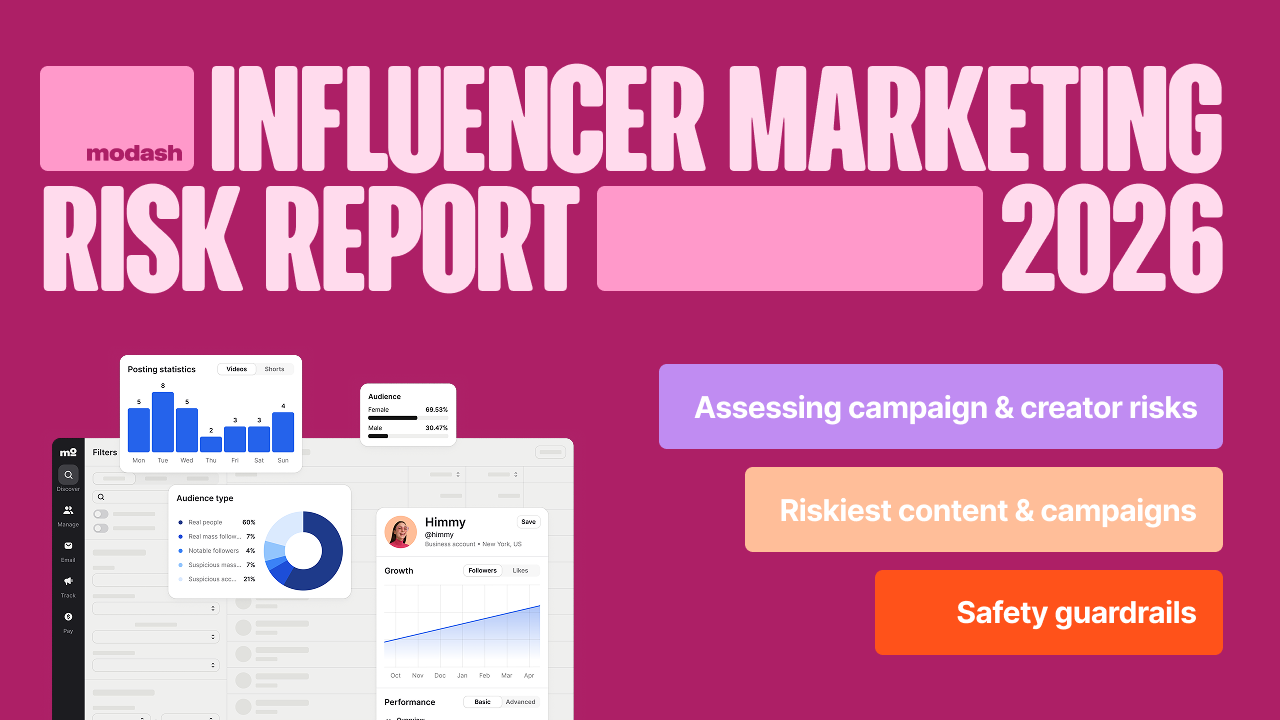
Spending money is part of marketing. But when it comes to influencers, it often means betting on variables you can’t fully control: will the algorithm push the content? Will the audience engage? And more importantly: will they buy?
Modash’s latest influencer marketing study reveals that 71% of marketers ran campaigns in the last quarter that made them a little nervous. Risk comes with the job, and the majority of surveyed influencer marketers are willing to take it - as long as brand reputation stays protected.
This influencer marketing risk report outlines:
- How marketers assess the risk of a campaign or creator
- Which types of collabs and content feel riskiest
- How do they hedge their bets when investing in uncertain partnerships
Access the full report for free here (non-gated).
⚠️The move that kills a sale
By the time someone reaches the cart, the sale is mostly decided.
They didn’t wander in by accident.
They didn’t add to the cart “just to see.”
They already crossed the hardest psychological hurdle, which is wanting the product enough to commit.
What breaks at checkout isn’t desire.
It’s certain.
Checkout Is a Risk Stage, Not an Evaluation Stage
Once an item is in the cart, the product choice is emotionally closed. What opens instead is a different question entirely: What could go wrong if I finish this?
Payment safety, delivery timing, returns, regret. That’s the mental checklist running now.
When checkout content starts re-explaining features or justifying value, it quietly drags the buyer back into evaluation mode. Comparison re-enters. Momentum leaks. The decision cracks open again.
Persuasion Backfires Where Reassurance Wins
Persuasion expands the decision space. It introduces new information, alternatives, and reasons.
Reassurance does the opposite. It narrows the decision and stabilizes it.
High-performing carts don’t try to convince. They confirm. A clear guarantee, a visible return policy, or a short line about free shipping near the payment button does more than a paragraph of benefits ever will at this stage.
The goal isn’t to add motivation. It’s to remove hesitation.
“Helpful” Content Often Creates New Doubt
This is where brands trip without realizing it.
Feature breakdowns, heavy testimonials, and lateral upsells signal something unintended: maybe this still needs explaining.
If the brain senses unfinished justification this late, it assumes there must be a reason to slow down. Even well-intended content can reintroduce uncertainty simply by existing.
At checkout, fewer questions beat better answers.
Decision Locking Is the Real Conversion Lever
The best carts behave like summaries, not sales pages.
They restate what’s included, reduce downside, and signal finality. Not urgency. Not pressure. Just calm closure.
When checkout stops trying to sell and starts protecting the decision, completion rates rise without feeling manipulative.
That last 10 percent isn’t about pushing harder. It’s about getting out of the way.
🔧 PPC Platforms Are Rebuilding The Foundation
This week’s PPC updates aren’t about new ad formats or targeting tricks. They’re about the infrastructure underneath everything. Microsoft and Google are quietly changing how content is valued, how data is captured, and how accounts stay secure.
The Breakdown:
1. Microsoft Redefines Content Value - Microsoft launched the Publisher Content Marketplace to pay publishers when AI systems use their content. Publishers set licensing terms, track usage, and get compensated, while AI platforms gain cleaner access to premium sources.
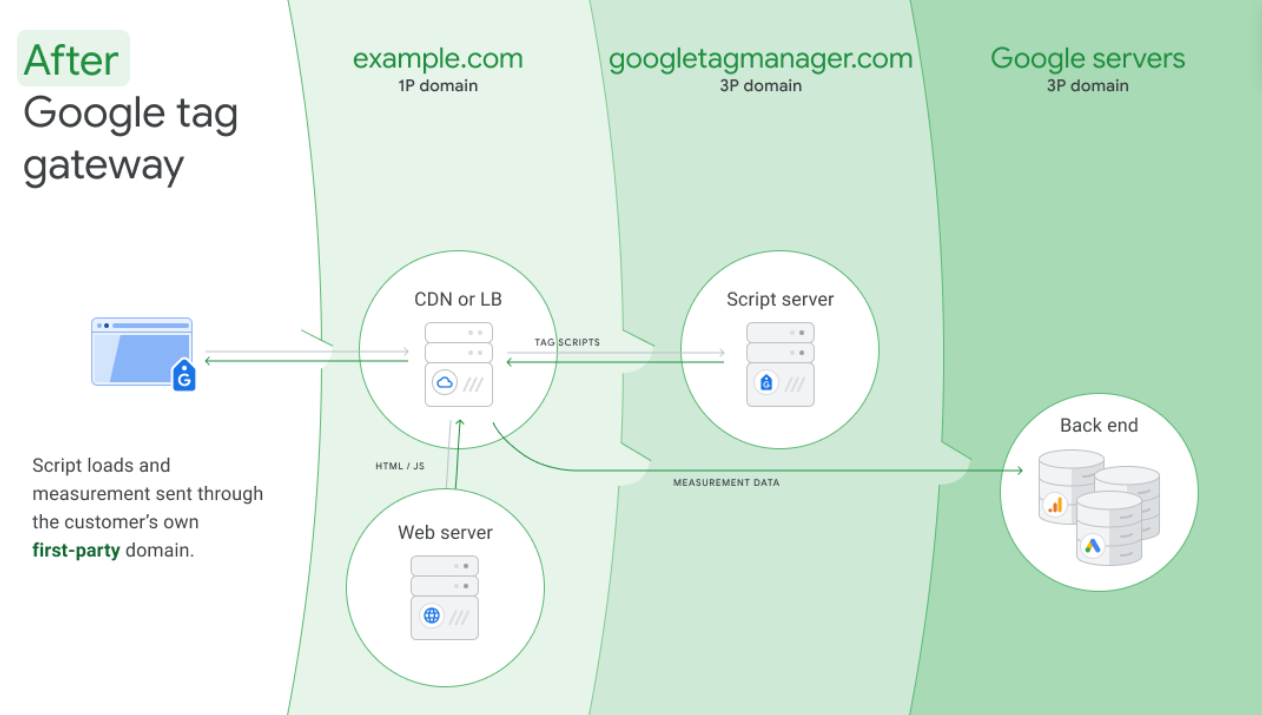
2. Google Moves Beyond Standard Tags - Google now positions Tag Gateway as the preferred tracking setup. Serving tags from your own domain improves data accuracy, extends cookie lifespan, and protects measurement as browsers limit third-party tracking.
3. Google Adds Account Safety Checks - Google Ads introduced multi-party approval for sensitive changes like adding users or changing roles. A second admin must approve these actions, reducing account hijacks but adding small operational friction.
For advertisers, the signal is clear. Strong measurement, trusted content, and account security are becoming table stakes. Platforms are setting new baselines, and accounts that don’t upgrade their foundations risk falling behind without even realizing it.
Together with The Shift
The AI Newsletter That Solves Problems, Not Creates Them
AI can do a lot, but most newsletters leave you wondering what’s actually worth trying.
That’s where The Shift comes in. They don’t just tell you “what’s new” in AI.
Every edition answers one question: What can you do with AI today that saves you time, money, or effort?
You’ll see real-world examples, step-by-step mini-guides, and instantly usable prompts, plus free access to 3,000+ AI tools and top free AI courses so you can apply what you learn right away.
No hype, no wasted time, and no “just in case” news. If it’s in The Shift, it’s because it can make your work better today.
Subscribe to The Shift now - it’s free!
🎥 Ad of the Day

What Works:
This is a Spend Uplift Play, Not a Gift Ad - The “free full-size” framing isn’t generosity; it’s a nudge to cross a threshold. The real goal is to push average order value up without discounting core products.
The Product Choice Is Strategic - Magic Body Cream is a hero product people already want. Giving away something desirable feels way more compelling than a niche or experimental SKU.
This Solves Gifting Hesitation - You’re not just buying for someone else, you’re getting something “for free” too. That dual reward makes spending feel smarter and less indulgent.
If you want higher carts without cheapening your brand, add value instead of cutting prices. A strong, full-size freebie can do more than a blunt discount ever will.
Advertise with Us
Wanna put out your message in front of over 50,000 best marketers and decision makers?
We are concerned about everything DTC and its winning strategies. If you liked what you read, why not join the 50k+ marketers from 13k+ DTC brands who have already subscribed? Just follow this.
At ScaleUP, we care about our readers and want to provide the best possible experience. That's why we always look for ways to improve our content and connect with our audience. If you'd like to stay in touch, be sure to follow us EVERYWHERE🥰
Thanks for your support :) We'll be back again with more such content 🥳