
These 2 things are killing performance
🫠You need to fix them to get out of the endless iterations and test cycles, Meta updates targeting links and ad labels, and more!


Howdy readers 🥰
In this newsletter, you’ll find:
🫠Your campaign is running. Both foundations are cracked.
⚡ Meta Updates Targeting Links And Ad Labels
🏆 Ad of the Day
If you’re new to ScaleUP, then a hearty welcome! You and 50k+ CEOs, CMOS, and marketers have reached the right place. Let’s get into it, shall we? Oh! Before you forget, if someone forwarded this newsletter to you, don't forget to subscribe to our newsletter so you never miss out!
Together with Syncly Social
You’re Not Seeing What’s Driving Your Category
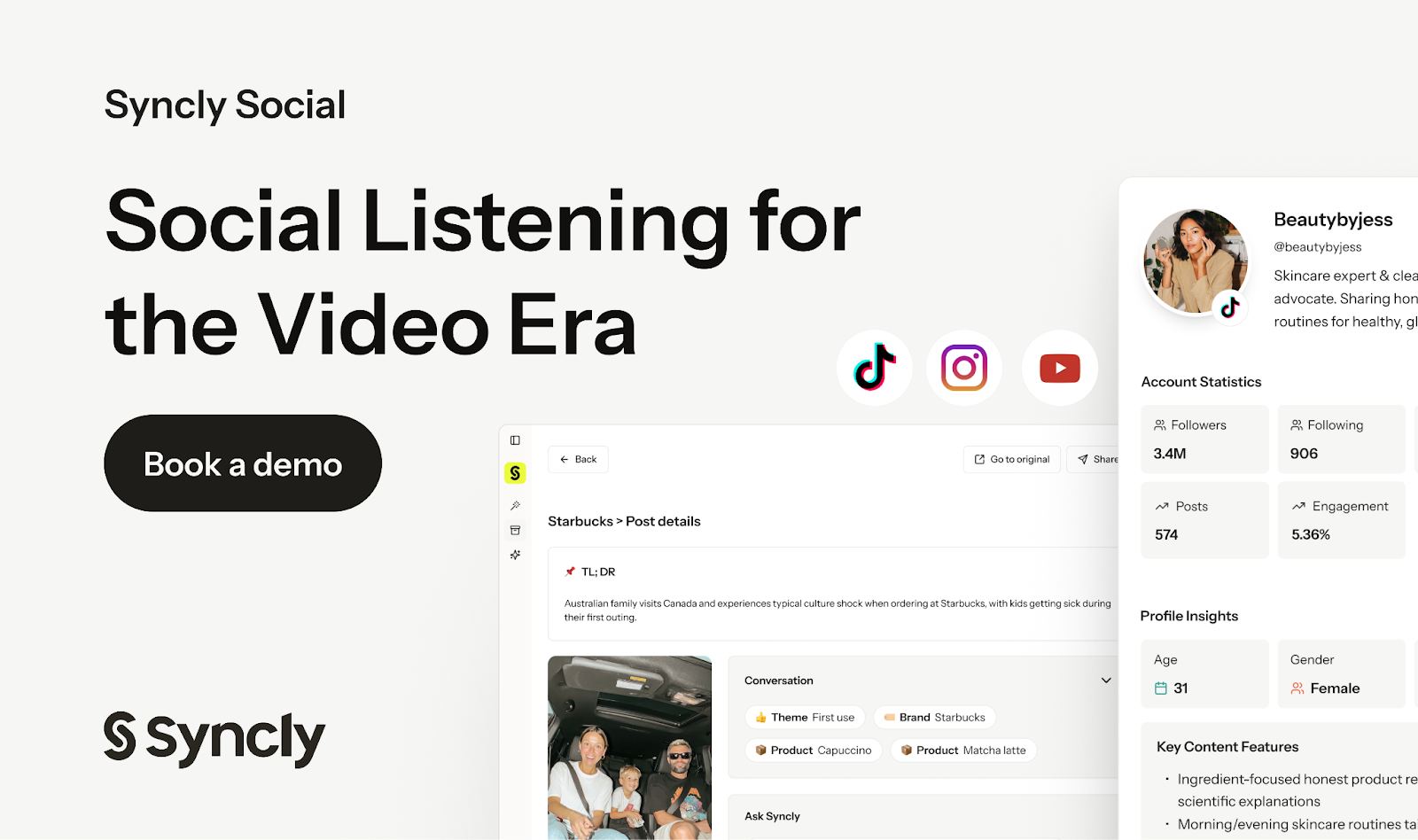
Most social listening tools rely on keywords. But brand momentum in 2026 lives inside videos. Spoken mentions, untagged creators, regional spikes, and product placements that never include your handle.
If you can’t see those signals, you’re reacting.
Syncly Social gives you visibility where others stay blind:
- Detect spoken brand mentions and untagged product placements across TikTok, Instagram, and YouTube
- Track which videos are accelerating competitor growth before the narrative hits your feed
- Break sentiment down by product aspect with demographic and geographic context
Adidas. Burberry. Kimberly-Clark. LG Electronics. Kosas. Calvin Klein.
They use Syncly because it turns weeks of messy signals into decision-ready insight in minutes.
If you’re still operating on text-only dashboards, you’re late to the conversation.
🫠Your campaign is running. Both foundations are cracked.
You tighten the creative. Add a creator. Switch to whitelisting. Results nudge up then flatten. So you test more angles, brief more creators, rotate more hooks, never realizing the problem was never fully in the creative layer to begin with.
There are two foundations every campaign runs on. Most brands are only maintaining one.
The signal layer nobody actually audits
Conversions API (CAPI) gets installed and forgotten. Events fire. The dashboard shows green. Everyone assumes the tracking layer is healthy.
It's usually not.
What almost nobody checks after CAPI is Event Match Quality (EMQ). CAPI closes the tracking gap. EMQ decides how well Meta can actually match those events to real people, and on most accounts, it's broken from the start.
When EMQ is weak Meta doesn't fully understand who viewed a product, who added to cart, or who showed genuine purchase intent. It optimizes on incomplete signals. Learning phases never stabilize.
Dynamic product ads stop showing people what they actually viewed and start serving random inventory, not because the algorithm failed, but because the event data feeding it was never clean enough.
More clean parameters passed, email, phone, name, location, equals better match quality, equals sharper optimization. Most brands are passing two or three parameters when five or six are available. The campaign runs. The foundation underneath it doesn't.
The creative layer that produces signals worth matching
Clean signals only matter if the traffic generating them is worth matching in the first place.
Expert creator voice and publisher advertorial don't just convert better, they attract higher-intent audiences whose events are worth passing cleanly to Meta.
A pharmacist recommending a supplement produces a different quality click than a branded ad interrupting a feed. The signal is richer. The match quality stronger. The optimization that follows is sharper.
Just Food for Dogs scaled Grapevine assets from 15% to 45% of their paid media mix. Madison Reed recorded 50% higher LTV from those placements. Better creative doesn't just improve conversion rate; it improves the quality of data your entire optimization infrastructure works from. You can book a free strategy call for your first campaign strategy session - no commitment required.
The two-part audit
Pull your EMQ score in Meta's Events Manager. Anything below 6 out of 10 is actively hurting optimization. Fix it by passing more customer parameters through your CAPI integration.
Then check your creative mix. What percentage of current spend runs through a voice your cold audience trusts independently of your brand? Under 20% and you're feeding clean signals into creative cold audiences that are already filtering out.
A campaign with strong EMQ and weak creative generates clean data on poor performance. Strong creative with weak EMQ generates performance you can't measure or scale.
Both foundations need to be solid before either one compounds into something worth scaling.
⚡ Meta Updates Targeting Links And Ad Labels
Meta is rolling out updates across ads and creator features. These changes affect how ads are targeted, displayed, and used by creators. The rollout is already in progress across its platforms.
The Breakdown:
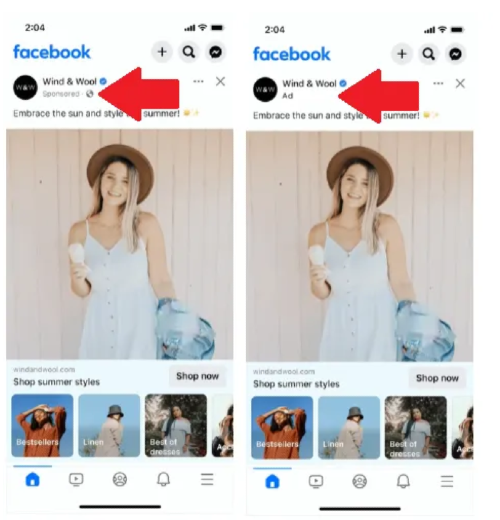
1. Ad Label Change - Meta is replacing the “Sponsored” tag with a smaller “Ad” label, making ads less noticeable in feeds. The change is live on Instagram, being tested on Facebook. The update is already rolling out, though a full launch timeline is not confirmed.
2. Links In Captions - Instagram is testing links in post captions for Meta Verified creators only, not business accounts. Creators can add up to 10 links per month, while brands and publishers cannot directly use this feature.
3. New Targeting System - Meta is replacing Nielsen DMA data with Comscore Markets for automotive ads. Both cover around 210 regions, but Comscore includes digital signals and will be used for both targeting and reporting.
4. Deadline To Update - The transition begins March 23, and by June 22, Nielsen data will be fully removed. Advertisers must update their vehicle feeds with Comscore Market IDs, or campaigns will be paused.
These updates directly impact targeting, monetization, and ad visibility. Even small platform changes like these can shift how campaigns perform and how users interact with ads
🏆 Ad of the Day
What Works:
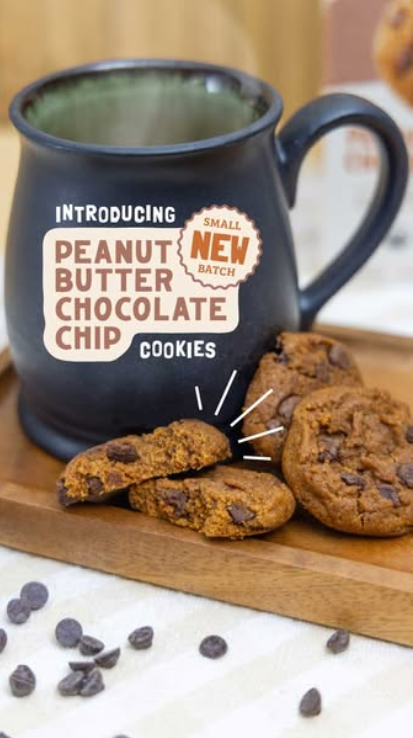
Appetite Before Information - The ad opens with texture, not text. Broken cookies, visible chocolate chips, crumbs on the board. You can almost taste it. That’s intentional. Food ads win when they trigger sensory imagination first.
The Mug Is Doing Quiet Psychological Work - The mug isn’t just a decoration. It signals a cozy consumption moment. Cookies alone are a snack. Suddenly, the product fits into a comforting routine like evening tea or coffee breaks.
Ingredient Stacking Without Explanation - “Peanut Butter Chocolate Chip.” That’s not just a flavor name. It’s two high-craving ingredients stacked together. The brain instantly predicts richness, sweetness, and indulgence without needing a description.
If you sell food, show the inside, not just the product. Texture, crumbs, and broken edges trigger appetite far more than perfect packaging shots.
Advertise with Us
Wanna put out your message in front of over 50,000 best marketers and decision makers?
We are concerned about everything DTC and its winning strategies. If you liked what you read, why not join the 50k+ marketers from 13k+ DTC brands who have already subscribed? Just follow this.
At ScaleUP, we care about our readers and want to provide the best possible experience. That's why we always look for ways to improve our content and connect with our audience. If you'd like to stay in touch, be sure to follow us EVERYWHERE🥰
Thanks for your support :) We'll be back again with more such content 🥳