
Why fear the learning phase?
🤓Start triggering it on purpose, that’s how it works, Meta wants AI handling purchases directly inside social feeds, and more!


Howdy readers 🥰

In this newsletter, you’ll find:
🤓 Why fear the learning phase?
📱 Pinterest Just Made Its Ads More Relevant and Meta Is About to Let AI Shop for You
🏆 Ad of the Day
If you’re new to ScaleUP, then a hearty welcome! You and 50k+ CEOs, CMOS, and marketers have reached the right place. Let’s get into it, shall we? Oh! Before you forget, if someone forwarded this newsletter to you, don't forget to subscribe to our newsletter so you never miss out!
Together with Pounce
Your competitors don't have this accuracy. Yet.
The biggest mobile studios don't guess what creative to ship next. Supercell, Wildlife Studios, and DeNA built a dedicated intelligence system to analyze creative, spot winning angles, and brief what gets made.
That system is now inside Pounce available to any brand running ads, and the accuracy gap is not close.
Pounce scored 98.5% on the April 2026 Mobile Gaming Video Ads Benchmark. The best frontier model scored 76.9%
Generic AI misreads your creative 1 in 4 times. Pounce gets it wrong 1 in 50, which means every creative call, every brief, every optimization is running on intelligence that was previously out of reach.
Get started for free with Pounce today!
🤓 Why fear the learning phase?
The orthodoxy around Meta's learning phase is to fear the reset, because the algorithm needs roughly 50 conversion events per 7-day window per ad set to exit learning cleanly, and resets cost both time and money. That orthodoxy holds for accounts scaling cleanly, where the goal is protecting signal accumulation against disruption.
It collapses the moment your account gets stuck, because once your audience pool has saturated, your top creative has fatigued, and your CPMs have crept up over weeks, the learning phase becomes the only mechanism that can force Meta to rebuild delivery from scratch.
Triggering it deliberately, with diagnostics in front and a plan behind, separates stuck accounts from compounding ones.
Strategy 1: Diagnose Saturation Before You Trigger Anything
Resetting learning costs at least one week and roughly 50 conversion events to rebuild. Triggering it without saturation wastes both.
The diagnostic:
- Frequency rising above 3.0 with reach plateauing across the same audience
- CPM up 25% or more over a 4-week trailing window with no auction-wide explanation
- First-time impression rate dropping below 60% on top-spend ad sets
- CTR decay of 20% or more on a creative that previously held stable
Any two of four firing simultaneously means saturation is real, and a reset will likely pay for itself. Only one firing means it's creative fatigue, not audience exhaustion.
Strategy 2: Trigger Reset Through Optimization Event Change
The common reset mistake is rebuilding the campaign structure entirely. New ad sets, new budgets, new audiences. This resets learning but discards the accumulated signal that was still useful, including pixel-level audience modeling.
The cleaner trigger is changing the optimization event itself. Move from Purchase to Initiate Checkout temporarily, forcing Meta to rebuild the delivery model against a different event type, which clears saturation while preserving the underlying account signal.
After 7 to 14 days, switch back to your original target. The algorithm rebuilds its primary model with saturation cleared and a deeper signal intact.
Strategy 3: Use the Reset Window to Introduce Audience Expansion
Outside of learning, audience expansion confuses a stable delivery model. Inside the reset, Meta is rebuilding from scratch, which means expansion gets folded into the new baseline rather than disrupting an existing one.
During the trigger window:
- Broaden 1-2% lookalikes to 3-5% on your strongest seed
- Layer in adjacent interest stacks you have previously avoided
- Increase the budget enough to hit roughly 50 conversion events within the 7-day window
The reset pays back twice when you use the rebuild window to introduce the expansion you have been delaying.
📱 Pinterest Just Made Its Ads More Relevant and Meta Is About to Let AI Shop for You
Pinterest updated its ad relevance model to factor in real-time user behavior, while Meta is reportedly building an AI agent that can automate tasks and complete purchases on users' behalf across its apps.
The Breakdown:
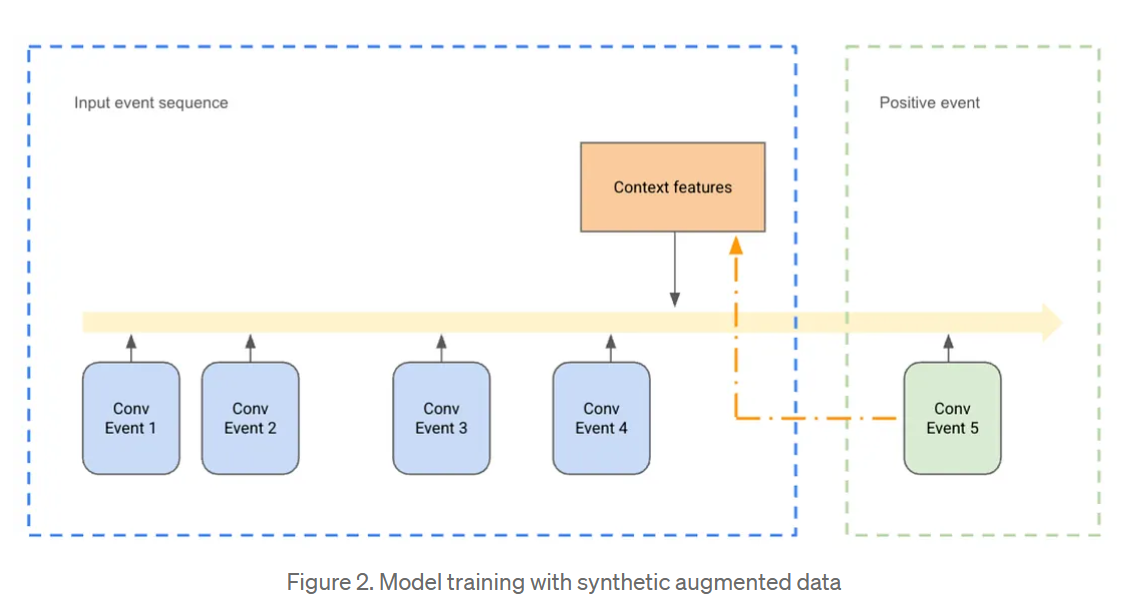
Pinterest Reads What You Want Now - Pinterest's updated ad model combines past conversion history with real-time search behavior, showing a 3x to 10x improvement in ad relevance during testing.
The Performance Numbers Are Real - Median ad relevance improved 275 to 300% in testing. Related Pins saw a 1.08% ads relevance improvement with 2x more ad candidates reaching impressions.
Meta is Building Hatch - Meta is reportedly developing Hatch, an AI agent inside its apps that handles tasks like chat summaries, competitor monitoring, and auto birthday messages conversationally.
And a Shopping Agent Too - A separate Instagram tool would find products, compare prices, and complete purchases without leaving Reels. See a t-shirt, ask the agent, done.
Pinterest's relevance update is already in production with meaningful gains for advertisers. Meta's tools are still in development, but if they land, the gap between seeing a product and owning it on Instagram shrinks to one conversation.
Together with Particl
10,000 Brands Can't Be Wrong. This Is How They Stay Ahead.
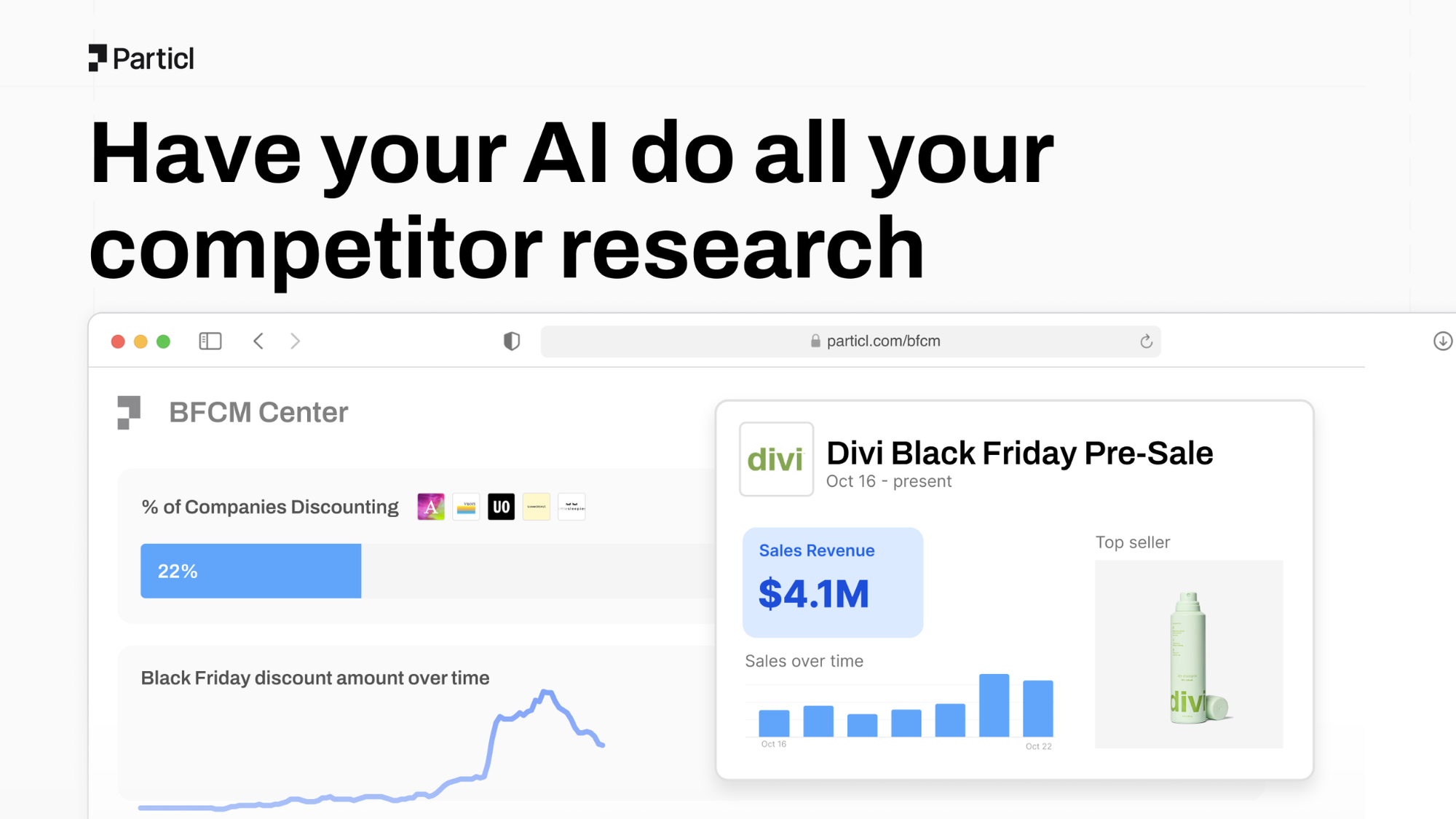
Most brands find out what their competitors are doing weeks too late. By then, the opportunity is already gone. Particl makes sure you see every move in real time before it costs you.
The AI Connector feeds live competitor intelligence straight into Claude or ChatGPT. Ask what's working, where they're pulling back, and where the gap is in your category, and get answers pulled from real data in seconds.
- HydroJug drove 300% more revenue on a new product launch using Particl's real-time pricing intelligence
- Chubbies relaunched their men's pants line using Particl’s competitor sell-through data and turned it into a seven-figure top 10 seller
- SWIM USA validated new swimwear lines with Particl's trend and assortment tracking before a single unit was ordered
Particl sits on 40B+ transactions and $500B in monitored retail revenue. Brands like L'Oreal, Everlane, Knix, and HexClad already run on it.
Start your free 14-day trial today!
🎥 Ad of the Day
What Works:
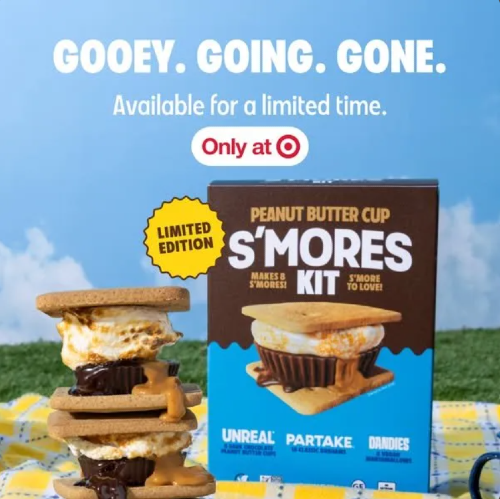
1. The three-word headline is a purchase timeline compressed into punctuation - Gooey = product desire. Going = social scarcity. Gone = loss aversion. Most brands pick one lever. This headline pulls all three in sequence, in under a second.
2. "Only at Target" is exclusivity reframed as convenience, not gatekeeping. It doesn't say "exclusive," which sounds elitist. It says "only at," which sounds like a tip from a friend. The Target logo does the rest, trusted, accessible, already in the weekly routine.
3. The stacked s'more cross-section is a texture trigger, not a product shot. Peanut butter dripping between layers activates multisensory anticipation. The brain doesn't see food photography. It simulates eating it. That's a conversion mechanism.
Write your next urgency headline as a three-beat sequence: product appeal, momentum signal, consequence of inaction. "Gooey. Going. Gone." is a template, not a tagline. Slot your own product in and test it.
Advertise with Us
Wanna put out your message in front of over 50,000 best marketers and decision makers?
We are concerned about everything DTC and its winning strategies. If you liked what you read, why not join the 50k+ marketers from 13k+ DTC brands who have already subscribed? Just follow this.
At ScaleUP, we care about our readers and want to provide the best possible experience. That's why we always look for ways to improve our content and connect with our audience. If you'd like to stay in touch, be sure to follow us EVERYWHERE🥰
Thanks for your support :) We'll be back again with more such content 🥳