
You ran an accidental experiment
🧐You didn't pause GMV Max. You ran an accidental experiment. Here's what it revealed, Meta and Snapchat announced new updates, helping advertisers capture attention, and more!


Howdy readers 🥰
In this newsletter, you’ll find:
🧐You didn't pause GMV Max. You ran an accidental experiment. Here's what it revealed.
📱 Meta expands Reels ads while Snapchat highlights attention gains
🏆 Ad of the Day
If you’re new to ScaleUP, then a hearty welcome! You and 50k+ CEOs, CMOS, and marketers have reached the right place. Let’s get into it, shall we? Oh! Before you forget, if someone forwarded this newsletter to you, don't forget to subscribe to our newsletter so you never miss out!
Together with Insense
1 UGC creator = 20+ ad variations to scale your ad creatives
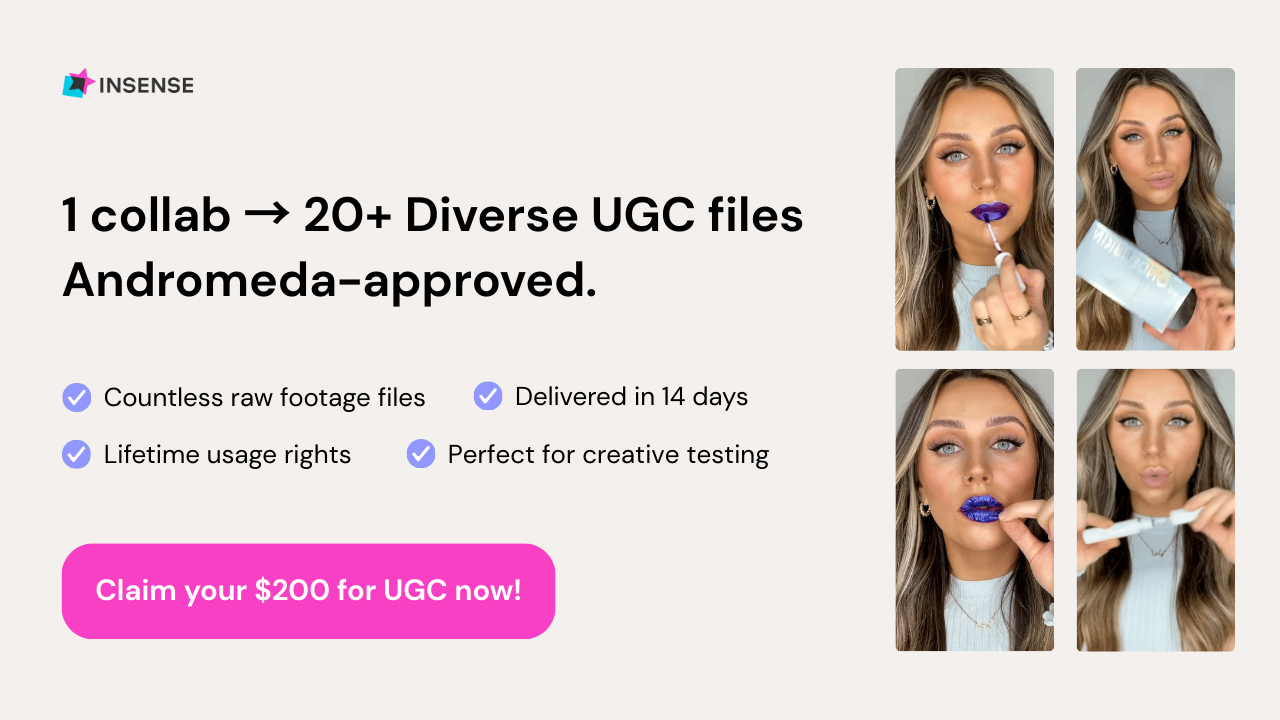
Insense makes UGC ads insanely cost-effective - and Andromeda-approved!
From one brief, get numerous raw footage clips to mix, match, and turn into multiple scroll-stopping creatives for your paid social ads.
Source 20+ pieces of raw content (per creator) with lifetime usage rights, all delivered in 14 days or less.
That’s how over 3500+ brands and agencies like Beauty Pie, Bones Coffee, Flo Health, and Aceable scale UGC without killing team bandwidth.
Cost-effective UGC with lifetime usage rights? Yes please!!
Book a free strategy call and get $200 for your first campaign.
🧐You didn't pause GMV Max. You ran an accidental experiment. Here's what it revealed.
Revenue dropped 58%. Content output dropped 19%. The algorithm was doing roughly three times more lifting than the content was, which means most of what looked like paid-driven performance was actually organic demand with a volume knob attached. The content was already producing buyers. GMV Max was finding them faster.
That distinction matters more than most brands realize.
Two very different businesses can produce the same GMV Max ROAS.
One has $400k of organic demand that paid amplifies into $1M. The other has $80k of organic demand that paid amplifies into the same $1M. The dashboard looks identical. The strategic situation is completely different.
The audit that separates them is a pause window. Seven to fourteen days without GMV Max running. The revenue floor your content produces without paid is the number that tells you which business you actually have.
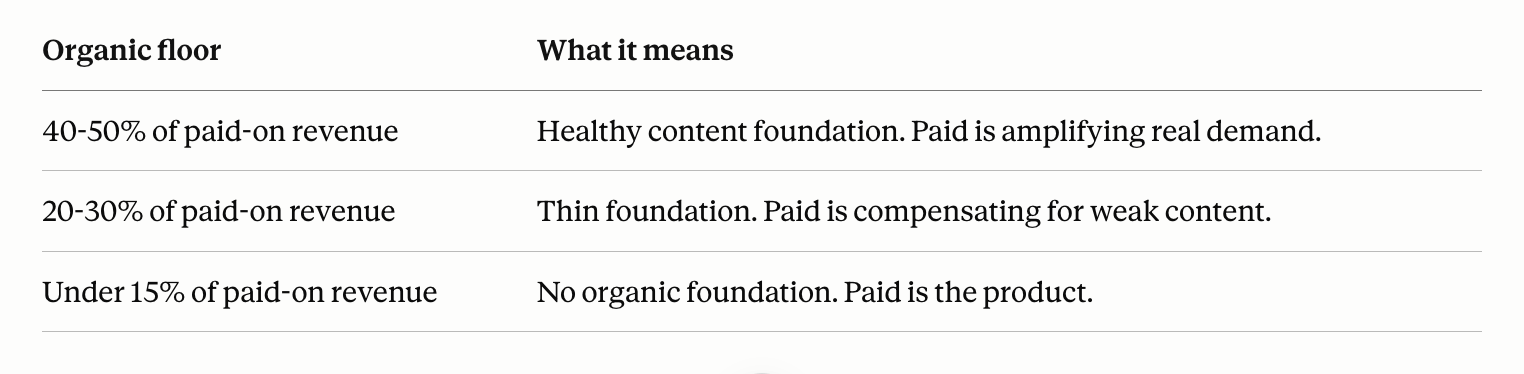
Most brands have never run this audit because pausing feels like losing money. The pause is not a cost. It is a diagnosis.
The content strategy most brands have backwards.
Most brands build content as input to paid amplification: create it, put spend behind it, judge it on paid performance. The sharper approach evaluates organic performance first. Views, shares, comments, organic sales before a dollar of paid touches it. Content that performs organically tells the algorithm there is real demand to amplify. Content that only works with paid behind it tells the algorithm to keep paying indefinitely.
Build the floor first. Let paid amplify what already exists rather than manufacture what does not.
The pause also tells you which products are real and which are illusions.
A product holding 50% or more of its revenue during a pause has genuine demand. A product dropping to 10% has no organic foundation and is entirely paid-dependent. The first deserves more content investment. The second needs either a content strategy or honest acknowledgment that it only exists with paid support underneath it.
The paid layer was always doing something. The pause is the only way to find out exactly how much.
📱 Meta expands Reels ads while Snapchat highlights attention gains
Meta and Snapchat announced new updates aimed at helping advertisers capture attention and improve performance. Meta is introducing additional ad inventory inside Reels, while Snapchat is positioning its video ads as a stronger driver of long-term sales impact.
The Breakdown:
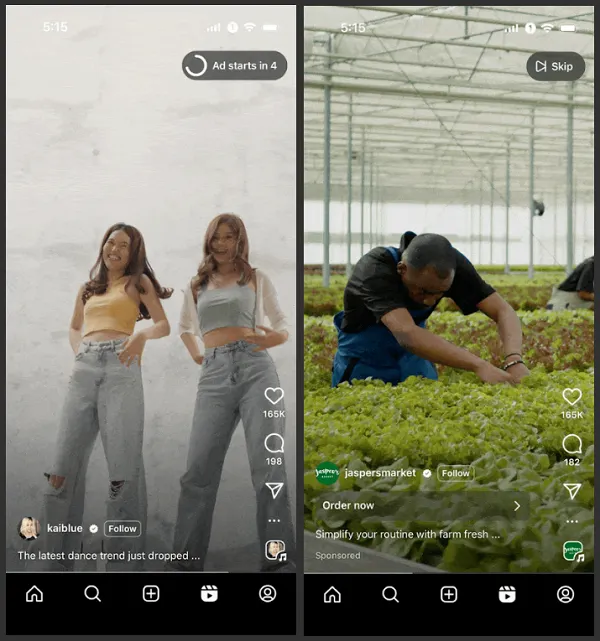
A new ad placement arrives for all advertisers - Post-view ads will begin appearing between Reels after viewers finish watching videos longer than 60 seconds, with a five-second countdown and manual skip option before returning users to their original content.
Meta is leaning into where users spend time - The company says roughly half of all time spent on Instagram now happens inside Reels, making the format one of its most valuable surfaces for both creators and advertisers.
Creators gain more control over first impressions - Users can now manually rearrange posts on their profile by using the new "Reorder Grid" feature, making it easier to highlight important content, campaigns, or portfolio work.
Attention is translating into sales results - A Dentsu-backed study found Snapchat Commercials delivered a 24% higher long-term sales lift than other non-skippable video formats while also generating those results at lower CPMs.
Platforms are increasingly competing on attention, not just reach. Meta is creating more opportunities to monetize Reels as user engagement continues to grow, while Snapchat is making the case that stronger attention and viewing behavior can translate into better business outcomes for advertisers.
✌️Events
🔥 What a Marketing Org Looks Like When AI Actually Runs It. Chime, Bitly, and Udemy Show You Live.
Today | Virtual Event | Free
What three real marketing teams are built and running right now? Tyler Roehmholdt, Nicholas King, and Bridget Nelson are on stage showing the exact systems behind their orgs and the moment everything started compounding.
Can't make it live? Register anyway, you'll get the recordings within 24hours.
🔥 L'Oréal's Former Global Communications Lead Is Explaining the High-Reach Low-Trust Trap Live
Today | Virtual Event | Free
Eric Ford spent years managing creator relationships at one of the most influential beauty brands on the planet. This session, he's breaking down the reach versus trust tradeoff that quietly derails most influencer programs and how his team learned to navigate it.
Can't make it live? Register anyway, you'll get the recordings within 24hours.
🎥 Ad of the Day
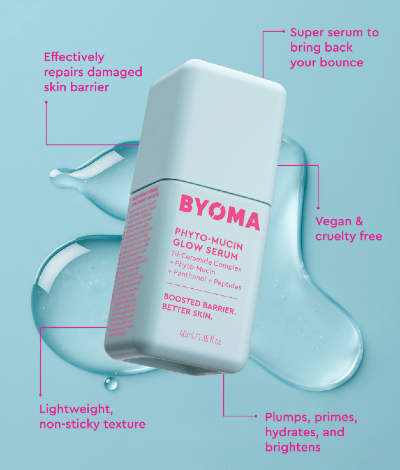
What Works:
Barrier First - "Repairs damaged skin barrier" leads the benefit stack because repair feels foundational. Consumers trust products that fix problems before enhancing appearance.
Objection Mapping - Non-sticky, vegan, hydrating, brightening, and plumping address multiple purchase hesitations simultaneously. The creative functions like a pre-purchase FAQ.
Texture Proof - The visible serum pools act as evidence rather than decoration. Skincare shoppers obsess over feel, so the texture becomes a conversion asset.
For skincare, don't make consumers choose between efficacy and aesthetics. Build creatives that simultaneously answer three questions: "Will it work?", "Will it feel good?", and "Will it fit my routine?" The faster you answer all three, the faster you earn trust.
Advertise with Us
Wanna put out your message in front of over 50,000 best marketers and decision makers?
We are concerned about everything DTC and its winning strategies. If you liked what you read, why not join the 50k+ marketers from 13k+ DTC brands who have already subscribed? Just follow this.
At ScaleUP, we care about our readers and want to provide the best possible experience. That's why we always look for ways to improve our content and connect with our audience. If you'd like to stay in touch, be sure to follow us EVERYWHERE🥰
Thanks for your support :) We'll be back again with more such content 🥳