
Your Channel Expansion Backfired
📊 The channel you added last quarter might be the one hurting you now, Social platforms are embedding shopping inside posts, and more!


Howdy readers 🥰

In this newsletter, you’ll find:
📊 The Channel You Added Last Quarter Might Be the One Hurting You Now
🛍️ Social Platforms Are Embedding Shopping Inside Posts
🏆 Ad of the Day
If you’re new to ScaleUP, then a hearty welcome! You and 50k+ CEOs, CMOS, and marketers have reached the right place. Let’s get into it, shall we? Oh! Before you forget, if someone forwarded this newsletter to you, don't forget to subscribe to our newsletter so you never miss out!
Together with Modash
AI is eating your admin. It shouldn't eat your relationships.
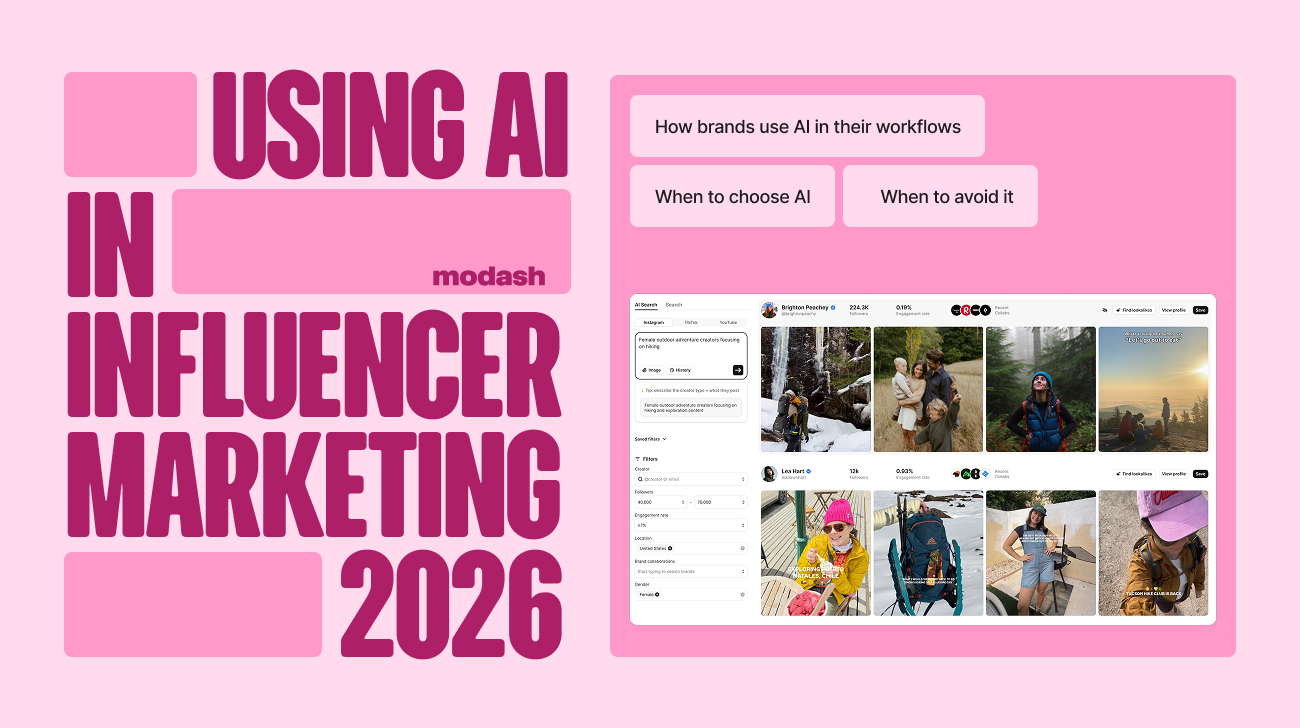
Discovery, outreach, reporting, follow-ups. It never stops. 81.9% of influencer marketers now use AI daily, up from just over half last year.
But here's where most people get it wrong: they automate everything. Creators can smell a robotic outreach message, and once trust is gone, no campaign saves it.
Modash surveyed 50+ professionals to find exactly where AI earns its keep, where handing it over costs you more than the time you saved, and how the operators running serious programs are doing both without losing what makes influencer marketing actually work.
Read the full guide here - non-gated!
📊 The Channel You Added Last Quarter Might Be the One Hurting You Now
There’s a version of expansion that looks exactly like growth until the moment it doesn’t.
A new marketplace goes live. A trending platform gets traction. Revenue ticks up and the decision feels validated.
Then six months later margins are thinner, the team is stretched across too many dashboards, and no single channel is performing the way it should. The money is coming in from more places. Less of it is staying.
That’s not bad luck. That’s the structural cost of scattered focus finally showing up in the numbers. Every channel you add is a bet made with your operational bandwidth.
Different fee structures, pricing expectations, fulfillment requirements, content formats. You’re not just adding revenue streams, you’re adding moving parts that each demand attention and pull resources away from the channels already working.
Control doesn’t collapse overnight. It erodes:
- Pricing drifts across platforms
- Inventory decisions get reactive
- Messaging fragments
- Brand consistency weakens, and trust follows at a lag
- The new opportunity problem never goes away.
There will always be a social commerce feature gaining momentum, a niche growing fast, a platform promising a new audience. Testing feels responsible. Ignoring feels like leaving money on the table.
But every experiment competes for execution capacity with what’s already working. When attention fractures, performance suffers everywhere, not just in the new channel. Saying no to a promising opportunity is often the harder, more profitable decision.
Revenue going up is not the same as the business getting healthier.
Discount-driven marketplaces inflate top-line numbers while compressing margins. New channels frequently cannibalize existing demand rather than generate net new demand. The warning signs:
- Margins tightening despite rising revenue
- No clear answer on which channel drives profitable growth versus just volume
- Complexity masking what’s actually working
More platforms don’t guarantee stronger economics. More often they dilute them.
Where you sell shapes what people think you’re worth.
Premium positioning isn’t just about product quality or creative. It’s about placement. When a brand appears across unrelated marketplaces and discount environments, perception shifts, gradually and then suddenly.
Disciplined channel focus compounds in ways sprawl never does:
- Stronger margin control
- Clearer competitive positioning
- Deeper execution quality per channel
- Pricing power that holds over time
The goal was never to be everywhere. It was to be exceptional where it matters.
🛍️ Social Platforms Are Embedding Shopping Inside Posts
Social platforms are experimenting with new ways to turn content into commerce. Instead of relying only on traditional ads, companies are introducing tools that connect organic posts and creator videos directly to product purchases.
The Breakdown:
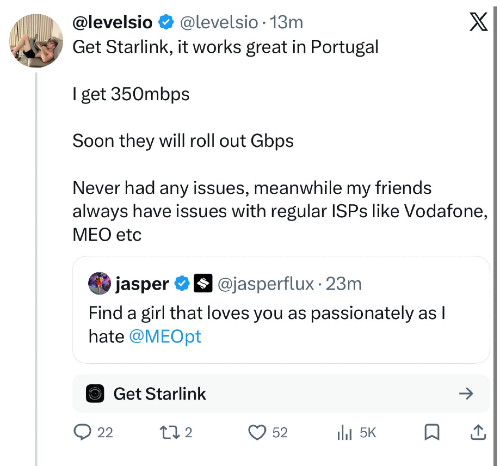
1. X Tests Product Links Triggered By Mentions - X is testing a format where posts mentioning a product can automatically display a small CTA link below the post, sending users directly to the brand’s product page.
2. Advertisers May Pay Based On Link Exposure - Brands could potentially pay based on how often these contextual product links are shown to users, while people mentioning products will not be paid to avoid incentivizing artificial promotion.
3. Meta Expands Creator Affiliate Links In Reels - Facebook now allows creators to add affiliate links from thousands of brands inside Reels, selecting products through the Professional Dashboard’s Affiliate Partnerships section.
4. Creators Earn Commissions From Product Sales - When viewers purchase products through those links, creators earn commissions from the brand, while posts containing affiliate links are labeled as branded content.
X is experimenting with contextual product ads as it tries to rebuild its ad business after revenue fell to $2.9B in 2025, while EU users dropped from 76M to 64.8M. Meanwhile, Meta is leaning into creator commerce to expand monetization inside Reels.
Together with Cloudways
Your Ads Might Not Be the Problem

You increase spend and performance feels weaker than it should. The first reaction is to blame the creative or targeting. But sometimes nothing is wrong with the ads. The drop happens after the click.
Cloud Bootcamp today is built around that layer.
This year, leaders from Varnish, Cloudflare, GT Metrix, and WP Rocket will run live, hands-on sessions dissecting real sites on screen and see why “fast” pages still struggle once traffic scales.
You’ll see:
- The 30-minute performance makeover showing what actually improves under load
- A live teardown fixing a slow site in real time
- Why “Speed Is Solved But Performance Isn’t”
- Where hosting, Core Web Vitals, and delivery decisions influence user behavior
1500+ attendees. 20+ expert speakers. Two focused days.
Most teams keep adjusting ads when the experience after the click is the real variable.
Can’t make it live? Register anyway, and we’ll send you the replay
🏆 Ad of the Day
What Works:
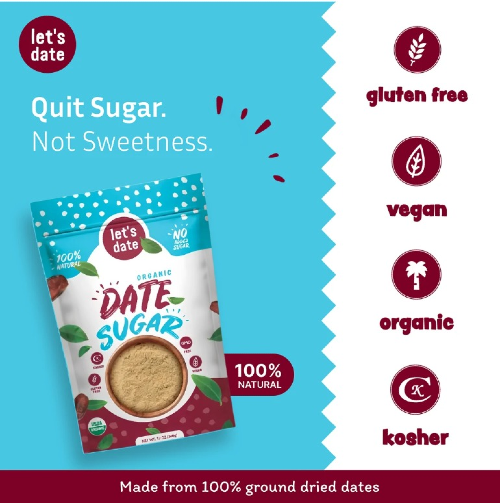
Three Words That Reframe the Entire Category - "Quit Sugar. Not Sweetness." is a two-sentence brand manifesto disguised as a headline. It validates the desire (sweetness is fine, actually) while indicting the villain (refined sugar).
The Product Name Is the Proof - "Date Sugar" requires zero explanation of the mechanism. Dates are sweet. Everyone knows this. The ingredient is the claim, no proprietary blend, no complicated science, no trust gap to bridge. Transparency as a conversion shortcut.
The Zigzag Border Is Working Harder Than It Looks - That jagged split between blue and white isn't just design flair. It creates visual tension that keeps your eye moving between the headline and the product.
Give your customer permission to want what they already want. The fastest path to conversion isn't telling people to change, it's telling them they don't have to give anything up. Reframe the sacrifice out of the decision entirely.
Advertise with Us
Wanna put out your message in front of over 50,000 best marketers and decision makers?
We are concerned about everything DTC and its winning strategies. If you liked what you read, why not join the 50k+ marketers from 13k+ DTC brands who have already subscribed? Just follow this.
At ScaleUP, we care about our readers and want to provide the best possible experience. That's why we always look for ways to improve our content and connect with our audience. If you'd like to stay in touch, be sure to follow us EVERYWHERE🥰
Thanks for your support :) We'll be back again with more such content 🥳