
Your shopping numbers just changed
📐 Plus, Google's new reporting split could make your shopping metrics look off, Google and Microsoft are handing more control to automation, and more!


Howdy readers 🥰

In this newsletter, you’ll find:
📐 Your shopping numbers just changed definition, not just value
🎯 Google and Microsoft are slowly taking their hands off the CPC dial
🏆 Ad of the day
If you’re new to ScaleUP, then a hearty welcome! You and 50k+ CEOs, CMOS, and marketers have reached the right place. Let’s get into it, shall we? Oh! Before you forget, if someone forwarded this newsletter to you, don't forget to subscribe to our newsletter so you never miss out!
Together with AirOps
The Buying Decision Starts on Pages You Don’t Own
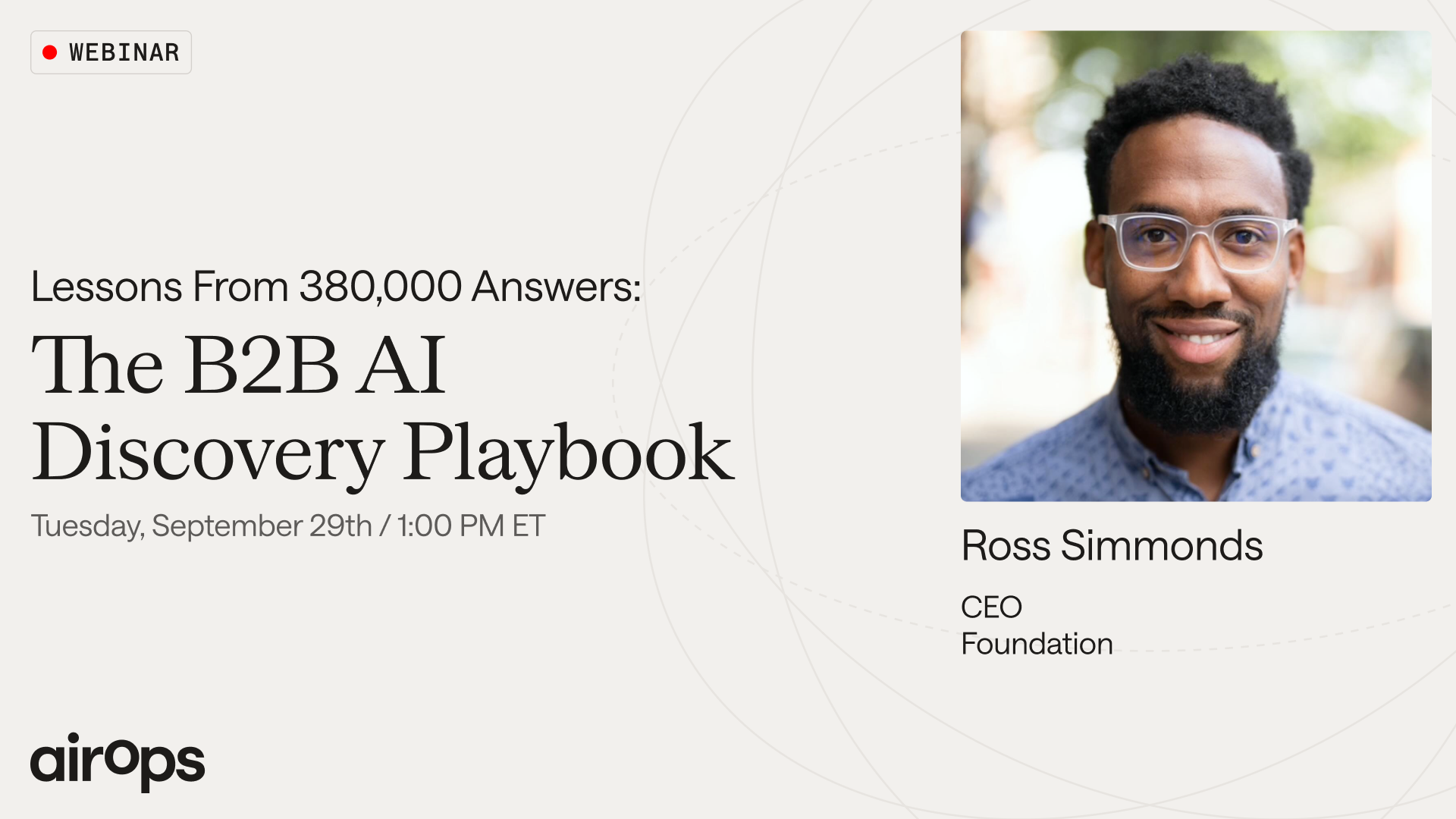
Your team may appear strongly in Google AI Mode and disappear when the same buyer asks Claude. That blind spot can cost consideration while your reports still look healthy.
Today, Foundation CEO Ross Simmonds and AirOps search marketing lead Josh Spilker will reveal how six AI platforms build software recommendations, using evidence from nearly 380,000 answers and 3 million citations.
By the end of the session, you’ll be able to:
- Decide whether to strengthen your vendor pages or earn more review-site coverage, based on which source type captures the most citation share.
- See how Google AI Overview and AI Mode build recommendations differently from ChatGPT, Claude, Gemini, and Perplexity.
- Rank G2, Reddit, YouTube, LinkedIn, Capterra, and Gartner by their influence before committing your next quarter’s content budget.
You’ll leave with a repeatable way to understand visibility shifts across AI-generated shortlists and decide what your team should fix first.
Can't attend the session live? Register anyway, and you’ll get the recordings in 24 hours.
📐 Your shopping numbers just changed definition, not just value
Google started updating Merchant Center performance reports on August 24, and the change isn't cosmetic. The update separates YouTube affiliate results from other product performance and aligns reporting definitions across Merchant Center, Google Ads, and
YouTube so the same metric name means the same thing everywhere in the ecosystem. That consistency is genuinely useful. It also means a number that moved this week might not reflect a real change in performance at all.
A "popular products" or impressions figure that drops after August 24 could be a real decline, or it could be the same underlying activity now getting counted, categorized, or attributed differently than it was a month ago.
Those are two completely different problems, and reacting to the wrong one wastes the exact week teams can least afford to waste heading into peak season.
Pull a before-and-after snapshot before drawing any conclusion
Before adjusting budget, creative, or feed strategy based on a shift in Merchant Center reporting, export the same performance view from just before August 24 and just after.
Compare structure, not just the headline numbers: did a metric that used to include YouTube affiliate activity now report it separately, did a category boundary move, did anything get reclassified in a way that would explain a shift without any actual change in how products performed.
This ten-minute check, done in a view that tracks feed and AI shopping visibility together rather than as separate systems, is what Semrush One is built to make fast.
Isolate YouTube affiliate performance as its own line now that it's separated
If your popular products report used to blend YouTube affiliate activity in with everything else, the newly separated view is actually a capability upgrade, not just a definitional headache, since it's the first time that channel gets its own visibility.
Once you've confirmed what changed structurally, use the new separation deliberately: track YouTube affiliate performance against its own baseline going forward rather than folding it back into a blended number that hides how that specific channel is actually doing.
Reconcile shopping metrics against your AI visibility data on the same cadence
A metric definition changing in Merchant Center is exactly the kind of shift that's easy to miss if shopping performance and AI-driven visibility are tracked in separate tools on separate schedules. You can see how it works here.
The number changed. Whether your performance did is a different question, and it's worth answering before anyone reacts to the wrong one.
🎯 Google and Microsoft are slowly taking their hands off the CPC dial
Advertisers are getting a fresh batch of changes across Google Ads and Microsoft Advertising, and there’s a pattern underneath them: less micromanaging every click, more automated bidding and more signals feeding the platforms.
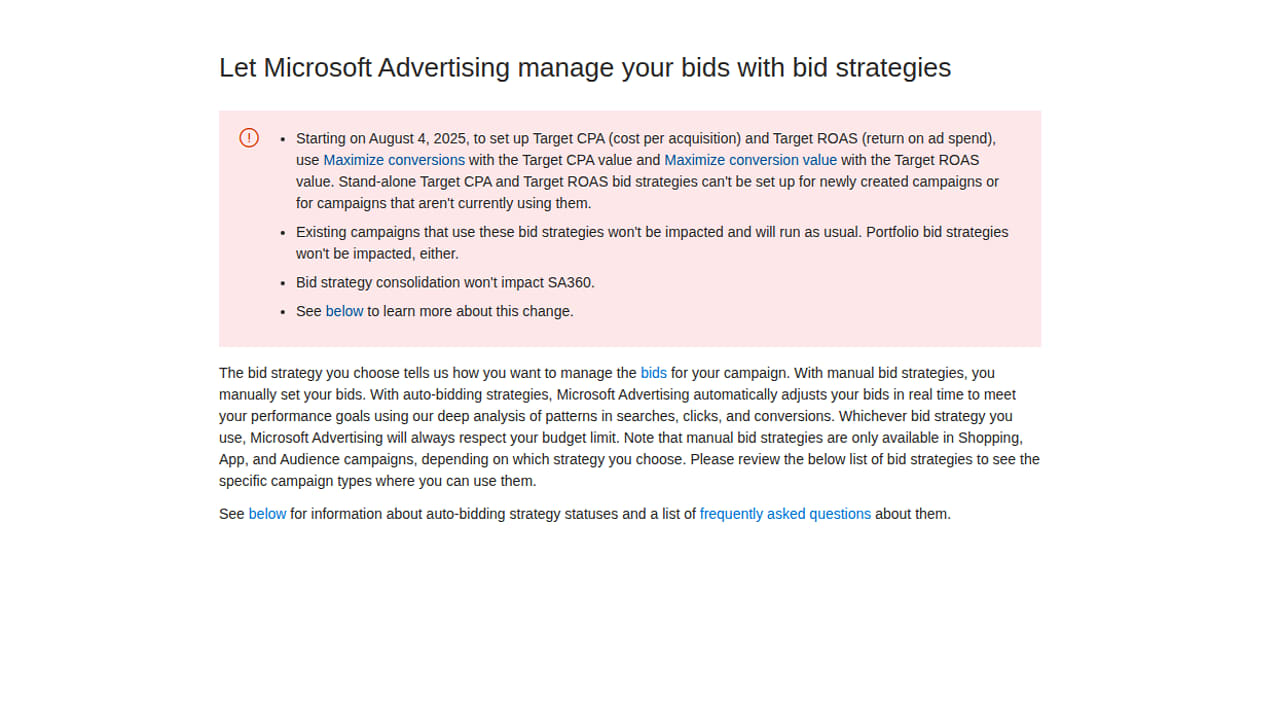
The Breakdown:
Max CPC Gets Squeezed - Microsoft is pushing Max CPC into portfolio strategies for new campaigns from October 1, before restricting API access further in January 2027. The old per-click ceiling is getting harder to hold onto.
Google Locks the ROAS Dial - Turn on Promotion Mode and Target ROAS gets locked, leaving only tolerance adjustable. Demand Gen display images have also moved from CPC to CPM, so advertisers are paying for impressions rather than individual clicks.
Customer Match Gets Sharper - Google can now match audiences using IP addresses and interaction timestamps, alongside existing customer identifiers. There’s a privacy catch: both are uploaded unhashed and excluded for EEA, UK and Swiss users.
Local Ads Get Supersized - Google is testing much larger Local Services Ads with bigger images and more prominent details, potentially giving plumbers, roofers and other local businesses even more Search real estate.
The click is losing some of its old control-panel status. Microsoft is narrowing where advertisers can cap CPCs, Google is putting more decisions behind automation, and richer customer data is becoming the fuel. Advertisers may get smarter optimization in return, but increasingly, they’re steering the outcome rather than setting every lever themselves
🏆 Ad of the day

What Works:
Faces Drive Attention - The close-up smiling faces create immediate human emotion and strong thumb-stop potential, while their eye lines naturally pull attention toward the product in the center.
Color Signals Indulgence - The saturated red, orange and yellow palette makes the ad feel energetic and candy-like, reinforcing sweetness and helping the vegan positioning feel fun rather than restrictive.
Product Feels Social - The shared eating moment turns the candy into a social experience, strengthening emotional relevance while the visible gummies communicate texture, variety and product enjoyment instantly.
For snacks, show people actively enjoying the product together. Shared consumption adds energy, social proof and emotional context that a standalone pack shot cannot create.
Advertise with Us
Wanna put out your message in front of over 50,000 best marketers and decision makers?
We are concerned about everything DTC and its winning strategies. If you liked what you read, why not join the 50k+ marketers from 13k+ DTC brands who have already subscribed? Just follow this.
At ScaleUP, we care about our readers and want to provide the best possible experience. That's why we always look for ways to improve our content and connect with our audience. If you'd like to stay in touch, be sure to follow us EVERYWHERE🥰
Thanks for your support :) We'll be back again with more such content 🥳