
AI is losing its distribution advantage
💪Snapchat just made a decision that’s coming for every platform’s content feed, Google expands measurement beyond conversions with new branded search, and more!


Howdy readers 🥰

In this newsletter, you’ll find:
👎 AI is losing its distribution advantage
📊 Google rewires ad measurement
🏆 Ad of the day
If you’re new to ScaleUP, then a hearty welcome! You and 50k+ CEOs, CMOS, and marketers have reached the right place. Let’s get into it, shall we? Oh! Before you forget, if someone forwarded this newsletter to you, don't forget to subscribe to our newsletter so you never miss out!
Together with AirOps
Your AI Visibility Can Disappear Before Tomorrow

Your brand can appear in an AI answer this morning and disappear by afternoon. That volatility quietly redirects high-intent buyers toward competitors while your SEO reports show nothing unusual.
AirOps built The GEO Strategy Playbook to map the system behind brands that stay visible across repeated AI searches.
You’ll learn how to:
- Find the purchase-intent prompts where competitors are replacing you before those losses reach the pipeline.
- Identify the external pages shaping AI recommendations, so you know exactly where stronger brand coverage can influence the shortlist.
- Turn proprietary data and expert insight into quotable proof that models can confidently use.
Only one in five brands remained visible across five identical AI searches. If you are checking quarterly, you may be measuring visibility your brand has already lost.
You’ll walk away knowing what drives AI citations and how to track where your brand gains or loses visibility each week.
👎 AI is losing its distribution advantage
Snapchat has adjusted its recommendation systems so that only videos featuring real people are eligible for Spotlight recommendations, removing AI-generated videos from one of its highest-visibility discovery surfaces. Earlier this year, TikTok and Meta introduced their own restrictions around AI-generated content in commerce and recommendation environments.
Three major platforms arriving at similar policies independently suggests something larger than isolated moderation updates.
The question is no longer whether AI-generated content has a place. It’s where platforms are still willing to distribute it.
Not every piece of content carries the same risk
One mistake brands make is auditing content by asking, “Was AI used?”
The more useful question is: “Where is this content expected to appear?”
A piece of AI-assisted content sitting in a standard feed post faces a very different level of exposure than one designed for recommendation engines, shopping surfaces or other algorithmically amplified placements.
The production method matters. The placement matters even more.
Prioritize by distribution risk, not production volume
Instead of rebuilding an entire content library, work from the top down.
Start with the placements that generate the most discovery, recommendation traffic or commerce activity, then identify which of those currently rely on AI-generated assets.
One supplement brand facing this exact challenge rebuilt only the creator content supporting its three highest-value commerce placements first, completing the work within three weeks while leaving lower-priority evergreen content on its existing production schedule. The result wasn’t a full content overhaul. It was a targeted reduction in platform risk where visibility mattered most.
Replace calendar reviews with trigger-based reviews
Most teams review platform policies every quarter.
That cadence is becoming too slow.
Instead, treat every major platform announcement as its own audit trigger. When Snapchat, TikTok or Meta changes how a recommendation surface works, immediately check whether any active content depends on the affected placement rather than waiting for the next scheduled review.
The faster platforms change distribution rules, the less useful fixed review calendars become.
Building a sustainable pipeline of real-person content is exactly where Insense fits. Brands can source from a vetted marketplace of 100,000+ creators across 57 countries, making it easier to produce authentic UGC for the high-visibility placements platforms increasingly favour. You can book a free strategy call by August 28 and receive $200 toward your first campaign.
One platform changing its recommendation rules could be dismissed as an isolated decision. Three platforms making the same move is a shift in how visibility itself is being allocated.
📊 Google rewires ad measurement
Google is changing how advertisers measure brand demand, understand social discovery, and optimize Demand Gen. The updates increasingly capture what happens between ad exposure and direct conversion.
The Breakdown:
1. Branded Searches Change - Google's Branded Searches now uses a 7-day default window, adjustable from 1–30 days. Current documentation supports YouTube and Demand Gen, but no longer lists Performance Max.
2. Reporting, Not Bidding - Branded Searches measures whether ad exposure later triggers a Google or YouTube brand search. It appears in reporting but cannot be used as a bidding optimization goal.
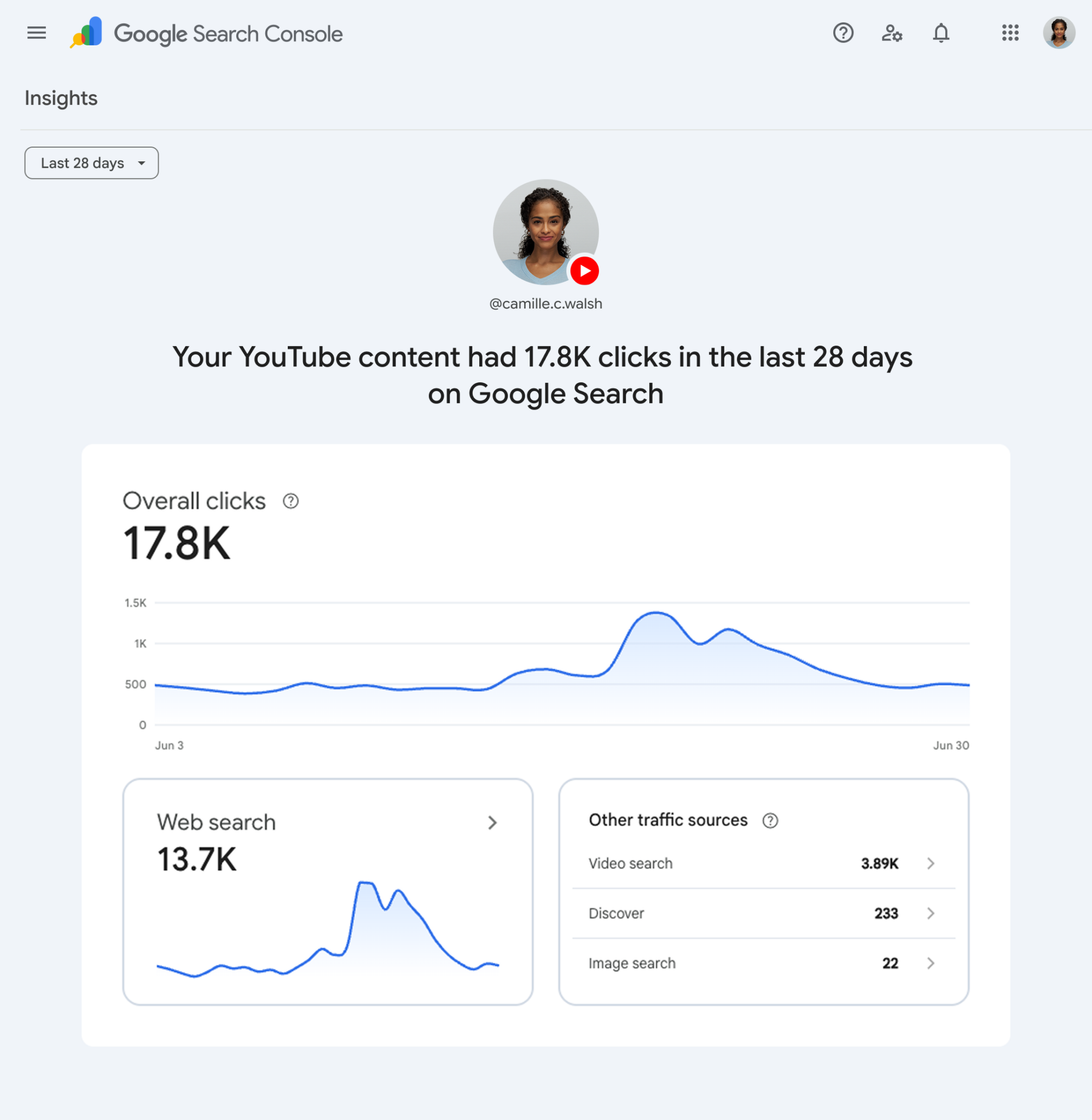
3. Social Search Data - Search Console now provides queries, clicks, impressions, CTR, and position for verified social accounts across Search, Discover, and News. Data only begins after verification, with no historical backfill.
4. Demand Gen Goes Video - VTC optimization becomes video-only, expands to Display, and defaults on for new Demand Gen campaigns. Display video also moves from CPC to CPM billing.
Google is giving marketers more ways to measure demand beyond direct clicks, while simultaneously changing which signals advertisers can actually use to optimize campaigns.
🏆 Ad of the day

What Works:
Perspective Stops Scroll - The extreme low-angle shoe shot creates an immediate pattern interrupt, making the product feel larger, faster and more dominant while improving thumb-stop potential in crowded feeds.
Features Feel Functional - Zero-drop, flexible sole and wide toe-box callouts translate technical footwear benefits into quick purchase reasons, strengthening product communication without pulling focus from the hero shoe.
Energy Matches Usage - The dynamic runner pose, curved headline and gritty outdoor styling reinforce movement and athletic identity, giving the creative stronger message-market fit for active, performance-focused shoppers.
Shoot the hero product from an unconventional perspective, then surround it with three or four benefit callouts. This creates visual drama while keeping conversion-focused information easy to scan.
Advertise with Us
Wanna put out your message in front of over 50,000 best marketers and decision makers?
We are concerned about everything DTC and its winning strategies. If you liked what you read, why not join the 50k+ marketers from 13k+ DTC brands who have already subscribed? Just follow this.
At ScaleUP, we care about our readers and want to provide the best possible experience. That's why we always look for ways to improve our content and connect with our audience. If you'd like to stay in touch, be sure to follow us EVERYWHERE🥰
Thanks for your support :) We'll be back again with more such content 🥳