
The channel your report skips
📡TikTok Shop outsells Costco online, and most discovery dashboards don't have a row for it, Microsoft, X, and ChatGPT are each handing more of the ad-buying process over to AI agents, and more!


Howdy readers 🥰

In this newsletter, you’ll find:
📡 The discovery channel missing from your weekly report
📈 Microsoft, X, and ChatGPT push ads deeper into AI
🏆 Ad of the day
If you’re new to ScaleUP, then a hearty welcome! You and 50k+ CEOs, CMOS, and marketers have reached the right place. Let’s get into it, shall we? Oh! Before you forget, if someone forwarded this newsletter to you, don't forget to subscribe to our newsletter so you never miss out!
Together with Levanta
The biggest holiday mistake brands make? Trying to build a creator program in November.
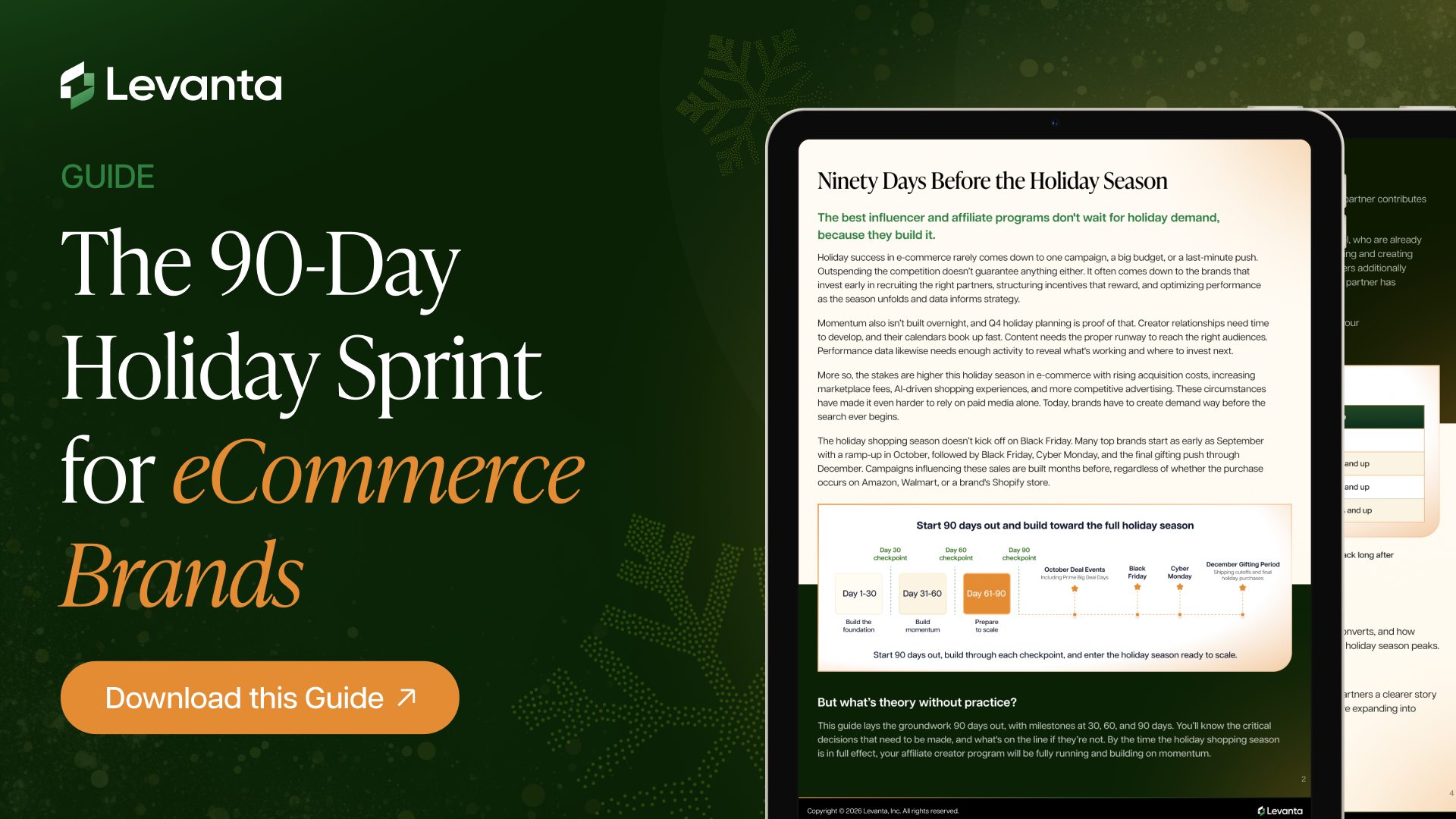
The strongest holiday programs are built over the 90 days leading up to peak shopping season. That is when brands recruit the right partners, test incentives, and build enough momentum to scale when demand arrives.
Trusted by 3,000+ eCommerce brands, Levanta created The 90-Day Holiday Sprint, a free step-by-step playbook to:
- Recruit and activate creators before their holiday calendars fill
- Build competitive commission structures without sacrificing margin
- Use Day 30, 60, and 90 checkpoints to create a program ready to scale for BFCM
Don’t wait until November to build the creator program you will wish you already had. Your 90-day countdown starts now.
📡 The discovery channel missing from your weekly report
TikTok Shop reached roughly 2% of total US online retail spend in July, up from 1.2% a year earlier, per Consumer Edge card data, putting its US business ahead of Costco's online operation and larger than Home Depot and Lowe's online businesses combined.
A meaningful share of that platform's category discovery is happening entirely outside the surfaces most reporting stacks treat as their discovery funnel.
The share number is not the interesting part. The interesting part is how many teams have a discovery dashboard that simply has no row for it.
Most reporting stacks were built around a small, stable set of discovery channels: organic search, paid search, maybe Amazon. Each addition since got bolted on separately, if it got measured at all. A channel now doing more volume than several major retailers sitting entirely outside that structure is a measurement gap, not a strategy choice anyone made.
Map what you're not measuring before you decide it doesn't matter
Pull last quarter's new-customer attribution data and check which discovery channels are represented. If TikTok Shop, or any platform-native discovery surface, appears only as "social" or "other," that's not a small channel underperforming. It's an unmeasured channel wearing a label that hides its actual size.
The test is simple: can you currently answer what share of new customer discovery happened on a surface you don't have a dedicated line for? If the honest answer is no, the dashboard is telling you a channel doesn't matter because it was never built to see it.
Build a share-of-discovery view before building a strategy for it
A strategy response to a channel you can't measure is guesswork dressed as a plan.
Before allocating budget to a new discovery surface, build the measurement layer first: a defined view tracking share of new-customer discovery across every surface where your category gets found, refreshed on the same cadence as existing channel reporting, not as a quarterly special project.
Getting a single, comparable view across search, social commerce, and AI-driven discovery surfaces without stitching five separate exports together is exactly the reconciliation problem Semrush One is built to solve. You can try free for 7 days here
Revisit the channel list quarterly, not annually
The gap TikTok Shop represents now will be a different platform in a year. A channel list reviewed annually is always a year behind whatever actually moved.
Set a standing quarterly review of which discovery surfaces exist in your category and whether your reporting has a dedicated line for each one. The review itself takes an afternoon. Not doing it costs you a channel's worth of blind spend for however long it takes someone to notice.
📈 Microsoft, X, and ChatGPT push ads deeper into AI
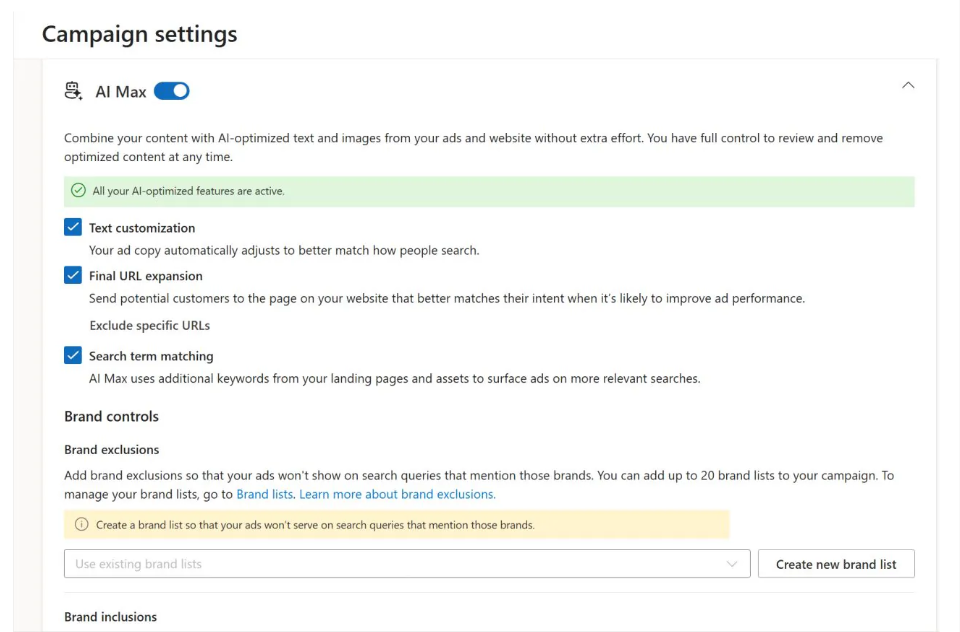
AI is moving from helping advertisers write ads to actually managing how campaigns run. Microsoft, X, and OpenAI are each opening a different path toward more automated ad buying and optimization.
The Breakdown:
Microsoft takes AI Max global - Microsoft’s AI Max is rolling out globally with broader search matching, AI-generated ad copy, and final URL expansion, while retaining brand controls, exclusions, and ad group-level settings.
X lets advertisers bring their own AI - X Ads MCP connects campaign data and analytics to MCP-compatible tools like Grok, Claude Code, or custom agents, letting advertisers analyze and refine campaigns through natural language.
ChatGPT gets automated bidding - The new Maximize results strategy automatically adjusts bids toward an advertiser’s chosen goal, aiming to generate as many results as possible from the available campaign budget.
ChatGPT adds targeting and attribution - Advertisers can separately target iOS, Android, and Web, while new one-day view-through conversions measure users who convert after seeing an ad without clicking it.
The ad dashboard is slowly becoming an interface for agents. Microsoft is automating Search, X is opening campaign data to outside AI, and ChatGPT is automating bidding itself. The advertiser increasingly sets the goal while software handles the mechanics.
🏆 Ad of the day
What Works:
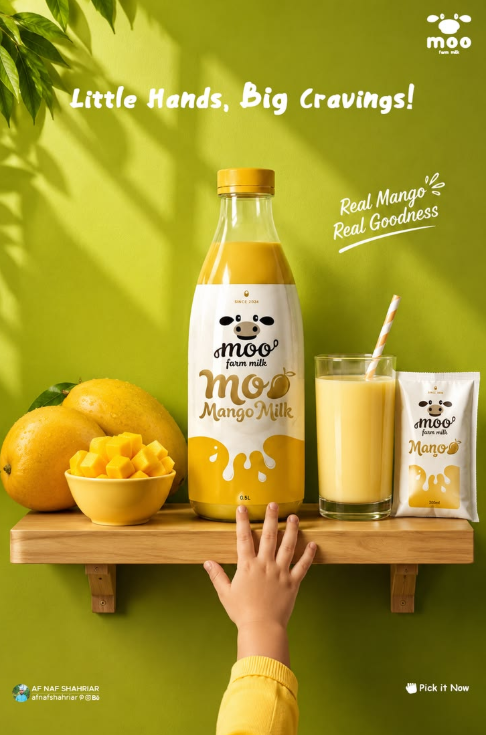
Audience Cue Lands - “Little Hands, Big Cravings” instantly signals the target buyer and consumption moment, giving parents a clear emotional hook while keeping the product positioning playful and family-friendly.
Ingredient Story Works - Fresh mangoes, diced fruit, and the filled glass make the flavor feel tangible, while “Real Mango, Real Goodness” reinforces naturalness without overloading the creative with claims.
Color Builds Appetite - The yellow-green palette creates strong sensory association with mango and freshness, while the child’s reaching hand guides attention toward the product and adds lifestyle context.
Use a hand, bite, pour, or reach to dramatize desire around the product. That small behavioral cue can make static food creative feel more immediate and emotionally persuasive.
Advertise with Us
Wanna put out your message in front of over 50,000 best marketers and decision makers?
We are concerned about everything DTC and its winning strategies. If you liked what you read, why not join the 50k+ marketers from 13k+ DTC brands who have already subscribed? Just follow this.
At ScaleUP, we care about our readers and want to provide the best possible experience. That's why we always look for ways to improve our content and connect with our audience. If you'd like to stay in touch, be sure to follow us EVERYWHERE🥰
Thanks for your support :) We'll be back again with more such content 🥳