
The FTC isn't the risk anymore
FTC may not be coming for disclosure violations but civil lawsuits might, Instagram and LinkedIn just dropped useful clues for marketers, and more!


Howdy readers 🥰
In this newsletter, you’ll find:
⚖️ The FTC isn't coming. Somebody else might be.
📈 Instagram and LinkedIn just dropped some useful clues for marketers
🏆 Ad of the day
If you’re new to ScaleUP, then a hearty welcome! You and 50k+ CEOs, CMOS, and marketers have reached the right place. Let’s get into it, shall we? Oh! Before you forget, if someone forwarded this newsletter to you, don't forget to subscribe to our newsletter so you never miss out!
Together with AirOps
What 300+ Marketing Leaders Are Changing Now
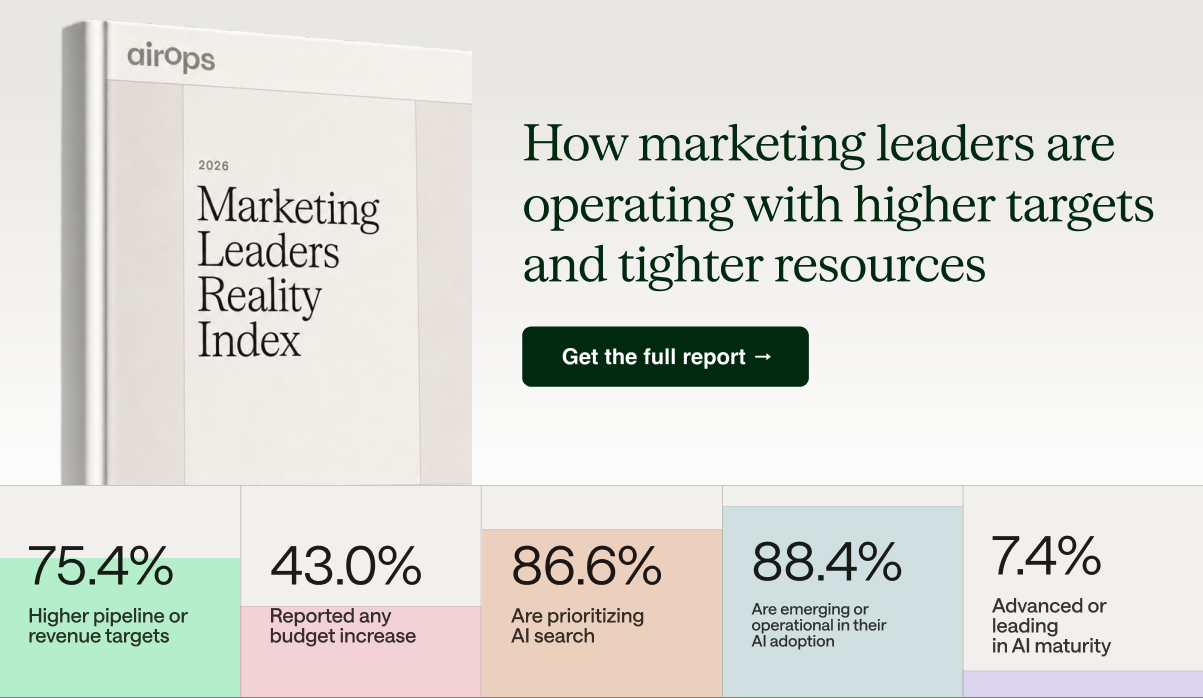
Marketing teams are increasingly inheriting revenue goals their budgets were never designed to support. When the plan breaks, marketing still carries the full commercial cost of the shortfall.
AirOps surveyed 300+ CMOs and VPs to measure exactly how widespread that pressure has become and reveal where leaders are reallocating resources as AI search rapidly changes the channel mix.
Use the report to:
- See how 71.2% of high-growth teams are changing their performance metrics to rethink what belongs on your scorecard.
- Find out where budgets are moving as 47.7% of marketing organizations cut agency spend.
- Discover what teams are funding instead of hiring, as nearly 4 in 10 with bigger budgets added no roles.
The Marketing Leaders Reality Index gives you a practical reference point for evaluating whether your operating model can support the results leadership expects.
See which moves other marketing leaders are making before they become standard practice.
Get the Marketing Leaders Reality Index.
⚖️ The FTC isn't coming. Somebody else might be.
A widely cited 2024 study found 96% of sponsored posts on a major platform lack proper disclosure, and the FTC has never actually collected a monetary penalty from an individual influencer over it.
That gap looks like good news for a brand relying on it. Current reporting is clear that it isn't: the enforcement pressure hasn't disappeared; it's moved to civil litigation instead, and civil litigation doesn't need to win every case to reshape how contracts get written. It just needs one expensive example.
Regulatory enforcement failing to materialize was never the same thing as the underlying risk going away. It just changed who's likely to bring the claim and what it costs when they do.
Check whether your creator agreements specify disclosure at all
Most standard creator agreements say something vague about complying with applicable law, which sounds like coverage and functions as nothing, since it specifies no actual format, placement, or wording for the creator to follow.
Pull your current template and look for a specific requirement: where the disclosure has to appear in a caption or video, what language satisfies it, and by when relative to posting. If the answer is a general compliance clause and nothing more specific, that's the gap a civil claim would target first.
Audit live content against the standard you'd actually want enforced
A compliance clause in a contract means nothing if nobody checks whether the content that shipped actually followed it.
Sample your currently running creator content across formats, since disclosure failures cluster in short-form video and livestreams where it has to fit inside an unscripted moment, more than in written posts where there's room to get it right. Fixing what's already live is cheaper than discovering the gap after a dispute.
Build disclosure specificity into onboarding, not just the contract
Most disclosure failures trace back to a creator genuinely not knowing the specific standard, not to deliberate evasion, which makes this a training problem as much as a legal one.
That gets harder every time the roster grows, and Q4 is when it grows fastest. A brand onboarding twenty seasonal creators in six weeks is the same brand least likely to be checking each one's first post against a disclosure standard nobody explained.
The fix is upstream. If onboarding, briefs, and usage terms all live in one place, the disclosure standard travels with every new creator automatically instead of depending on someone remembering to send it during the busiest six weeks of the year.
That's how Insense runs creator operations for Il Makiage, Quince, Huda Beauty, and Monster Energy.
Book a free strategy call to map creator availability in your niche, plus $200 toward your first campaign.
A gap in enforcement isn't a gap in risk. It's just a risk that hasn't sent its bill yet.
📈 Instagram and LinkedIn just dropped some useful clues for marketers
Instagram is explaining what helps content travel, while LinkedIn’s analysis of 50,000 deals across 850 B2B organizations suggests marketers may be entering the buying journey too late.
The Breakdown:
Instagram Rewards Fresh Originals - Originality and recency remain major ranking signals. Instagram also tests posts from smaller public creators with non-followers, expanding distribution when those early viewers respond well.
Engagement Beats Big Numbers - Mosseri recommends watching engagement rates rather than raw views or likes. He also suggests Trial Reels for experimenting with formats without relying entirely on existing followers.
B2B Buyers Start 124 Days Early - Buying groups begin researching solutions roughly 124 days before speaking with a seller, suggesting marketing needs to influence buyers well before a deal reaches the CRM.
One Decision Has Many People - Reaching 6+ contacts before a deal enters the CRM was associated with a 17-point higher win rate. Yet 76% of LinkedIn ad spend still targets director-level roles.
Instagram’s message is to keep producing fresh, original content and judge it by meaningful engagement. LinkedIn’s data points to a different shift: B2B opportunities can start months before the sales conversation and involve far more people than the person with “Director” in their title.
🎥 Ad of the Day
What Works:
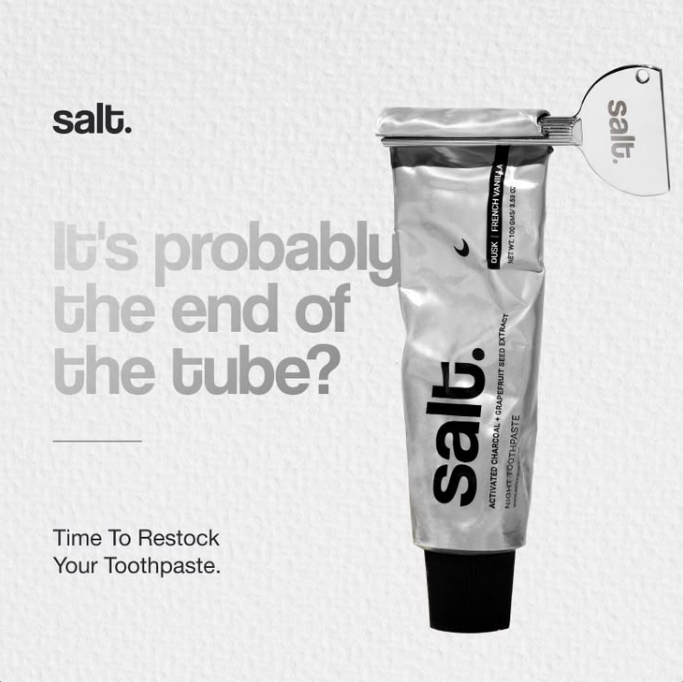
Depletion Creates Urgency - The squeezed tube instantly signals product depletion, making the restock message feel behaviorally relevant while creating a natural purchase trigger without relying on discount-led urgency.
Minimalism Builds Focus - The monochrome palette, negative space and single hero product keep cognitive load extremely low, creating clean visual hierarchy and stronger branding recall in-feed.
Copy Mirrors Behavior - “It’s probably the end of the tube?” sounds like an internal shopper thought, making the creative feel relatable while smoothly nudging the viewer toward replenishment.
Build creatives around visible depletion cues like crushed tubes, empty jars or low bottles. These signals activate replenishment intent and shorten the path to purchase.
🥳 Events
🔥 Why Creator-Handle Ads Are Outperforming Brand Creative on Meta
October 7 | 11 AM ET | 60-Minute Virtual Event
Meta Partner Manager Reyna Baker joins Billo CEO Donatas Smailys to unpack Meta’s own Partnership Ads data, while Curtis Howland brings lessons from $100M+ in managed Meta spend. See what to change in your testing and where creator-handle ads fit before your next budget goes live.
✅ Secure Your Free Spot
Can't attend the session live? Register anyway, and you’ll get the recordings in 24 hours.
Advertise with Us
Wanna put out your message in front of over 50,000 best marketers and decision makers?
We are concerned about everything DTC and its winning strategies. If you liked what you read, why not join the 50k+ marketers from 13k+ DTC brands who have already subscribed? Just follow this.
At ScaleUP, we care about our readers and want to provide the best possible experience. That's why we always look for ways to improve our content and connect with our audience. If you'd like to stay in touch, be sure to follow us EVERYWHERE🥰
Thanks for your support :) We'll be back again with more such content 🥳