
Win the queries AI asks
🧭 Searches AI runs behind your customer’s question, Meta expands AI-powered ads, updates commercial terms and adds new Reels tools, and more!


Howdy readers 🥰

In this newsletter, you’ll find:
🧭 The searches AI runs behind your customer's question
📢 Meta expands AI-powered ads, updates commercial terms and adds new reels tools
🏆 Ad of the day
If you’re new to ScaleUP, then a hearty welcome! You and 50k+ CEOs, CMOS, and marketers have reached the right place. Let’s get into it, shall we? Oh! Before you forget, if someone forwarded this newsletter to you, don't forget to subscribe to our newsletter so you never miss out!
Together with SurveyMonkey
Make the Next Decision With Real Feedback
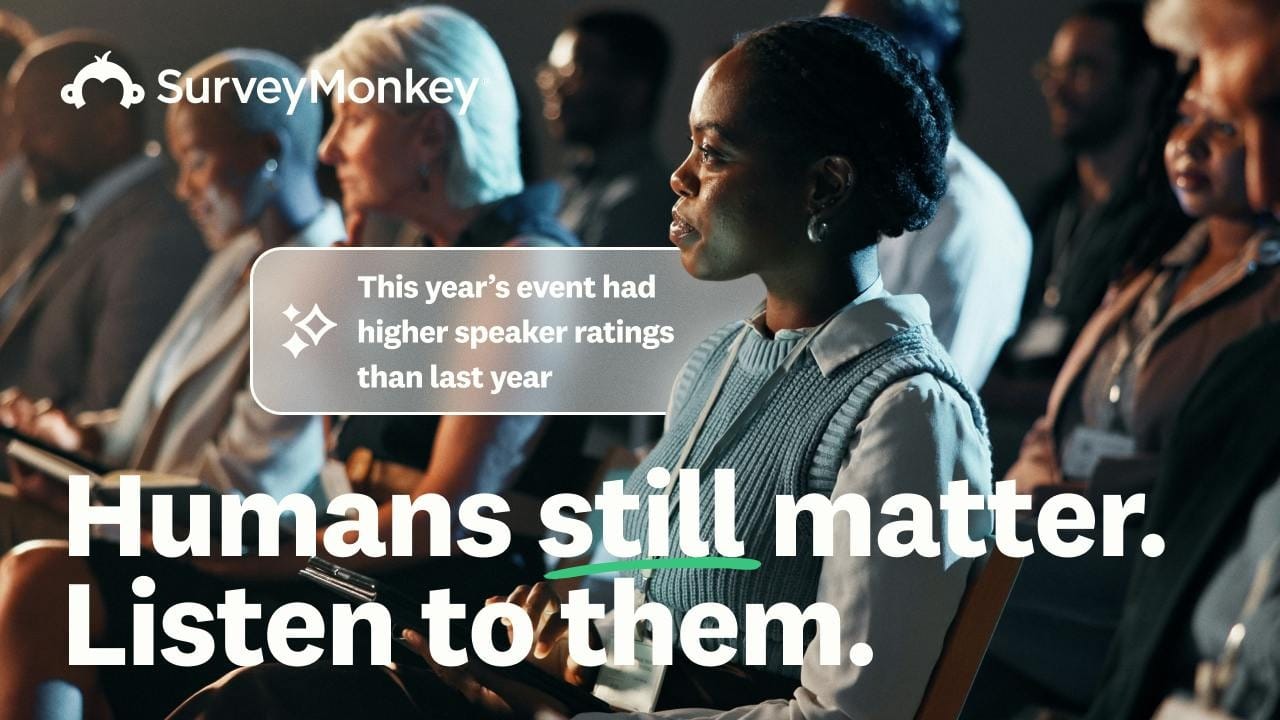
You need to know why customers aren’t buying. But commissioning research takes budget, and running it yourself adds work to a team already chasing targets.
SurveyMonkey does the research work for you. You choose what to test and who to reach. It recruits respondents through its paid panel and analyzes their answers, giving you findings to guide your next decision.
Here’s what that looks like:
- Tweezerman validated 10 product ideas with SurveyMonkey Audience, gathering consumer feedback in days to guide product launches.
- Greyhound reduced weekly customer-feedback analysis from 3 hours to 3 minutes, freeing station managers to act on the findings.
- Helix Sleep cut product-development time by 50% using survey insights. Its resulting pillow sold out in the first month.
Put your next product idea or pricing decision through customer research. You’ll have evidence to decide what needs changing before committing to the rollout.
🧭 The searches AI runs behind your customer's question
When a shopper asks an AI assistant "what are the best running shoes for flat feet," the system doesn't search that sentence alone. It breaks the question into smaller searches, often called fan-out queries: stability shoes, arch support ratings, reviews from runners with overpronation, prices under a budget.
The pages that rank for those smaller searches feed the answer.
How much the ranking position matters is striking. Kevin Indig's data, shared in a recent AirOps Growth Leader webinar, shows that ranking first for key fan-out queries earns 58% of citations, four times more than ranking tenth.
Being cited is only the start, though, and the series argues the brands that win give AI-referred buyers a reason to choose them. You can read the full takeaways here.
Step 1: List your money prompts
Write the 10 questions a buyer would ask an AI assistant right before choosing a product in your category. Use your sales team's most common questions and your top category searches as a guide.
Step 2: Break each prompt into sub-queries
For each prompt, list five to eight smaller searches it implies. A practical way to find them: run the prompt in AI assistants that show their sources, note which pages they cite, and work out what each page was ranking for.
Step 3: Map sub-queries to pages
Put every sub-query in a sheet with three columns: the page of yours that should rank for it, its current position and the page currently ranking first.
Many sub-queries won't have a matching page. Those gaps are your content plan.
Step 4: Prioritize positions two to five
Given how heavily citations concentrate at the top, moving a page from fourth to first is worth more than moving another from 20th to tenth. Start with the pages already close. That priority is my judgment, based on the citation gap Indig's data shows.
Step 5: Improve what the top result has and you don't
Compare your page with the current first result for each priority sub-query. Look for missing specifics such as measurements, test results, comparison tables or a direct answer in the opening lines.
Step 6: Recheck monthly
Track your position for each sub-query and whether AI answers to the original prompt cite your page. Position moves usually come first.
Close: Write your 10 prompts today
List the prompts, break the first one into sub-queries and check where you rank. One afternoon shows how close you are to being the page AI relies on.
📢 Meta expands AI-powered ads, updates commercial terms and adds new reels tools
Meta is introducing new product browsing and AI-generated landing page experiences across Facebook and Instagram, while updating its commercial terms and expanding video creation tools for creators.
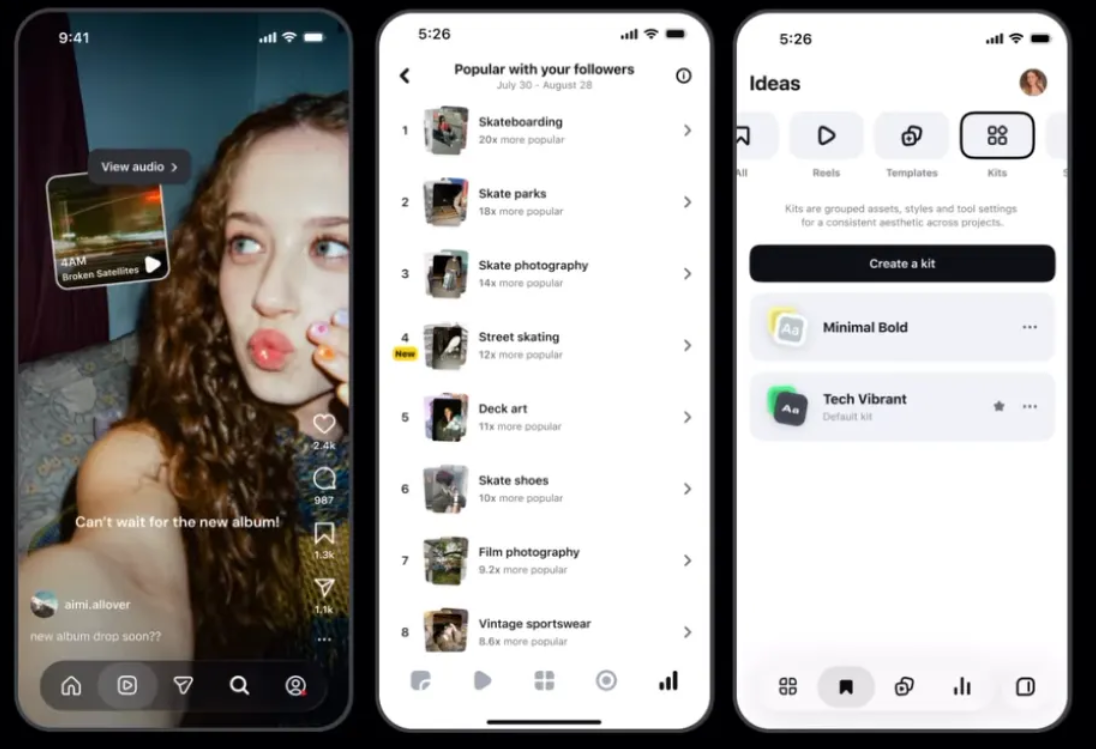
The Breakdown:
Instagram Adds Reels Creation Tools - Meta's Edits app now supports clickable audio links, audience trend insights, and reusable style kits. Instagram also introduced reference Reels for iOS creators while removing linked Reels series starting October 28.
Meta Makes In-App Product Browsing Default - Starting October 28, Meta will automatically enable personalized product browsing pages for eligible ads unless advertisers opt out. A test involving 117,000 advertisers showed an average 3% increase in conversions.
AI-Generated Landing Pages Raise Tracking Concerns - Meta is testing AI-generated landing pages on fewer than 5% of ad impressions. Because these pages operate outside advertisers' websites, standard GA4 and Meta Pixel tracking may miss user activity and create attribution gaps.
Meta's New Terms Raise AI Training Questions - From October 30, Meta's updated terms could allow AI training on business-linked website content. Meta says its crawling practices and existing protections remain unchanged.
Meta's updates are bringing more product discovery and creative activity inside its platforms, potentially giving advertisers new conversion opportunities while complicating independent measurement. Businesses should review browsing settings, verify conversion tracking, and understand the updated commercial terms before the changes take effect.
🎥 Ad of the Day
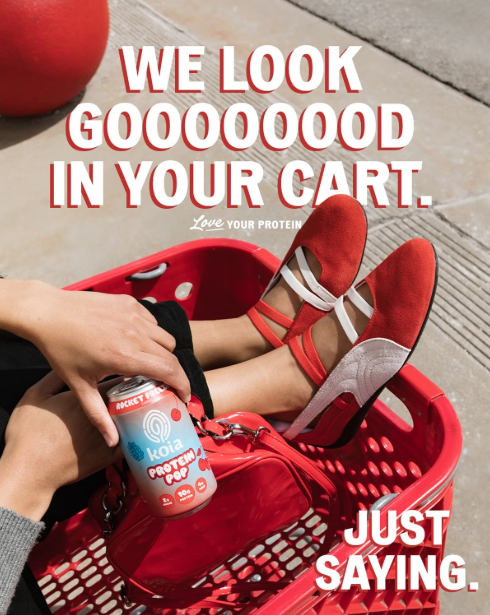
What Works:
Lifestyle Makes Protein Cool - The shopping-cart setting reframes protein as part of everyday culture, making the drink feel fashionable and impulse-friendly instead of purely functional or gym-focused.
Color Drives Recall - The dominant red palette ties shoes, cart, bag and product together, creating strong visual cohesion while helping the can stand out through contrast and repetition.
Copy Builds Personality - “We look good in your cart” gives the product a playful, confident voice, strengthening branding recall while subtly nudging shoppers toward an add-to-cart mindset.
Place your product inside a visually desirable shopping moment and make the copy about belonging there. That turns purchase intent into part of the lifestyle itself.
🥳 Events
🔥 How to Make TV Earn Its Place in Your Growth Mix
October 29 | The Glasshouse, NYC | Free In-Person Event
Forward shows how leading brands connect TV reach to measurable business outcomes, decide when to move beyond paid social, and evaluate new discovery channels. Hear directly from Reddit CEO Steve Huffman, Cody Plofker, and operators building growth strategies at scale.
Advertise with Us
Wanna put out your message in front of over 50,000 best marketers and decision makers?
We are concerned about everything DTC and its winning strategies. If you liked what you read, why not join the 50k+ marketers from 13k+ DTC brands who have already subscribed? Just follow this.
At ScaleUP, we care about our readers and want to provide the best possible experience. That's why we always look for ways to improve our content and connect with our audience. If you'd like to stay in touch, be sure to follow us EVERYWHERE🥰
Thanks for your support :) We'll be back again with more such content 🥳