
Your ad spend is inside their content
💸 Amazon auto-enrolled Sponsored Products into off-Amazon creator placements. If that creator is also your affiliate, you might be paying twice, Google opens up more ad inventory, and more!


Howdy readers 🥰
In this newsletter, you’ll find:
💸 Your ad spend might be running inside your affiliate's content
📣 Google opens up more ad inventory
🏆 Ad of the day
If you’re new to ScaleUP, then a hearty welcome! You and 50k+ CEOs, CMOS, and marketers have reached the right place. Let’s get into it, shall we? Oh! Before you forget, if someone forwarded this newsletter to you, don't forget to subscribe to our newsletter so you never miss out!
Together with Billo
Your competitor already knows their category's Q4 benchmark. Do you?
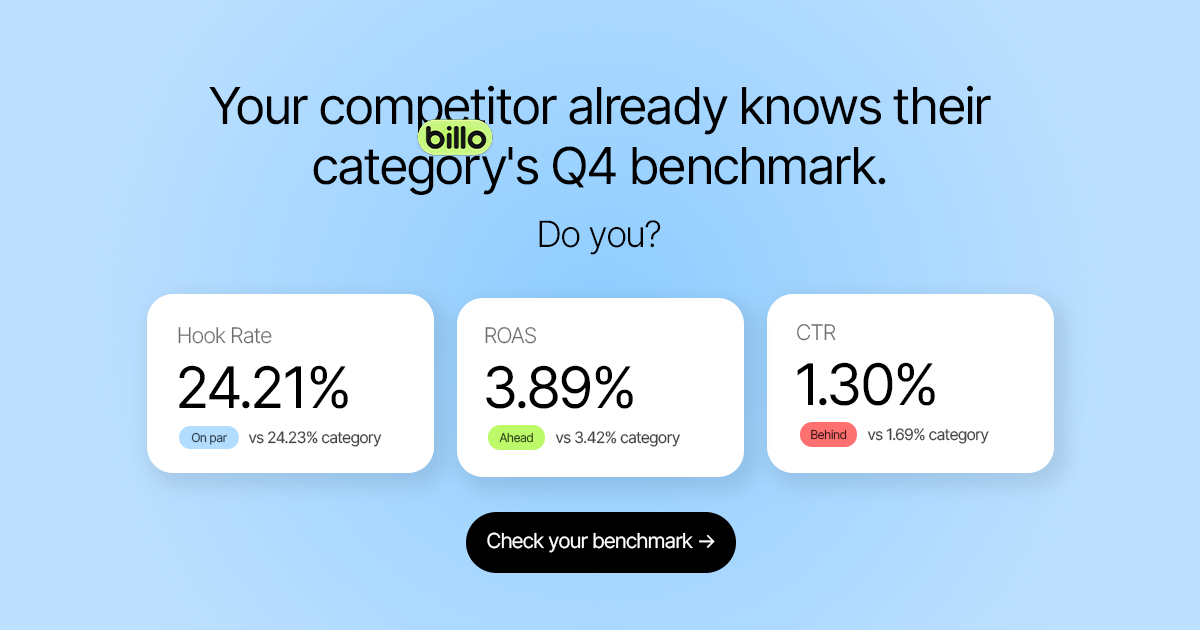
Every "Black Friday guide" treats Q4 like one big shopping event. It isn't - each category peaks on its own calendar.
- Apparel treats Black Friday as a volume play, trading ROAS for total revenue as it scales into December.
- A 30% hook rate looks strong - for Health & Beauty, that's just above average during Q4.
- Business & Industrial's best month last year was December, proving even B2B brands catch a Q4 lift.
Missed your category above? Wondering where your own numbers actually land?
Billo built a free calculator on 80,069 sales-objective Meta video ads across 14 categories from Q4 2025 - see your own category's peak month, benchmark, and fix in under a minute.
💸 Your ad spend might be running inside your affiliate's content
Amazon quietly extended Sponsored Products inventory to off-Amazon creator placements on August 10: ads now serving inside content published by creators in the Amazon Influencer Program, on reviews, buying guides, and editorial roundups living entirely off Amazon's own domain.
No opt-in screen appeared. Every eligible campaign already running under the "Increase reach" setting was automatically enrolled at its existing bids and budgets the moment the change went live.
That's a paid-media update on the surface. For a brand also running an affiliate program, it's something else: the same creator content driving affiliate commission may now also be carrying that brand's own Sponsored Products ads, layered in without anyone on the affiliate side being told.
Two different budget lines could now be crediting activity happening on the exact same page.
Check whether your own campaigns were auto-enrolled
Amazon shipped this change quietly, through a documentation update rather than an announcement most teams would have seen. Most sellers who noticed found out from a placement report, not a notification.
Pull your Sponsored Products placement data and look specifically for off-Amazon creator inventory as a line item. If any eligible campaign was running under "Increase reach," it's very likely already enrolled, spending against creator content you may not have separately vetted for brand fit.
Reconcile affiliate commission against paid placement on the same content
If a creator's content is now carrying both an affiliate link and a Sponsored Products ad you're paying for separately, a conversion on that page could be getting credited, and paid for, twice through two completely different budgets.
Cross-reference your highest-earning affiliate content against your Sponsored Products placement report for overlap. Where the same page shows up in both, that's worth a direct conversation with the creator and a real look at whether the economics of that relationship still make sense once you're paying for the same eyeballs from two directions.
Build a standing check for the next version of this
Amazon ships changes like this several times a year, off-Amazon placements first launched in 2023, a bulksheet toggle arrived earlier this year, creator placements landed in August. Each one arrives the same way: a quiet documentation update and automatic enrollment at existing settings.
Seeing which of your partners are driving traffic that's actually incremental, rather than traffic that's now double-counted against paid placements you didn't know were running, is exactly the kind of visibility Levanta's platform is built to surface. You can take the self-diagnostic to see where your program's actual attribution gaps sit.
A quiet product update on Amazon's side just became an attribution question on yours, and most programs haven't checked yet.
📣 Google opens up more ad inventory
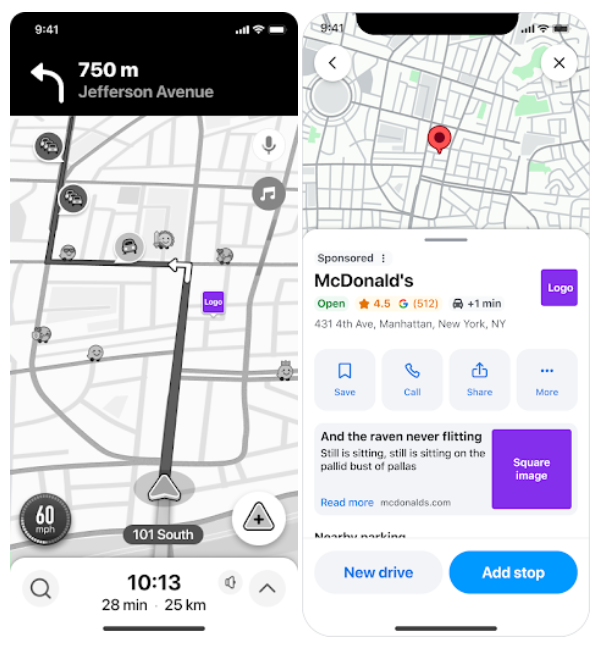
Google is widening advertiser access across three very different surfaces, giving brands new ways to reach people while they navigate, watch videos and increasingly search through AI.
The Breakdown:
Waze Ads go global - Advertisers can now reach drivers across 42 countries, including every EU market, turning navigation into a larger local advertising channel for businesses looking to drive nearby store visits.
But Waze is built for physical locations - Ads are tied to Performance Max store goals and actions like directions, visits and sales, making them particularly relevant when someone is already moving through the real world.
YouTube loosens alcohol ad restrictions - Starting October 30, eligible alcohol and alcohol-alternative brands can personalize YouTube campaigns, although age restrictions remain and markets including India, Egypt, Indonesia and Poland are excluded.
Traditional keywords enter AI Mode - Google is testing exact and phrase match ads for high-intent AI Mode searches, giving Search advertisers another route into AI results without relying exclusively on AI Max or broad match.
Google is gradually turning newer or previously restricted surfaces into more usable advertising channels. The common thread is intent: navigation, video consumption and AI search are becoming additional moments where advertisers can reach people closer to an action.
🏆 Ad of the day
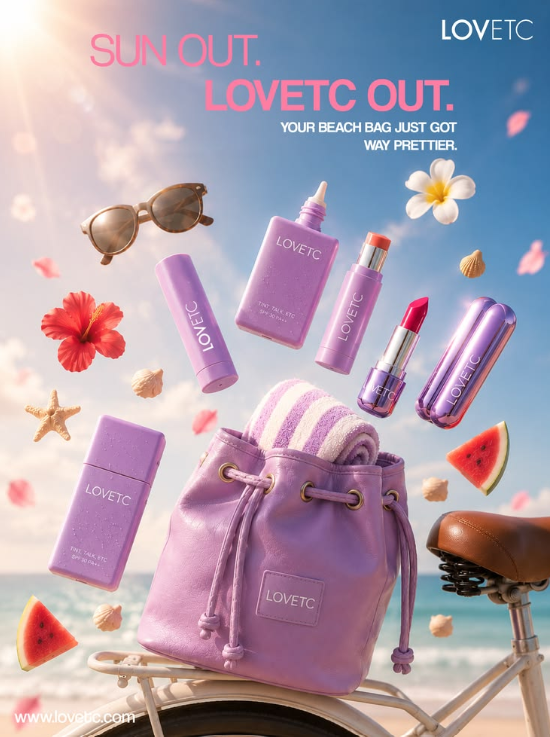
What Works:
Seasonal World Hooks - The beach setting, floating summer objects and bright sky create an immediate seasonal pattern interrupt, making the products feel naturally tied to warm-weather routines and occasions.
Color Builds Cohesion - The consistent lavender packaging and matching beach bag create strong branding recall, while the pink headline adds contrast without breaking the premium, playful visual system.
Range Feels Complete - Showing multiple SKUs together turns the ad into a full beauty wardrobe, helping shoppers understand breadth while the “beach bag” framing gives every product a shared use case.
Group several products around one seasonal moment, then design the entire scene around that occasion. It makes a broad range feel curated instead of randomly assembled.
🥳Events
🔥 How Stripe and OpenAI Built Marketing Teams That Earned More Resources
September 17 | Virtual Event
Krithika Shankarraman, the first marketing hire at Stripe and OpenAI, joins AirOps CMO Christy Roach to unpack findings from 300+ marketing leaders. Learn how high-growth teams make stronger budget asks, protect the work that moves pipeline, and design leaner teams with clearer ownership and more leverage.
Advertise with Us
Wanna put out your message in front of over 50,000 best marketers and decision makers?
We are concerned about everything DTC and its winning strategies. If you liked what you read, why not join the 50k+ marketers from 13k+ DTC brands who have already subscribed? Just follow this.
At ScaleUP, we care about our readers and want to provide the best possible experience. That's why we always look for ways to improve our content and connect with our audience. If you'd like to stay in touch, be sure to follow us EVERYWHERE🥰
Thanks for your support :) We'll be back again with more such content 🥳