
Is your site TV-ready
🏟️ Plus, how to build a TV-only landing path before Q4 flights start, Google says fake bylines are deception and recovery can take months, and more!


Howdy readers 🥰
In this newsletter, you’ll find:
🏟️ Live TV sends shoppers all at once. Make sure your site can take it
🔎 Google is getting clearer about what it trusts and how long seo takes
🏆 Ad of the day
If you’re new to ScaleUP, then a hearty welcome! You and 50k+ CEOs, CMOS, and marketers have reached the right place. Let’s get into it, shall we? Oh! Before you forget, if someone forwarded this newsletter to you, don't forget to subscribe to our newsletter so you never miss out!
Together with Billo
Get Meta’s Take Before Your Next Ad Test
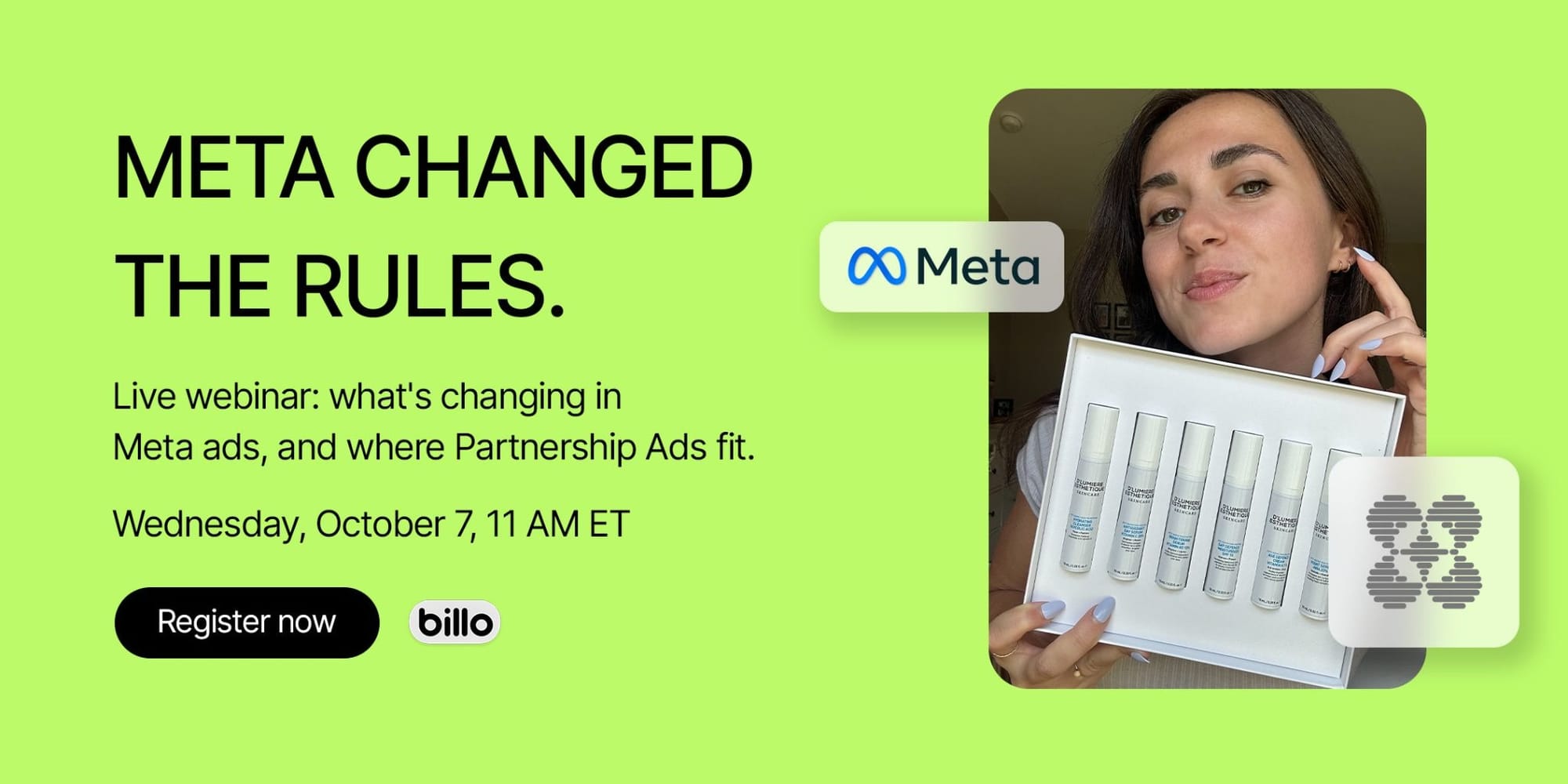
Everyone has advice on what works in Meta ads. You’re the one paying when it doesn’t.
Get closer to the source before another campaign turns someone else’s theory into your expense.
On October 7 at 11:00 AM ET, Billo CEO Donatas Smailys hosts a free, 60-minute live session featuring Reyna Baker, Partner Manager at Meta.
You’ll get direct access to:
- Meta’s own data explaining why creator-handle ads are outperforming brand creative, so you can assess what Partnership Ads could bring to your account.
- Creative testing lessons from Curtis Howland, VP of Marketing at Misfit Marketing, who has managed $100M+ in Meta spend.
- Examples of how a marketing lead and an agency founder are scaling creator ads, giving you approaches to adapt to your campaigns.
You’ll leave knowing what to test with creator ads next, backed by Meta’s data and lessons from teams already running them.
Can't attend the session live? Register anyway, and you’ll get the recordings in 24 hours.
🏟️ Live TV sends shoppers all at once. Make sure your site can take it
On October 2, the co-CEO of a leading streaming service said growth is slower than he'd like, with viewing up just 2% in the first half of 2026. His plan to speed it up leans on live programming and NFL games.
More live events on streaming means more TV that behaves like old-fashioned linear: big audiences watching the same break at the same minute. For advertisers, every spot becomes a traffic surge, and your site decides whether it turns into orders.
Get the landing side ready before Q4 flights start.
Build a TV-only landing path
Viewers who reach your site from a TV spot arrive with one idea in their head: the product they just saw. Don't send them to a homepage.
- Create one landing page per TV spot, showing the exact product and offer from the ad.
- Give it a short, easy-to-type address, such as yourbrand.com/tv, and put it on screen for at least five seconds.
- Make the page load fast on a phone, since I judge many viewers will reach for one.
- Remove pop-ups and email gates for this traffic.
A mattress brand airing a spot about cooling fabric would land viewers on that mattress, with the same headline and price as the ad.
Which spots deserve their own page depends on which ones actually move visits and orders. Tatari plans, buys, and measures streaming, linear, and online video on one platform through direct supply, tying results to actual conversions instead of each vendor's own report. Vuori, Fiverr and Nutrafol run their TV that way, self-serve or full-service at nine-figure spend. You can book the demo here.
Run a surge rehearsal
A few days before your first live break, ask your developer or platform to run a load test at several times your normal peak traffic.
Then check the boring parts:
- Do discount codes from the ad apply at checkout?
- Does inventory for the featured product cover a spike?
- Are support chat and email staffed during the broadcast?
Catch the visitors who don't buy
Many surge visitors leave without ordering, so plan the follow-up before the spot airs.
If they browsed the featured product, retarget them within 24 hours with the same creative they saw on TV.
If they bounced in under ten seconds, check what they saw first, since the page may not have matched the ad.
If they left an email, send one plain message the next morning that repeats the offer. Set up the TV landing page this week, then book the load test.
🔎 Google is getting clearer about what it trusts and how long seo takes
Two Google Search updates give publishers clearer guidance on fake authorship and realistic timelines for crawling, indexing, and recovering after major SEO changes.
The Breakdown:
Fake Authors Are Deception - Google now explicitly warns against AI-generated headshots, made-up names, and false credentials used to make content appear written by real experts. Its guidance calls this a signal of a low-quality page.
Bylines Aren’t a Ranking Hack - Google still says simply adding an author byline doesn’t improve rankings. The issue is whether author information is genuine, not whether every page has an expert-looking profile.
Some SEO Changes Move Fast - A new URL typically takes around 20 hours to discover, while title and snippet changes can appear within 1–2 days. Canonical changes usually take 1–3 weeks.
Big Changes Need Months - Site moves typically take 1–3 months, while recovery following a core update can take 3–6 months. Slow cases can stretch from six months to over a year.
Google’s message is straightforward: don’t manufacture expertise, and don’t expect every SEO fix to show results immediately. Small changes may appear within days, while site migrations and core update recoveries can legitimately take months.
🏆 Ad of the day
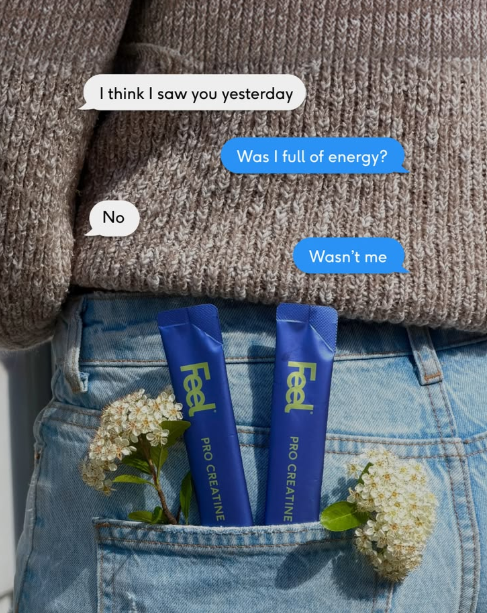
What Works:
Conversation Stops Scroll - The text-message format feels instantly native and familiar, creating a strong pattern interrupt while turning the energy benefit into a playful exchange instead of a standard claim.
Benefit Feels Personal - “Was I full of energy?” makes the product promise feel identity-driven, helping shoppers associate the supplement with how they want to feel throughout the day.
Placement Builds Habit - Keeping the creatine sticks visibly tucked into a jeans pocket signals portability and routine, making the product feel easy to carry, remember and use consistently.
Rewrite a functional benefit as a text exchange or social interaction. It lowers cognitive load, feels more native in the feed, and makes the product promise easier to remember.
🥳 Events
🔥 Why Google May Be Getting Credit for Customers AI Helped Win
October 15 | Virtual Event
A buyer can discover your brand in AI, convert through Google, and leave your attribution report telling the wrong story. Matt Hammel and Bain’s Zak Prauer show how to evaluate recommendation influence, spot what paid-channel metrics miss, and make a stronger case for AI search investment.
Can't attend the session live? Register anyway, and you’ll get the recordings in 24 hours.
🔥 How Top Brands Measure, Fund, and Scale Creator Marketing
October 21 | Online | Free Festival
Return on Influence Festival ’26 brings together teams from Adobe, Edelman, ŌURA, Ogilvy, and more to unpack how creator programs actually run. Learn how they measure ROI, justify budget, structure partnerships, and scale from 5 to 5,000 creators without adding chaos.
Can't attend every session live? Register anyway, and you’ll get the recordings in 24 hours.
Advertise with Us
Wanna put out your message in front of over 50,000 best marketers and decision makers?
We are concerned about everything DTC and its winning strategies. If you liked what you read, why not join the 50k+ marketers from 13k+ DTC brands who have already subscribed? Just follow this.
At ScaleUP, we care about our readers and want to provide the best possible experience. That's why we always look for ways to improve our content and connect with our audience. If you'd like to stay in touch, be sure to follow us EVERYWHERE🥰
Thanks for your support :) We'll be back again with more such content 🥳