
The Friday report went wrong
📑 Why an AI report said revenue rose 18% when the client’s dashboard said 11%, Google Ads adds new bidding modes for first-time and loyal customers, and more!!


Howdy readers 🥰

In this newsletter, you’ll find:
📑 How a client report built from pasted exports went wrong, and the workflow that fixes it
📢 Google Ads expands Pmax bidding controls and automates creative asset selection
🏆 Ad of the day
If you’re new to ScaleUP, then a hearty welcome! You and 50k+ CEOs, CMOS, and marketers have reached the right place. Let’s get into it, shall we? Oh! Before you forget, if someone forwarded this newsletter to you, don't forget to subscribe to our newsletter so you never miss out!
Together with Insense
Your ad account doesn’t need UGC fast. It needs content every week.
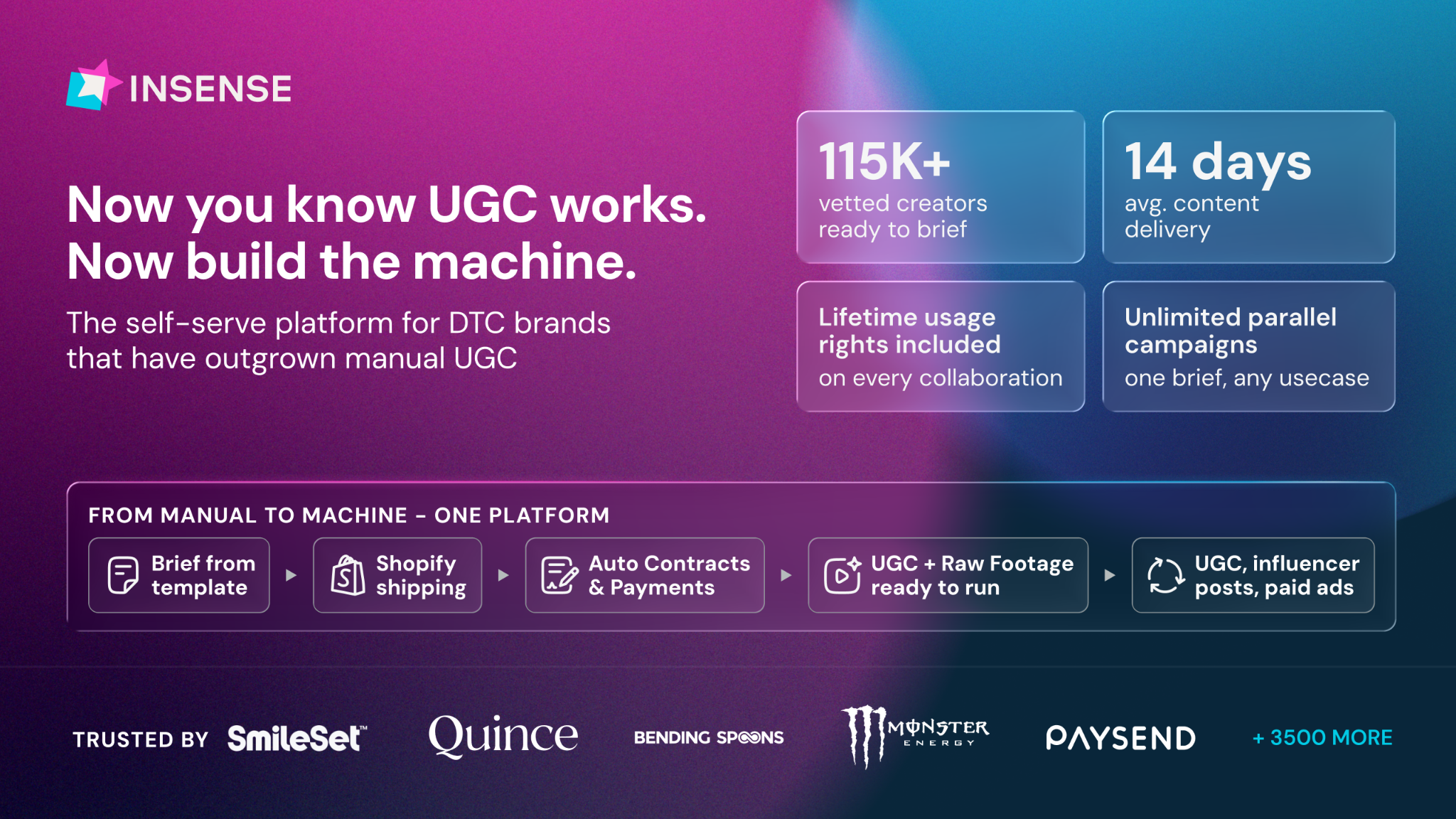
Most brands stall between batches, when the last round of creative is spent and the next one isn’t ready.
Since Meta’s Andromeda update, the algorithm rewards new concepts and new faces. A batch of 16 videos exhausts in weeks, and then it’s another round of briefs, outreach, and chasing.
Insense turns creator content into a monthly flow:
- Brief once, then rehire the creators whose ads performed
- Get 20+ raw clips per creator to cut into new hooks and angles
- Build a roster of vetted creators you can book every month
- Keep lifetime usage rights on everything
Book a free strategy call by November 6th and get $200 toward your first campaign.
P.S. Q5 rewards brands that keep fresh creative coming after the Black Friday rush. Go in with a cadence, not a single shoot.
📑 How a client report built from pasted exports went wrong, and the workflow that fixes it
It's 4 p.m. on a Friday. Priya, an account manager at a growth agency, has a monthly report due for an ecommerce client by Monday.
She exports deals from the CRM, campaign results from the ad account, and a sheet of email performance. She pastes all three into an AI assistant and asks for a summary.
The draft looks great. It says revenue from returning customers rose 18%.
On Monday, the client's head of growth replies within ten minutes. Their own dashboard shows 11%.
What went wrong
The AI did its job with the context it had.
The deal export had been filtered to "closed this month," which excluded orders still marked pending. The email sheet used a different date range. And the assistant had no way to know either, because it only saw what Priya pasted.
Every copy-and-paste step was a chance for context to drift.
The workflow Priya uses now
1. Ask the source directly. Connect the AI assistant to the CRM, so it reads the same records the client sees. The question changes from "summarize these files" to "how did returning-customer revenue change this month for this account?"
2. Name the definitions. Before asking, agree with the client which fields define "returning customer" and "closed revenue." Write them into the prompt every month.
3. Check one number by hand. Pick the headline figure and confirm it in the CRM before the report goes out.
4. Log changes in the CRM. When the client approves the report, ask the assistant to add a note to the account record with the key figures and date.
Where HubSpot comes in
This is the problem HubSpot's November 5 live webinar tackles: AI tools that only know what you paste into them. The product team will show how HubSpot connects with Claude, ChatGPT, and other assistants, so answers draw on real business context, and how teams ask questions, act, and update the CRM without leaving the conversation.
HubSpot calls itself the number one CRM connector in Claude and ChatGPT. The session also covers its headless product strategy and built-in governance, with an AMA at the end. You can secure your webinar spot and join HubSpot's product team for an AMA. Registrants who can't attend get the recordings within 24 hours.
What Priya tracks now
- Report corrections requested by clients each month
- Time from data pull to sent report
- Figures checked by hand before sending
Your first step
Pick your next client report and list every export it uses. Each one is a place where context can drift.
📢 Google Ads expands Pmax bidding controls and automates creative asset selection
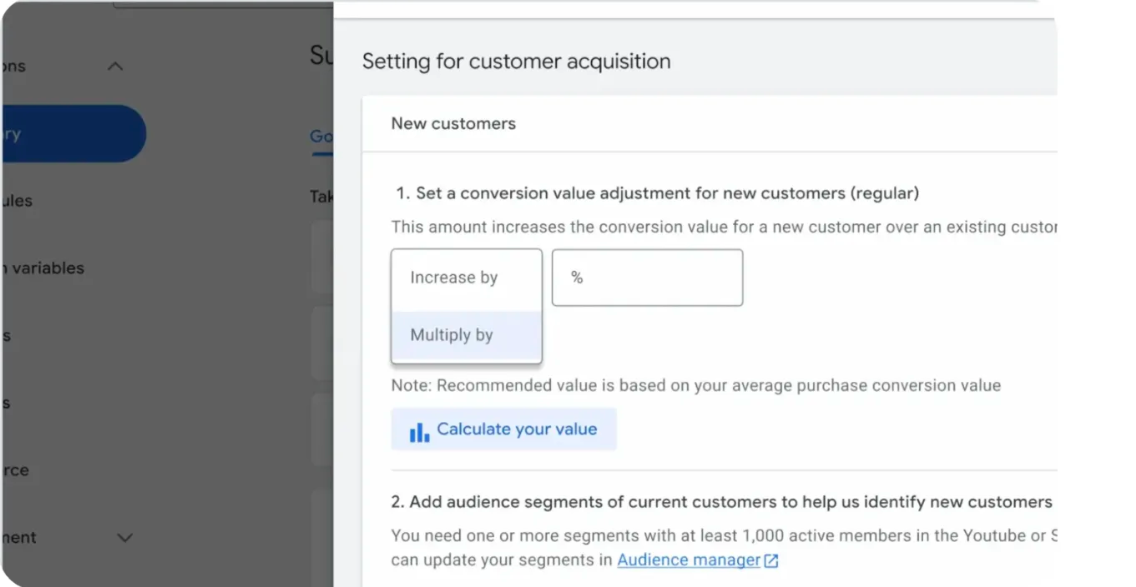
Google Ads is introducing new customer lifecycle bidding options across Performance Max, Search, and Shopping campaigns, while automatically sourcing videos and landing page images for eligible PMax campaigns.
The Breakdown:
Google Introduces High-Value Customer Bidding - Shopping campaigns are gaining New Customer High Value Mode, allowing advertisers to bid more aggressively for first-time customers predicted to generate higher spending.
New Retention Modes Target Existing Customers - PMax, Search and Shopping campaigns are getting Re-engagement, Loyalty and Retention Only modes, enabling advertisers to adjust bidding for lapsed customers, loyalty members and selected customer segments.
Percentage-Based Bid Boosts Expand - Advertisers can now apply percentage-based bid boosts across Search, Shopping, PMax and Demand Gen, allowing adjustments to scale with purchase value rather than relying on fixed amounts.
PMax Automatically Sources Videos and Images - Google is making sourced videos opt-out, while landing page image sourcing becomes enabled by default for all new PMax campaigns starting December 4, even when account-level dynamic images are disabled.
Google's updates give advertisers more control over customer acquisition and retention bidding while increasing automation in creative selection. Advertisers will need accurate customer segmentation data and should review PMax asset optimization settings to prevent unauthorized or unsuitable images and videos from appearing in campaigns.
🎥 Ad of the Day
What Works:
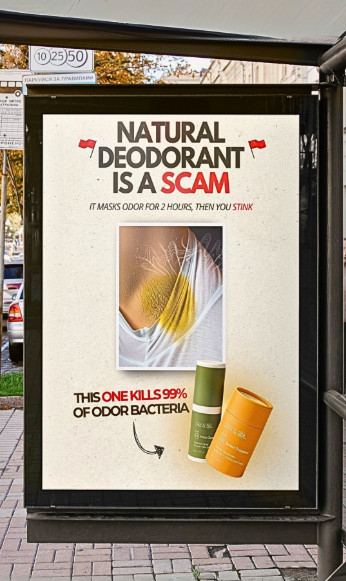
Contrarian Hook Grabs - “Natural deodorant is a scam” creates an immediate pattern interrupt and curiosity, forcing attention while positioning the product as the corrective alternative to a familiar category belief.
Problem Feels Vivid - The sweat-stained visual makes odor failure tangible and uncomfortable, increasing emotional salience while the “2 hours, then you stink” line sharpens the pain point.
Proof Closes Gap - “Kills 99% of odor bacteria” gives the alternative a concrete mechanism, helping the product feel more credible and conversion-ready after the aggressive anti-category hook.
Challenge a common category belief, dramatize the failure visually, then follow with one measurable mechanism. That structure can create strong thumb-stop power without relying on discounts.
🥳 Events
🔥 Where to Put Your Next Growth Dollar Beyond Meta
October 29 | The Glasshouse, NYC | Free In-Person Event
Hear how Reddit CEO Steve Huffman thinks about discovery, how Cody Plofker helped scale Jones Road Beauty to nine figures, and how brands like Liquid I.V. and MANSCAPED use TV to drive measurable revenue. Bring your hardest acquisition question and leave with a sharper channel plan.
Advertise with Us
Wanna put out your message in front of over 50,000 best marketers and decision makers?
We are concerned about everything DTC and its winning strategies. If you liked what you read, why not join the 50k+ marketers from 13k+ DTC brands who have already subscribed? Just follow this.
At ScaleUP, we care about our readers and want to provide the best possible experience. That's why we always look for ways to improve our content and connect with our audience. If you'd like to stay in touch, be sure to follow us EVERYWHERE🥰
Thanks for your support :) We'll be back again with more such content 🥳